
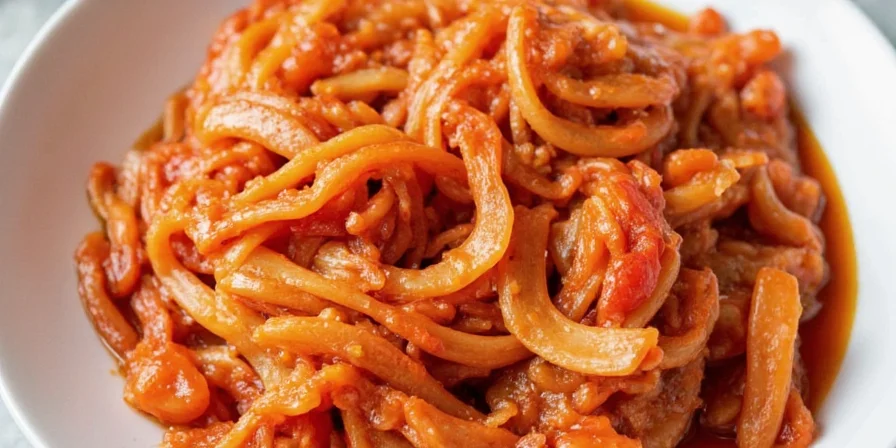
From Fridge to Fame: The Simple.Kimchi Recipe That’ll Spice Up Your Life (Without Setting Off Your Smoke Alarm)
Welcome to the wild, wonderful world of Global Spice Traditions, where flavors collide, cultures commingle, and your taste buds throw a party in your mouth. Today, we’re diving headfirst into one of the most iconic spicy masterpieces on the planet — Kimchi.
But not just any kimchi — we’re making it simple. Because let’s face it, not all of us have time to ferment our dinner for a week or spend hours peeling a hundred napa cabbage leaves. So whether you’re a seasoned spice pro or a curious newbie, this simple.kimchi recipe is about to become your new best friend.
Table of Contents
- Why Kimchi Matters (And Why You Should Care)
- The Spice Factor: How Kimchi Became a Global Sensation
- Your Shopping List: What You Need for This Simple.Kimchi Recipe
- Step-by-Step: Making Kimchi Without Losing Your Mind
- Fermentation FAQ: Everything You Were Too Embarrassed to Ask
- Kimchi in the Wild: Creative Ways to Use It Beyond Rice Bowls
- Pro Tips from a Fermentation Fanatic
- Conclusion: You Just Became the Kimchi Whisperer
Why Kimchi Matters (And Why You Should Care)
Kimchi isn’t just a side dish. It’s a cultural icon, a probiotic powerhouse, and a flavor explosion rolled into one crunchy, spicy, fermented package.
Born in Korea centuries ago, kimchi started as a way to preserve vegetables during harsh winters. Fast forward to today, and it’s everywhere — from fine dining restaurants in New York to college dorm rooms with questionable refrigerators. And with good reason: it’s healthy, it’s versatile, and it tastes like happiness.
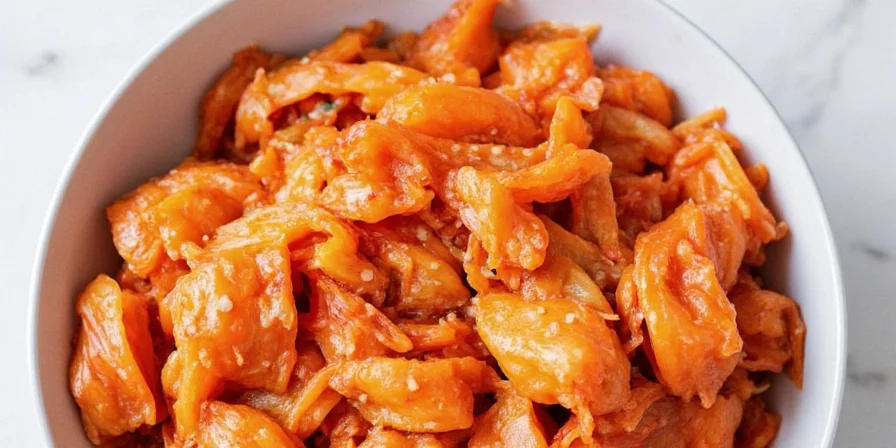
The Spice Factor: How Kimchi Became a Global Sensation
Korean cuisine has been steadily gaining popularity over the past two decades, and kimchi is at the heart of that wave. But what makes kimchi stand out among the global spice lineup?
| Spice Culture | Dominant Spice | Fermented Element | Flavor Profile |
|---|---|---|---|
| Mexican | Chili Peppers | No | Smoky, Earthy, Spicy |
| Indian | Curry Blends | Rarely | Warm, Complex, Aromatic |
| Korean | Red Chili Powder (Gochugaru) | Yes! | Spicy, Salty, Funky, Bright |
| Middle Eastern | Cumin, Sumac | Sometimes | Tangy, Herbaceous, Earthy |
As you can see, Korean cuisine brings something unique to the table — especially when it comes to fermentation. And yes, it gets funky. In the best possible way.
Your Shopping List: What You Need for This Simple.Kimchi Recipe
Let’s keep it real — you don’t need a full pantry of rare spices to make killer kimchi. Here’s everything you need to get started:
- Napa cabbage (the star of the show)
- Sea salt or kosher salt (no iodized — trust me)
- Gochugaru (Korean red chili powder — find it at Asian markets or online)
- Garlic, ginger, and scallions (because flavor!)
- Fish sauce (optional but recommended for umami depth)
- Sugar or honey (just a touch to balance things out)
- Carrots (for crunch and color)
- Daikon radish (optional, but adds great texture)
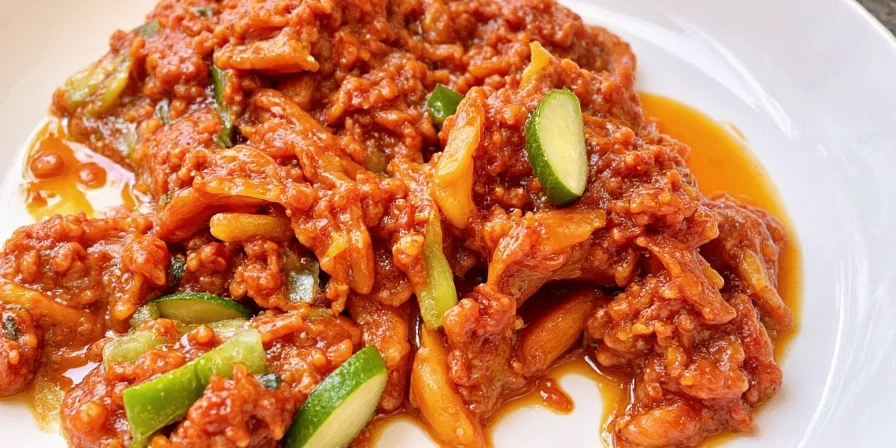
Step-by-Step: Making Kimchi Without Losing Your Mind
Ready to dive into your first batch? Let’s go through it together. No pressure, no stress — just crisp cabbage, fiery spice, and a little bit of magic.
- Cut & Salt: Chop your napa cabbage into bite-sized pieces. Layer it in a large bowl and sprinkle generously with salt. Let it sit for 1–2 hours, tossing occasionally.
- Rinse & Drain: Rinse the cabbage under cold water a few times and drain well. Don’t skip draining — soggy kimchi is sad kimchi.
- Make the Paste: In a separate bowl, mix gochugaru, grated garlic, ginger, fish sauce, sugar, and a splash of water until it forms a thick paste. Add shredded carrots and daikon if using.
- Massage the Cabbage: Toss the cabbage with the paste until every leaf is fully coated. Yes, this is messy — wear gloves or embrace the spice-induced tingles.
- Pack & Wait: Pack the kimchi tightly into a clean glass jar. Leave an inch of space at the top. Cover and let it sit at room temperature for 1–3 days, then move to the fridge for long-term storage.
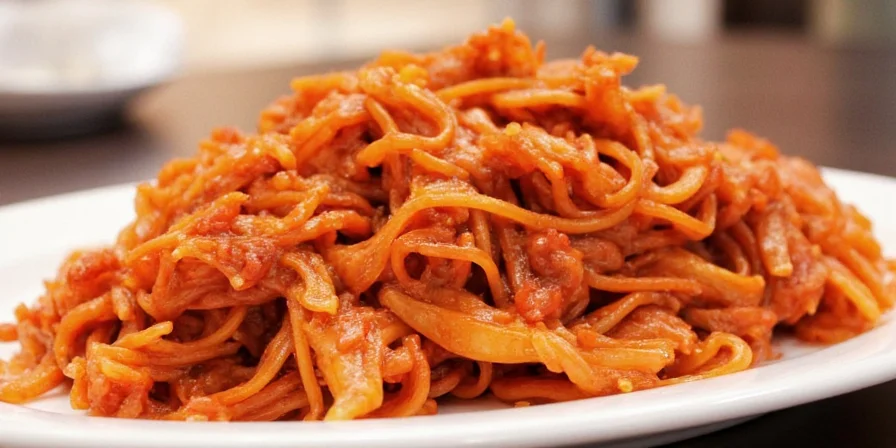
Fermentation FAQ: Everything You Were Too Embarrassed to Ask
You’ve got questions. I’ve got answers. Let’s clear up some common confusion around fermentation and your homemade kimchi.
- “My kimchi smells weird — did I kill it?” Fermented foods often smell... strong. If it smells like sour funk and not rotten eggs or sewage, you’re probably fine.
- “How do I know when it’s done fermenting?” Taste it! When it hits that perfect tangy, spicy, umami-rich note — you’re ready.
- “Can I eat it right away?” Of course! Some folks love their kimchi fresh, others wait for the fermentation kick. Both are valid.
- “What if it gets bubbly or expands?” That means it’s alive! Just loosen the lid slightly once a day to release pressure if fermenting at room temperature.
- “Do I have to use fish sauce?” Nope! You can substitute with soy sauce or even vegan fish sauce for a vegetarian-friendly version.

Kimchi in the Wild: Creative Ways to Use It Beyond Rice Bowls
Kimchi isn’t just for serving next to bibimbap — it’s a culinary chameleon. Try these unexpected ways to enjoy your homemade creation:
- Kimchi Queso: Stir chopped kimchi into melted cheese for a spicy, fermented twist on a classic dip.
- Kimchi Mac ‘n’ Cheese: Add a spoonful to your béchamel for a bold upgrade.
- Kimchi Fried Rice: The ultimate hangover cure and lazy Sunday lunch combo.
- Kimchi Pizza: Swap out pepperoni for kimchi and add mozzarella and gochujang drizzle for extra heat.
- Kimchi Carbonara: Okay, maybe not traditional — but it sounds delicious. Someone try this and report back.
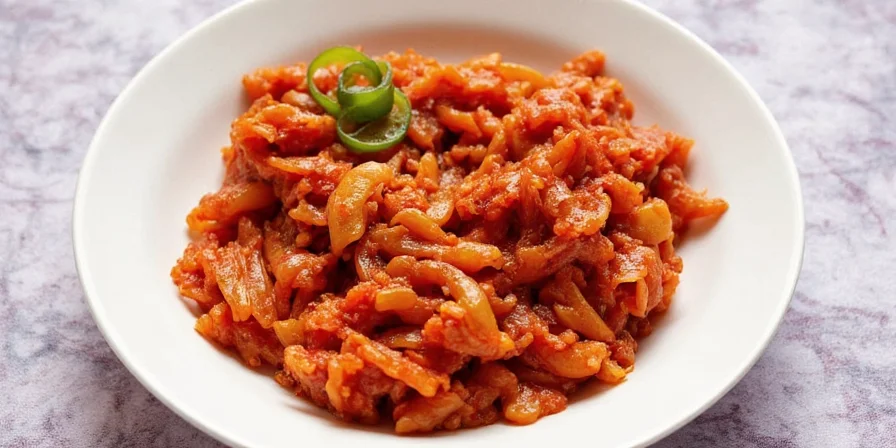
Pro Tips from a Fermentation Fanatic
Want to take your kimchi game from “meh” to “magnificent”? Here are a few insider tips:
- Use gloves! Gochugaru stains like nobody’s business. Trust me, you don’t want chili fingerprints on your phone for a week.
- Go slow on the spice. Start with less chili powder — you can always add more later, but you can’t take it out.
- Jars are your friends. Mason jars work perfectly for small batches and easy fridge storage.
- Label your kimchi. Note the date and ingredients used — helpful for future reference and bragging rights.
- Experiment! Try different veggies like cucumber, zucchini, or even green onions instead of cabbage.
Conclusion: You Just Became the Kimchi Whisperer
There you have it — a simple.kimchi recipe that doesn’t sacrifice flavor for ease. Whether you're impressing guests, spicing up your daily meals, or just geeking out over fermentation science, this recipe gives you the flexibility to make kimchi your own.
Remember, kimchi is more than just cabbage and chili — it’s tradition, transformation, and a tiny bit of alchemy. With each batch, you’re joining a global community of spice lovers who celebrate culture through flavor.
Now go forth, spice warrior. May your kimchi be crisp, your fridge smell amazing, and your tastiest experiments be ever so slightly messy.





 浙公网安备
33010002000092号
浙公网安备
33010002000092号 浙B2-20120091-4