
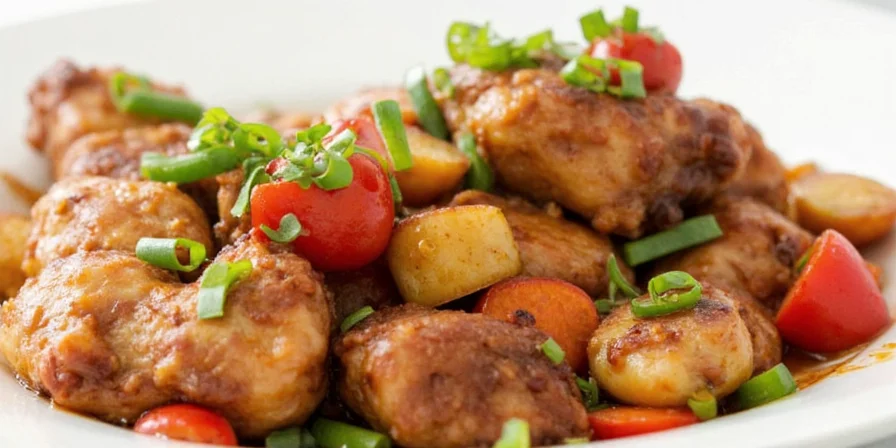
Sweet, Savory & Sizzling: A Global Spice Adventure with Honey Soy Glazed Chicken
What happens when you take one of the world’s most beloved flavor duos—honey and soy sauce—and give it a global spice twist? Magic. Pure, sticky, savory-sweet magic. Enter the iconic honey soy glazed chicken, a dish that transcends borders and brings together the best of East, West, and everywhere in between.
In this blog post, we’ll explore the origins, variations, and spice-enhanced upgrades to this crowd-pleasing classic. Whether you're a seasoned chef or a curious kitchen adventurer, you’ll find something new to love (and eat).
Table of Contents
- A Brief History: How Honey Soy Chicken Went Global
- The Spice Breakdown: What Makes It Sing?
- Pro Tips for Perfecting Your Glaze
- Global Twists: Spice Variations Around the World
- Spice Comparison Table
- Final Thoughts: Sweet, Savory, and Beyond Borders
A Brief History: How Honey Soy Chicken Went Global
The roots of honey soy glazed chicken lie deep in **East Asian cuisine**, particularly in Chinese and Japanese cooking traditions. While sweet-and-savory combinations are common in many culinary cultures, the rise of honey soy chicken as a global staple can largely be attributed to:
- Chinese-American restaurants popularizing dishes like General Tso’s Chicken and Orange Chicken;
- Japanese teriyaki culture, where soy sauce and sweeteners come together beautifully;
- And later, its inclusion in mainstream grocery stores and meal kits across North America and Europe.
Today, you can find honey soy glazed chicken on menus from New York to Nairobi, often jazzed up with regional spices and twists. And that’s where the fun begins!
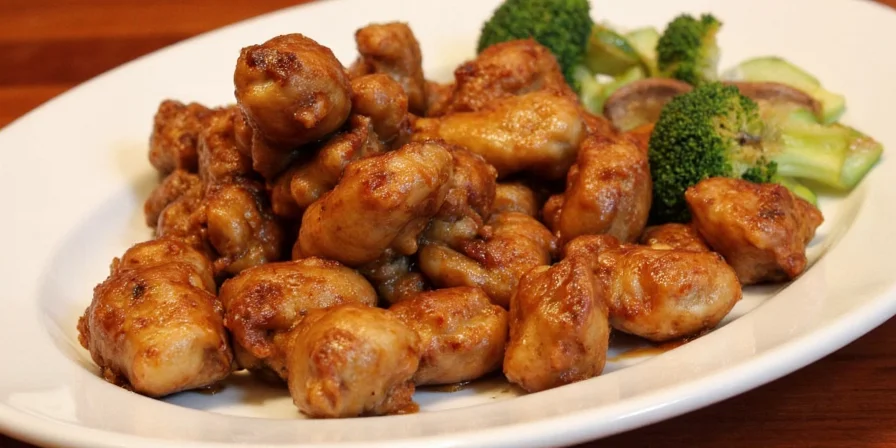
The Spice Breakdown: What Makes It Sing?
Honey soy glazed chicken might seem simple, but it’s all about balance—and that balance comes from a smart use of spices and aromatics. Let’s break down the usual suspects:
- Ginger: Adds warmth and brightness. Freshly grated is best.
- Garlic: Brings depth and umami. Minced finely for even distribution.
- Five-spice powder: A nod to traditional Chinese blends. Can add complexity if used sparingly.
- Chili flakes or Sriracha: For heat lovers. A little goes a long way.
- Black pepper: Often overlooked, but enhances overall flavor.
Some modern recipes also include ingredients like lemongrass, star anise, or even smoked paprika to add unique flair. Let's dig deeper into how these spices play well together.
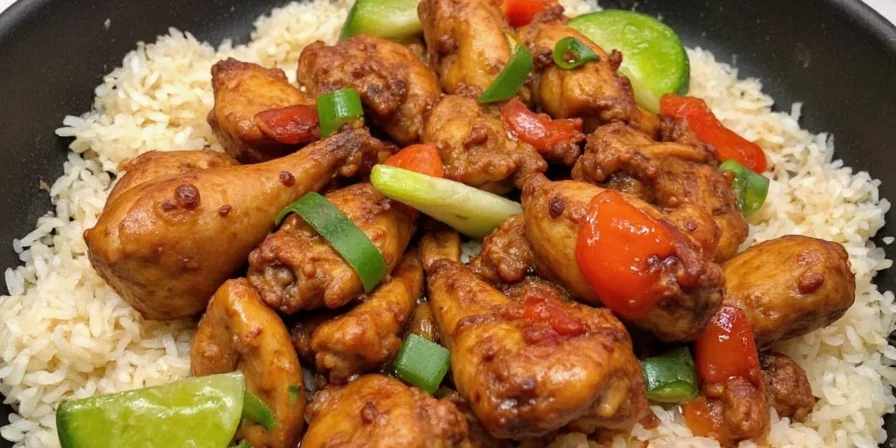
Pro Tips for Perfecting Your Glaze
Mastering the glaze is half the battle. Here are some expert-approved techniques to ensure your honey soy glazed chicken hits the right notes every time:
- Simmer slowly: Don’t rush the glaze. Letting it reduce over low heat intensifies flavor and thickens the texture.
- Use real honey: Not corn syrup pretending to be honey. Trust us—you can taste the difference.
- Balance the salt: Soy sauce is naturally salty. Taste before adding more salt to your marinade or glaze.
- Marinate for at least 30 minutes: For maximum flavor penetration, let the chicken soak up the spices.
- Baste while cooking: Apply the glaze during the last few minutes of baking or grilling to avoid burning the sugars.
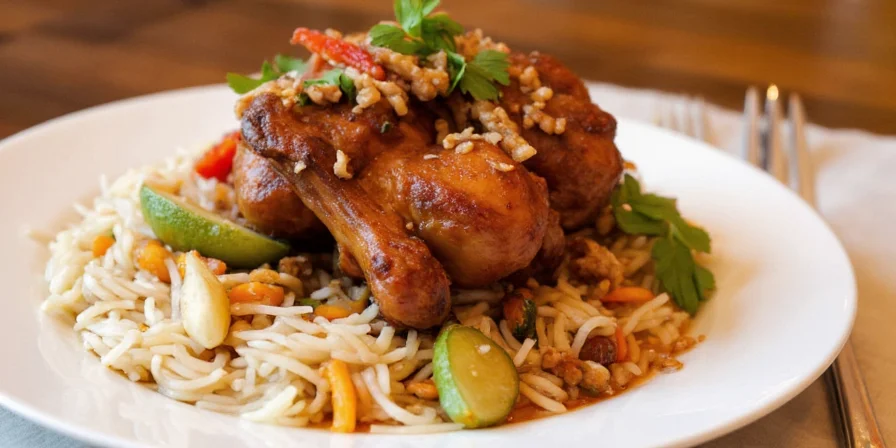
Global Twists: Spice Variations Around the World
Honey soy glazed chicken isn’t just a one-note dish—it’s incredibly adaptable! Across the globe, chefs and home cooks alike have infused local flavors into the mix. Here are some standout versions:
- Thai-Inspired: Add lemongrass, kaffir lime leaves, and a touch of fish sauce for a tangy kick.
- Korean Twist: Mix in gochujang or gochugaru for a fermented fire boost.
- Mexican Fusion: Use chili powder, cumin, and lime zest for a south-of-the-border flare.
- Caribbean Style: Throw in allspice, thyme, and scotch bonnet peppers for island vibes.
- Middle Eastern Makeover: Try za’atar, sumac, and harissa for a bold and aromatic experience.
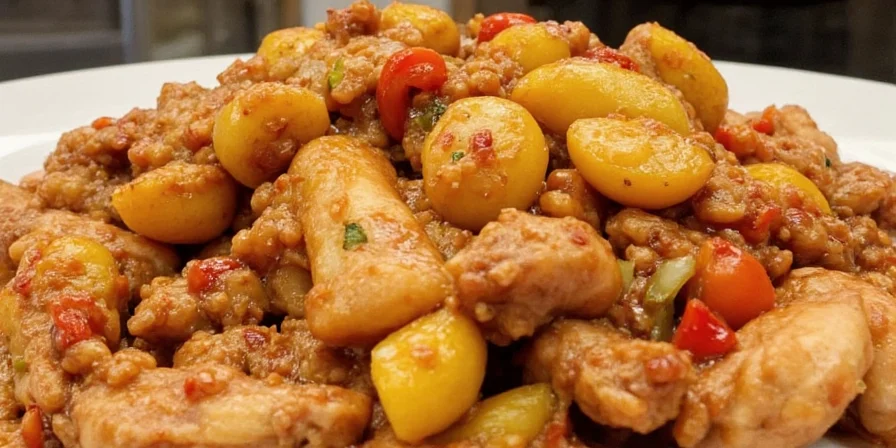
Spice Comparison Table
| Region | Base Flavor | Signature Spice(s) | Heat Level | Unique Ingredient |
|---|---|---|---|---|
| China | Sweet-Salty | Five-spice powder | Low-Medium | Rice wine vinegar |
| Japan | Umami-Rich | Shallots, mirin | Low | Mirin |
| Thailand | Tangy-Fresh | Lemongrass, galangal | Medium-High | Fish sauce |
| Mexico | Smoky-Spicy | Chili powder, cumin | Medium-High | Lime zest |
| Middle East | Earthy-Zesty | Za'atar, Sumac | Medium | Harissa |
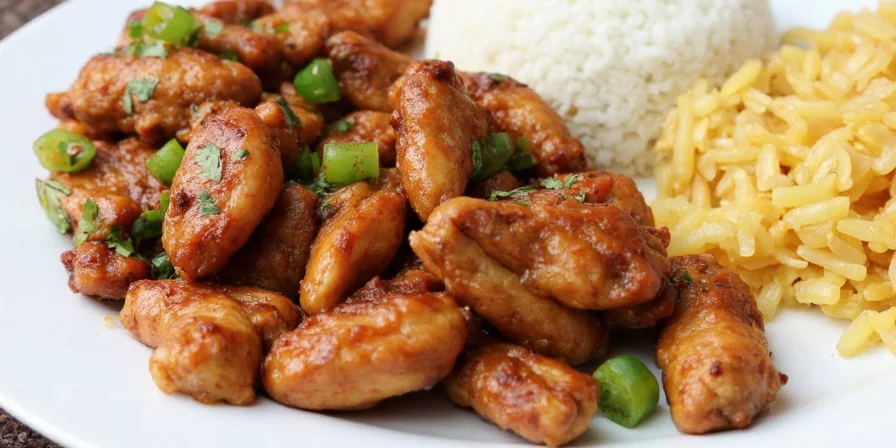
Final Thoughts: Sweet, Savory, and Beyond Borders
Honey soy glazed chicken is more than just a dish—it’s a celebration of how flavor knows no boundaries. With a few clever spice swaps and a bit of cultural curiosity, you can turn a familiar recipe into a passport-stamped masterpiece.
Whether you’re sticking with tradition or spicing things up with a global twist, remember this golden rule: The best honey soy glazed chicken is the one that makes your taste buds sing, dance, and maybe even ask for seconds.
So grab your apron, dust off those spice jars, and let’s bring the world to your dinner plate—one sticky, glossy, glorious bite at a time.




 浙公网安备
33010002000092号
浙公网安备
33010002000092号 浙B2-20120091-4