
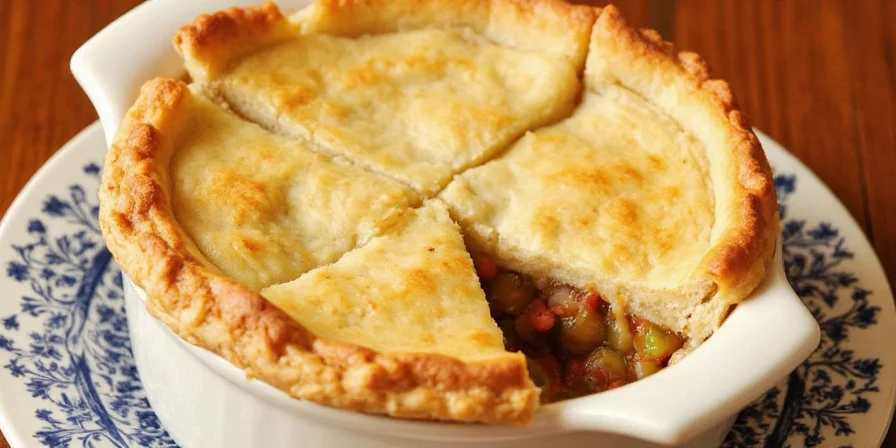
From Colonial Kitchens to Modern Ovens: The Spicy Roots of Chicken Pot Pie!
Ever taken a bite of warm, flaky chicken pot pie and wondered, 'Where in the spice-laden world did this comfort classic come from?' Well, buckle up, foodie friends — we’re diving into the rich history, cultural evolution, and even some spice-infused secrets behind this beloved dish. Spoiler alert: it’s not just about chicken and pastry!
Table of Contents
- Origins of Chicken Pot Pie: A Taste of History
- Colonial Comfort Food with a Spice Twist
- The Evolution: From Stew to Pie
- Spice Up Your Pot Pie: Global Flavors You Should Try
- 5 Pro Tips to Make the Ultimate Chicken Pot Pie at Home
- Conclusion: More Than Just a Pie — It’s a Culinary Legacy
Origins of Chicken Pot Pie: A Taste of History
The story of chicken pot pie begins not in a modern bakery or fast-food chain, but deep in the hearths of early British settlers and Native American culinary traditions. Yes, you heard that right — the roots of this seemingly simple dish are as complex as a well-seasoned stew.
While many believe chicken pot pie is purely an American invention, its foundation comes from the old-world concept of the “pot pie” — essentially meat, vegetables, and spices simmered together and encased in a crust.
A Transatlantic Treat
| Region | Historical Dish | Key Ingredients |
|---|---|---|
| Britain | Penny Pies | Lamb, suet crust, herbs |
| France | Pâté en Croûte | Pork, wine, thyme |
| USA (Colonial Era) | Chicken Pot Pie | Chicken, butter, cream, black pepper |
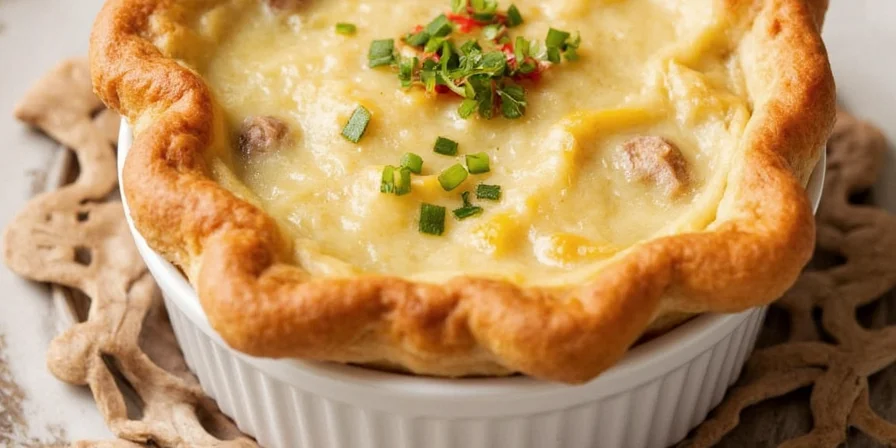
The key difference? In America, resourceful cooks used local ingredients like corn, potatoes, and yes — spices that were more accessible thanks to growing trade routes. Think of it as colonial fusion cuisine!
Colonial Comfort Food with a Spice Twist
In the 1700s, when ovens were scarce and cooking was done over open fires, pies were practical. The thick pastry served less as a delicacy and more as a lid to preserve and transport the filling — kind of like a pre-refrigeration Tupperware.
The Early “Patty-Cakes”
Before the creamy, flaky pies we know today, chicken pot pie started life as something called a “patty” — a small, hand-held version baked in individual tins. These were often spiced with:
- Nutmeg
- Mace
- Cinnamon
- Black pepper
- Dried herbs like thyme and marjoram
Yes! That's right — your grandma’s chicken pot pie might have more in common with medieval Moroccan tagines than she lets on.
The Evolution: From Stew to Pie
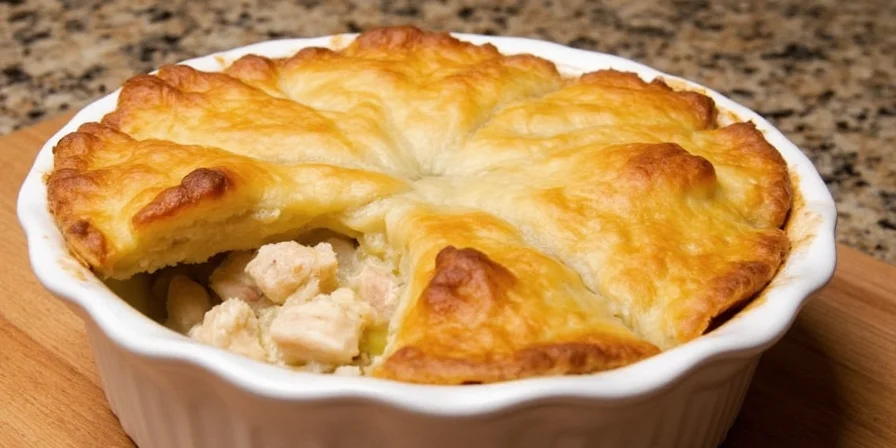
As time marched on and kitchens became more sophisticated, so did chicken pot pie. By the late 1800s and early 1900s, especially during the industrial age, canned goods and condensed milk made their way into homes across America.
This meant easier access to ingredients like cream of mushroom soup — a staple in many mid-century chicken pot pies. But while convenience rose, the use of bold spices began to wane in mainstream recipes. Sad, right?
A Nostalgic Revival
Today, chefs and home cooks alike are rediscovering the potential of adding global spices back into the mix. Want proof? Look no further than the rise of dishes like:
- Curried Chicken Pot Pie
- Jerk-Spiced Chicken Hand Pies
- Sriracha-Lime Chicken Pie Bites
So next time you bake your own, consider reaching for the cinnamon before the salt shaker!
Spice Up Your Pot Pie: Global Flavors You Should Try
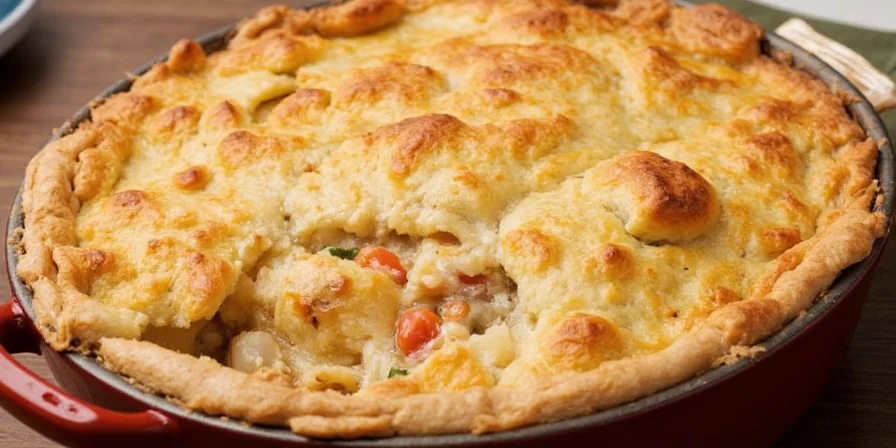
Ready to turn your traditional chicken pot pie into a flavor-packed adventure? Here are five international spice combinations that will make your oven smell like a spice market in Marrakech, Bangkok, or Istanbul.
1. North African Twist
- Ras el Hanout
- Paprika
- Ground cinnamon
- Dried apricots or raisins for sweetness
2. Indian-Inspired Curry Pie
- Garam masala
- Turmeric
- Fenugreek
- Fresh ginger and garlic
3. Thai Fusion
- Red curry paste
- Lemongrass
- Kaffir lime leaves
- Fish sauce instead of salt
4. Mexican Street Style
- Chili powder
- Cumin
- Smoked paprika
- Avocado crema topping
5. Mediterranean Magic
- Oregano
- Sumac
- Feta cheese crumbles
- Kalamata olives
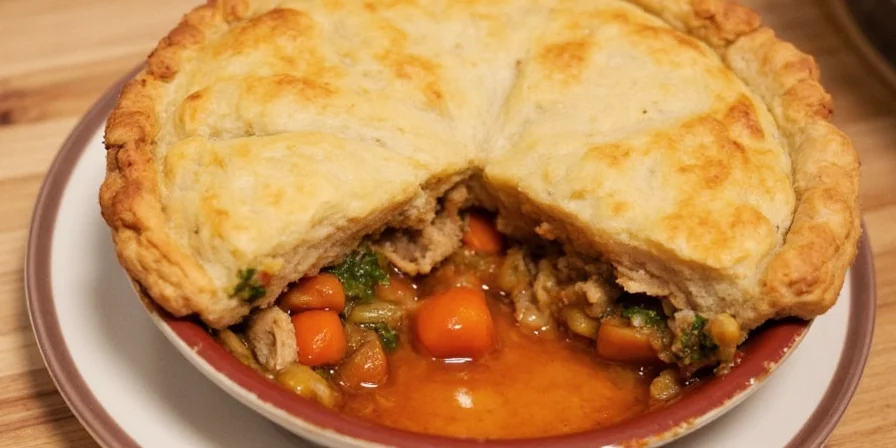
5 Pro Tips to Make the Ultimate Chicken Pot Pie at Home
Want to impress your family or elevate your next dinner party with a homemade chicken pot pie that screams “I’ve got a secret!”? Here are our top five tips:
- Don’t skimp on the roux! A golden brown roux (flour + butter) is the base of a silky sauce. Cook it for at least 2–3 minutes to remove that raw flour taste.
- Add fresh herbs at the end. While dried spices work great during cooking, toss in chopped parsley or cilantro after baking for a burst of freshness.
- Use both white and sweet onions. White onions add sharpness, while sweet onions bring balance — it’s like yin and yang in your pie!
- Try puff pastry for extra flakiness. If you’re feeling fancy, swap out regular pie crust for store-bought puff pastry — your guests won’t know what hit them.
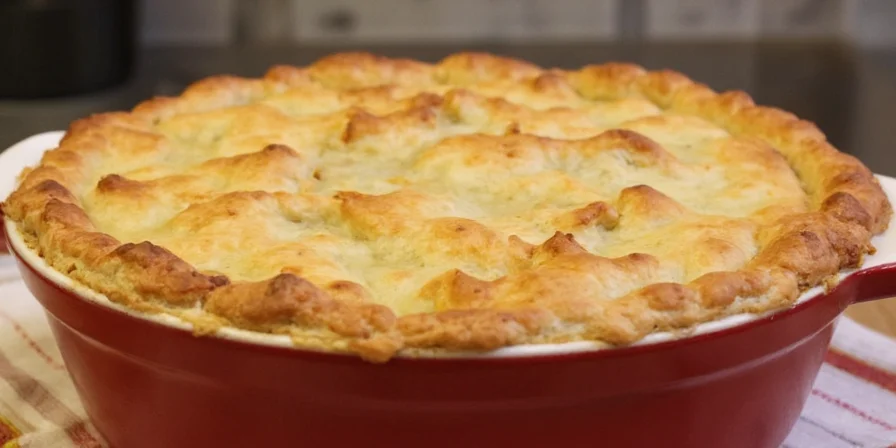
- Bake until golden and bubbly. Don’t be afraid to let that crust go dark golden. Trust us, it’ll look like a million bucks and taste like heaven.
Conclusion: More Than Just a Pie — It’s a Culinary Legacy
So where did chicken pot pie originate? It may have been born from humble British roots, but it grew up in American soil, seasoned by centuries of spice trade, migration, and culinary curiosity. Whether you're making it with a dash of cumin or a spoonful of curry powder, remember — every pie tells a story. Yours could be the next chapter!
Next time you pull a steaming hot chicken pot pie out of the oven, take a moment to savor the layers — not just of pastry and filling, but of culture, history, and a whole lot of delicious spice.




 浙公网安备
33010002000092号
浙公网安备
33010002000092号 浙B2-20120091-4