

7 Side Dishes That’ll Make Your Tikka Masala Taste Like a Bollywood Dream
Tikka masala might be the star of your dinner plate, but let’s face it—no superstar shines alone. Behind every great curry is an ensemble cast of side dishes that bring flavor, texture, and drama to the table.
In this blog post, we’re diving into Global Spice Traditions to uncover the perfect sidekicks for your favorite Indian classic: chicken tikka masala. Whether you're hosting a party or just spicing up a weeknight dinner, these sides will turn your meal into a full-blown culinary performance.
Table of Contents
- 1. Naan – Buttery and Bubbly
- 2. Rice Pilaf – The Fancy Cousin
- 3. Raita – Cucumber Yogurt Cool-Down
- 4. Papadum – Crispy, Crunchy Companion
- 5. Pickle – 'Spice' Is the Word
- 6. Salad – Freshness in a Bowl
- 7. Chutney – Flavor Explosion in a Jar
- Pro Tips to Level Up Your Meal
- Spice Showdown: Side Dish Comparison Chart
- Final Thoughts
1. Naan – Buttery and Bubbly
If tikka masala is the leading man, naan is the best friend who steals the scene. This leavened flatbread, traditionally cooked in a tandoor oven, is soft, fluffy, and slightly charred at the edges. Its pillowy texture makes it perfect for scooping up every last drop of that creamy tomato gravy.

Naan comes in many variations: garlic, butter (tandoori), stuffed with cheese (paneer), or even with herbs like coriander. Pro tip: Brush warm naan with ghee or butter before serving for extra indulgence.
2. Rice Pilaf – The Fancy Cousin
Rice pilaf isn’t just any rice—it’s the fancy cousin who vacations in Goa and brings back spices. Made with basmati rice, saffron, fried onions, and whole spices like cardamom and cloves, this aromatic side complements the richness of tikka masala without stealing its thunder.
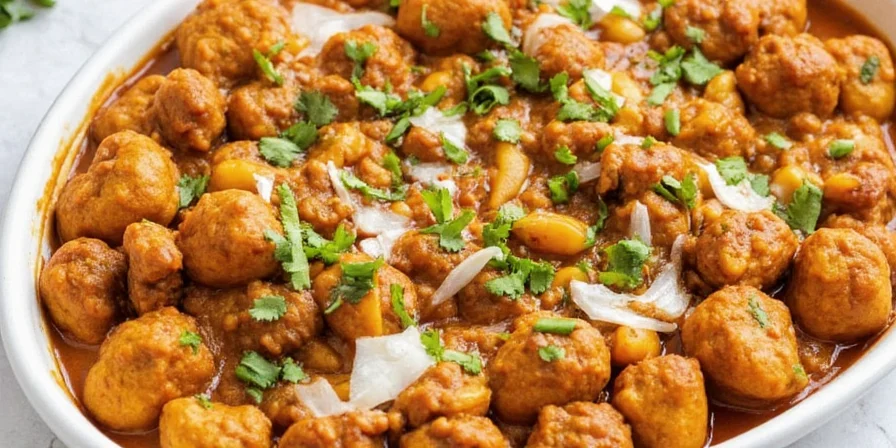
For a royal touch, sprinkle toasted slivered almonds or raisins on top. The nutty sweetness pairs surprisingly well with the curry’s spice profile.
3. Raita – Cucumber Yogurt Cool-Down
Let’s be honest—sometimes tikka masala hits with the heat of a summer blockbuster trailer. Enter raita, the chilled yogurt-based side that cools things down like a monsoon breeze.
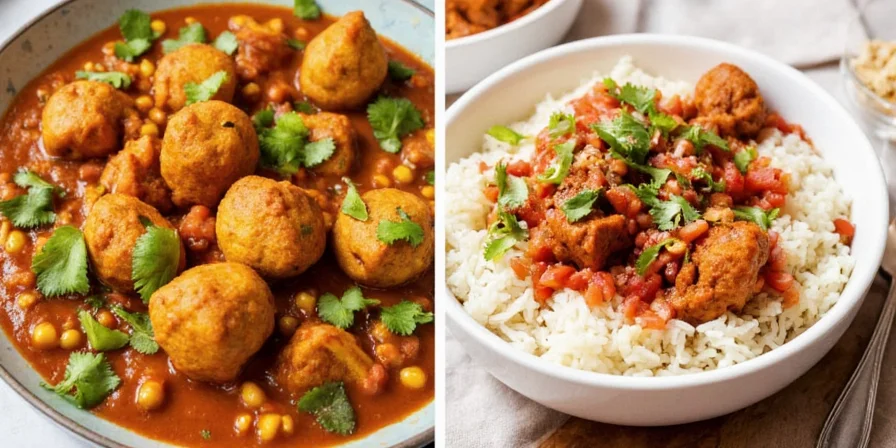
Made with plain yogurt, grated cucumber, mint, and cumin, raita balances the richness of the curry and soothes the palate. Want to jazz it up? Try boondi raita (tiny chickpea balls soaked in yogurt) or mix in diced tomatoes and onions for extra crunch.
4. Papadum – Crispy, Crunchy Companion
Papadum (also spelled papadam) is the crunchy companion that never fails to impress. These thin, crisp wafers are made from seasoned lentil, chickpea, or rice flour and are usually deep-fried or roasted until they puff up dramatically.
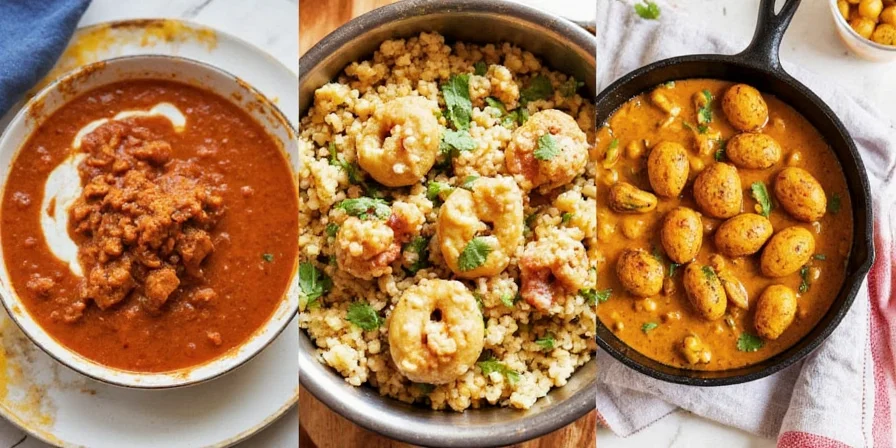
Serve them as a pre-dinner snack or alongside your main course for added texture. They’re especially fun when paired with spicy mango pickle or tangy chutneys.
5. Pickle – 'Spice' Is the Word
If there’s one thing Indians know how to do right, it’s preserving flavors—and pickle (achaar) is proof. Made from mangoes, limes, carrots, or even eggplants, these fiery condiments add a bold punch to your meal.
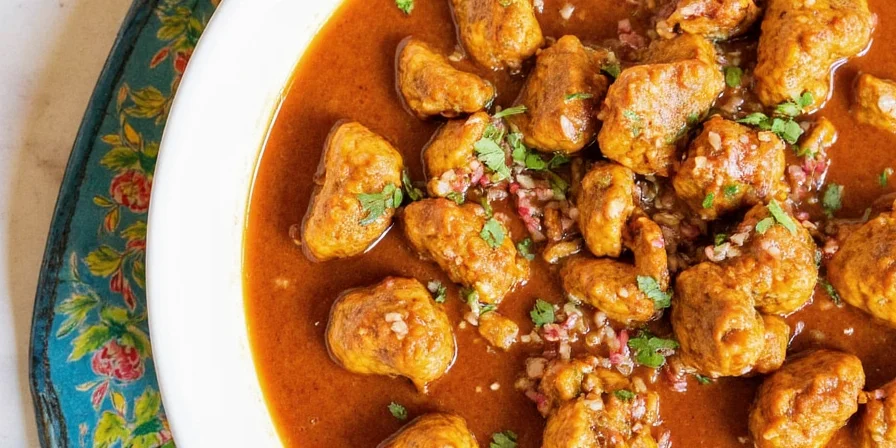
A small spoonful goes a long way. Achaar cuts through the creaminess of tikka masala like a musical number bursts into a dramatic scene. Just be careful not to overdo it unless you want your taste buds dancing the night away.
6. Salad – Freshness in a Bowl
Indian cuisine isn’t all about heavy flavors. A simple salad can provide the refreshing contrast your meal needs. Think finely chopped onions, cucumbers, tomatoes, and green chilies dressed with lemon juice and chaat masala.
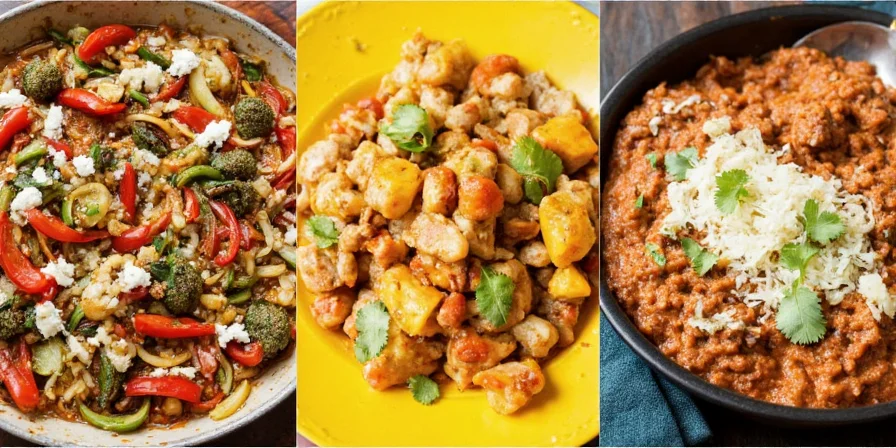
This no-frills salad is often served raw as a side dish in homes and restaurants alike. It's light, healthy, and helps cleanse the palate after each rich bite of curry.
7. Chutney – Flavor Explosion in a Jar
Chutney is where sweet, sour, spicy, and tangy come together in harmony. Mint chutney, tamarind-date chutney, coconut chutney—you name it. Each region in India has its own signature blend.
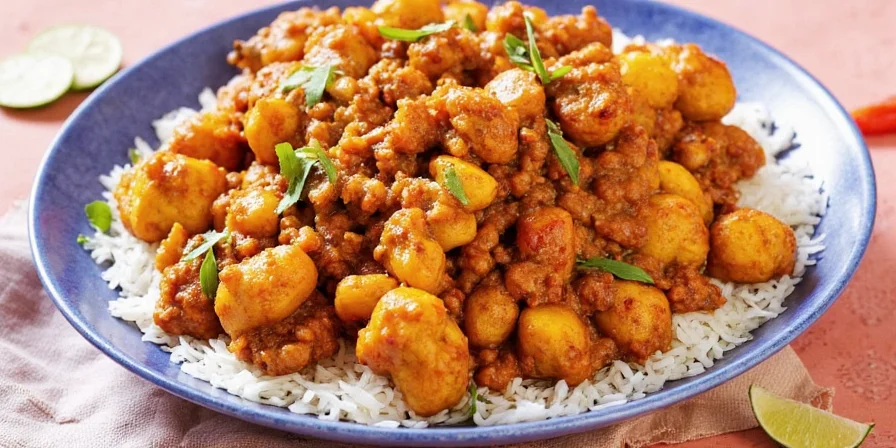
These flavorful pastes elevate the entire dining experience. Serve a selection alongside your tikka masala for dipping or drizzle directly onto the dish for an extra zing.
Pro Tips to Level Up Your Meal
- Warm it up: Always serve naan and rice at room temperature or slightly warm for optimal flavor absorption.
- Layer textures: Combine crispy papadum with soft naan and creamy raita to create a sensory feast.
- Bold pairings: Don’t shy away from strong flavors like pickle or hot chutney—they balance out the richness beautifully.
- Fresh matters: Use freshly ground spices whenever possible. Whole spices like cumin seeds and mustard seeds should be tempered just before use for maximum aroma.
- Color counts: Add color to your plate with vibrant salads and pickles for visual appeal and variety.
Spice Showdown: Side Dish Comparison Chart
| Side Dish | Texture | Flavor Profile | Cooling Effect | Best For |
|---|---|---|---|---|
| Naan | Soft, chewy | Mild, buttery | Low | Scooping up curry |
| Rice Pilaf | Light, fluffy | Aromatic, nutty | Low | Soaking up sauce |
| Raita | Smooth, creamy | Refreshing, herby | High | Cooling down spice |
| Papadum | Crispy, crunchy | Salty, savory | None | Textural contrast |
| Pickle | Varies (soft/mushy/crunchy) | Spicy, tangy, salty | Low | Flavor boost |
| Salad | Crispy, juicy | Sharp, fresh | Moderate | Palate cleanser |
| Chutney | Thick paste | Sweet, sour, spicy | Variable | Dipping and drizzling |
Final Thoughts
Tikka masala may be the headliner, but a well-rounded meal needs a supporting cast that knows how to shine. By choosing the right side dishes, you elevate your dining experience from a solo act to a full-blown theatrical production.
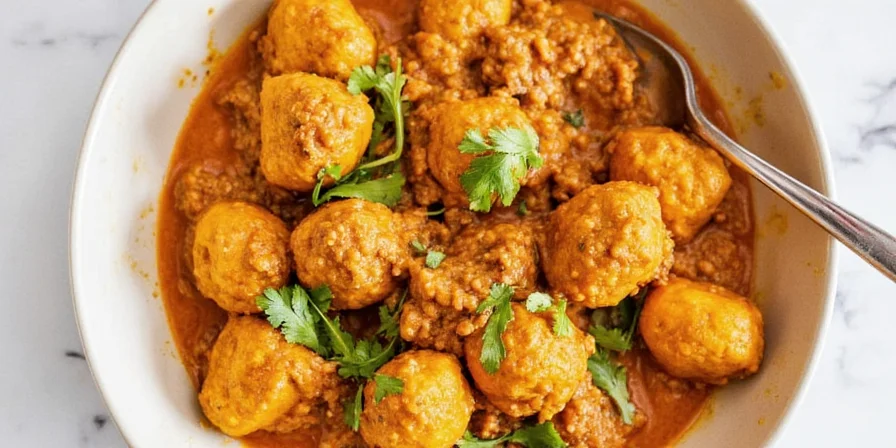
Whether you’re cooking for yourself, family, or friends, remember that the magic lies in balance. Play with textures, temperatures, and flavors to find your perfect combination. And don’t forget—every bite should tell a story worth savoring.
Now go ahead and whip up your next tikka masala feast with confidence. With these side dishes by your side, your dinner plate just became the most interesting character in the room.




 浙公网安备
33010002000092号
浙公网安备
33010002000092号 浙B2-20120091-4