
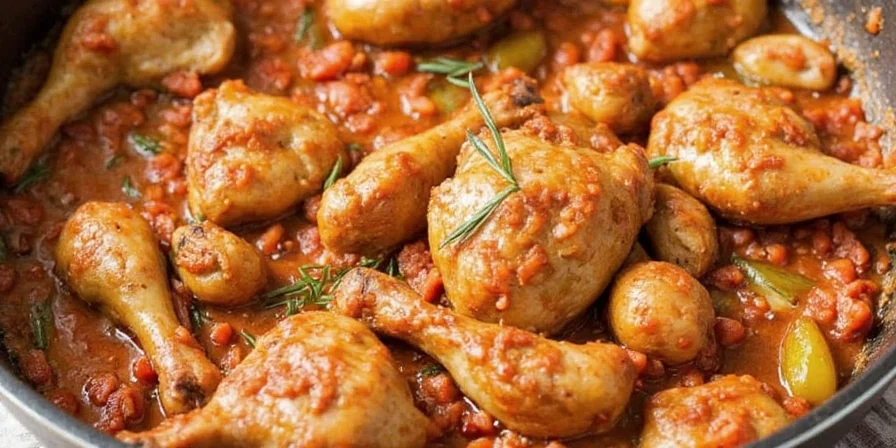
Chicken Provencal: A Symphony of Sun-Drenched Spices
Welcome, spice enthusiasts! Today we’re diving into the fragrant world of Chicken Provencal, a rustic French dish that brings together sun-kissed herbs, vibrant vegetables, and just the right amount of spice to make your taste buds sing. Whether you're a seasoned pro in the kitchen or an enthusiastic home cook looking for a new adventure, this article is your ultimate guide to mastering Chicken Provencal with style — and maybe even a little flair.
Why Chicken Provencal Deserves a Spot on Your Table
Before we get into the nitty-gritty of how to prepare it, let’s talk about why this dish has stood the test of time and continues to capture hearts across the globe. Hailing from the Provence region of France, this dish is a culinary love letter to simplicity and flavor.
- Fresh ingredients: Think ripe tomatoes, garlic, bell peppers, and olives.
- Aromatic spices: Thyme, rosemary, and bay leaf create that signature Provençal aroma.
- Comfort meets sophistication: It’s hearty enough for a cold evening but elegant enough to serve at a dinner party.
The Spice Story Behind Chicken Provencal
The spices used in Chicken Provencal aren’t just for show — they’re deeply rooted in Mediterranean culture and history. Let’s take a quick detour through the spice rack:
| Spice | Flavor Profile | Cultural Significance | Pro Tip |
|---|---|---|---|
| Thyme | Earthy, minty, slightly lemony | Symbols of courage and strength in ancient Greece | Fresh sprigs work best; strip leaves before cooking |
| Rosemary | Pine-like, woody, robust | Used in weddings and remembrance rituals | Use sparingly; too much can overpower |
| Basil | Sweet, peppery, aromatic | Loved across Italian and French cuisines | Add at the end for freshness |
| Bay Leaf | Mildly bitter, herbal, woodsy | Traditionally used in bouquet garni | Always remove before serving! |
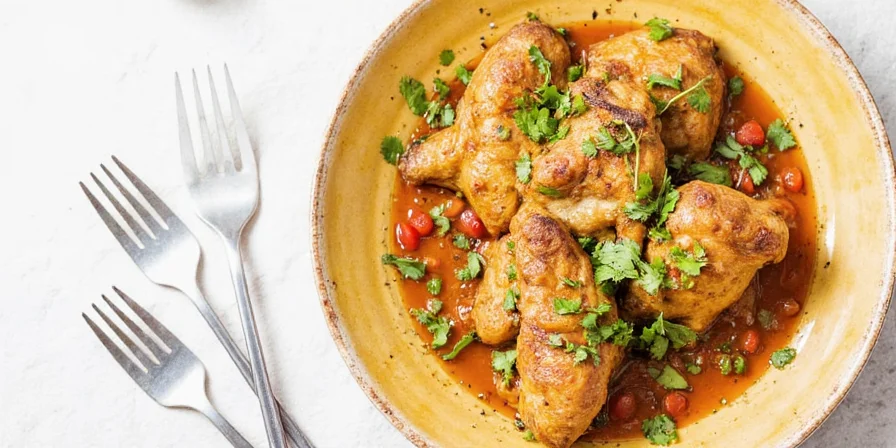
5 Essential Tips to Mastering Chicken Provencal Like a Pro
You don’t need a Michelin star to cook like one. Here are five expert-approved tips that’ll take your Chicken Provencal game from “meh” to “magnifique!”
- Brown that bird properly: Get a golden crust on your chicken thighs first. This creates flavor and seals in juices.
- Don’t rush the aromatics: Sauté garlic and onions slowly until translucent. Rushing this step leads to bitterness.
- Use seasonal veggies: If tomatoes are peak-ripe in July, use them then. Swap out veggies depending on what’s fresh and local.
- Wine not? Go ahead!: Deglaze the pan with a dry red wine (like Côtes du Rhône) or white wine for extra depth.
- Simmer gently: Let everything bubble away low and slow so the flavors meld beautifully without drying out the meat.
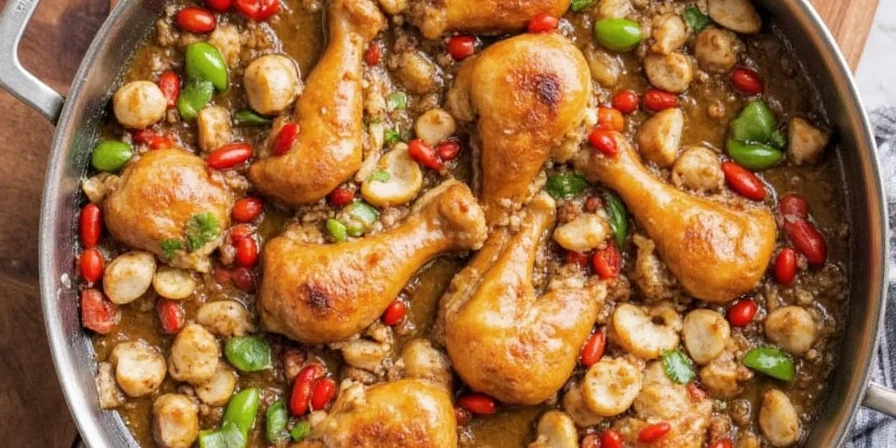
Common Mistakes and How to Avoid Them
Even seasoned cooks sometimes trip up. Don’t be discouraged! Here are some common pitfalls and how to dodge them like a true culinary ninja:
- Mistake #1: Using boneless skinless thighs – these tend to dry out. Stick with bone-in, skin-on cuts for maximum juiciness.
- Mistake #2: Over-seasoning too early – salt draws moisture out. Wait until the last few minutes to adjust seasoning.
- Mistake #3: Skipping the deglaze – that browned goodness at the bottom of the pan is pure flavor gold.
- Mistake #4: Rushing the process – Chicken Provencal is a comfort dish. Give it time to shine.
Variations Around the Globe: Chicken Provencal Goes Global
While Chicken Provencal is French at heart, its soul knows no borders. Let’s take a quick tour of how different regions have put their own spin on this classic dish:
| Region | Twist | Key Ingredient | How It Changes the Dish |
|---|---|---|---|
| Northern Italy | Provencal-inspired cacciatore | Mushrooms & fennel seeds | Adds earthy notes and a slight licorice kick |
| Morocco | Spiced-up version | Paprika & preserved lemons | Brings warmth and tanginess |
| California, USA | Modern twist | Zucchini & pesto finish | Freshens up the dish with green brightness |
| Greece | Mediterranean mashup | Kalamata olives & oregano | Boosts saltiness and herb intensity |
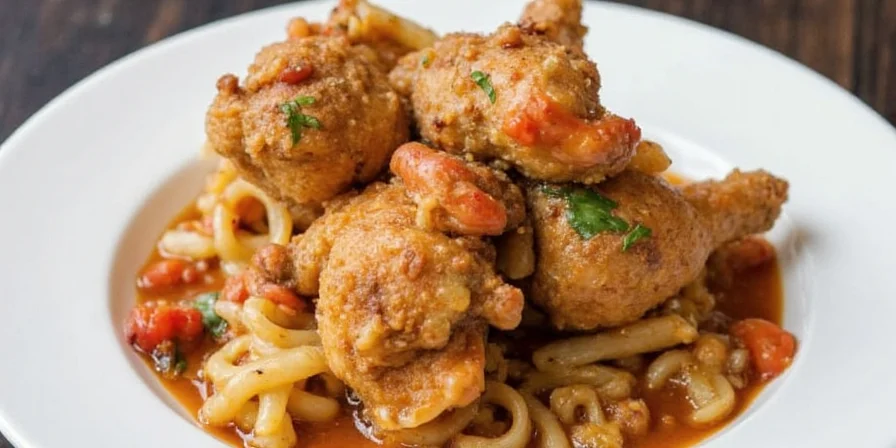
Pro Tip: Customize Your Spice Blend
Want to make it truly your own? Try blending your own herbes de Provence mix. Here’s a quick DIY recipe:
- 2 tbsp dried thyme
- 1 tbsp dried rosemary
- 1 tbsp dried savory
- 1 tsp dried basil
- ½ tsp lavender (optional, for floral flair)
Store in a cool, dark place and use as needed. Bonus: it makes a great gift for fellow foodies!
Pairing Suggestions: What to Serve with Chicken Provencal
Chicken Provencal is generous by nature — it loves good company. Here are some tried-and-true sidekick ideas:
- Rice: Basmati or jasmine rice soak up all those lovely juices.
- Pasta: Wide egg noodles or tagliatelle are perfect for sopping up sauce.
- Bread: Crusty baguette slices — because sauce is wasted on no one.
- Salad: Arugula with lemon vinaigrette adds brightness.
- Wine: Pair with a light red like Pinot Noir or a crisp rosé.
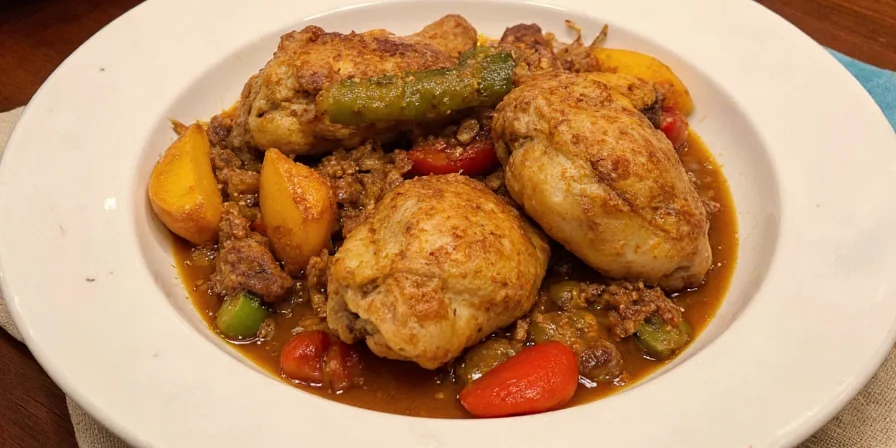
Dessert Detour
After such a rich main course, keep things light with a fruit-based dessert. Try a citrus sorbet or a simple cheese plate with figs and honey.
Conclusion: Embrace the Simplicity, Celebrate the Spice
In a world full of complicated recipes and fleeting food trends, Chicken Provencal reminds us that the most enduring dishes are often the simplest ones. It’s proof that with the right balance of herbs, heat, and heart, you can transform humble ingredients into something magical.
So next time you’re in the mood to impress (or just want a comforting meal), grab your favorite spices, a cast iron skillet, and let the spirit of Provence guide your kitchen adventures. Who knows — you might just discover your new go-to dish!
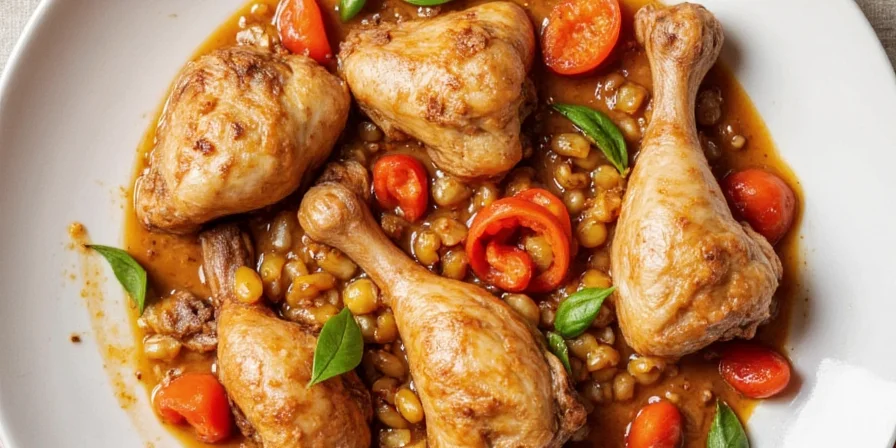
Final Thoughts
If you’ve made it this far, congratulations! You’re now officially ready to conquer Chicken Provencal like a seasoned chef. And if you do try this at home, don’t forget to share your creations — after all, food tastes better when shared with others.
Stay spicy, friends.




 浙公网安备
33010002000092号
浙公网安备
33010002000092号 浙B2-20120091-4