
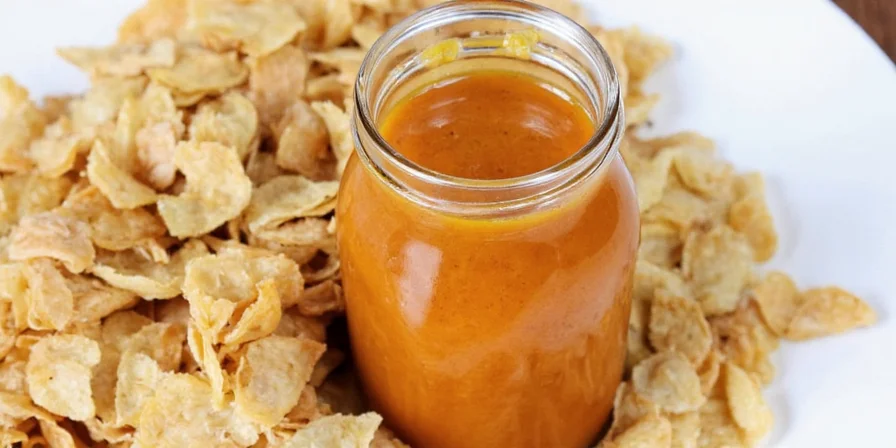
7 Flavor-Packed Italian Dressing Substitutes You’ll Wish You Knew Sooner!
So you’re standing in your kitchen, staring at a recipe that calls for Italian dressing… but you don’t have any on hand. Panic mode? Not today! Whether you’re a seasoned chef or a curious spice enthusiast, this guide will arm you with 7 creative substitutes that are not only easy to make but also bring a global twist to your dish.
Table of Contents
- Introduction
- Lemon-Tahini Twist
- Soy-Sesame Surprise
- Herb-Infused Vinegar Base
- Greek Yogurt Dream
- Chipotle Lime Fusion
- Wasabi & Ginger Zing
- Coconut Curry Magic
- Conclusion
Why You Might Need an Italian Dressing Substitute
Italian dressing is beloved for its balance of acidity, herbs, and oil — perfect for salads, marinades, or drizzling over roasted veggies. But what if you're out? Or you want to switch things up?
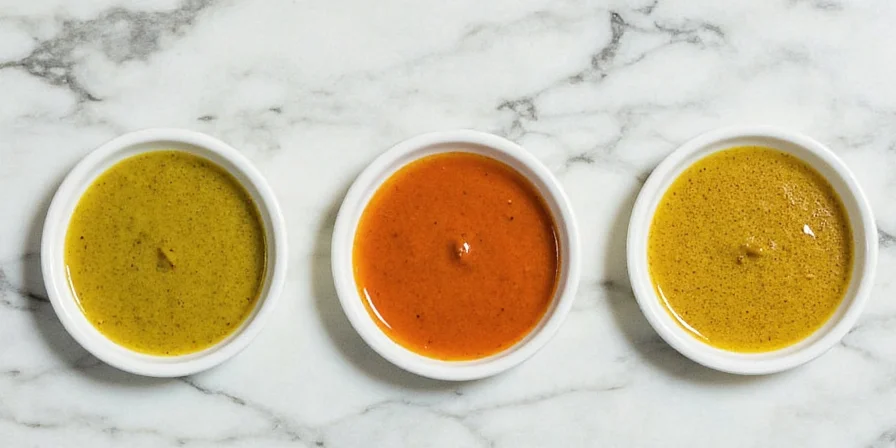
Let’s dive into some globally inspired alternatives that keep your dishes flavorful without missing a beat.
1. Lemon-Tahini Twist: Mediterranean Meets Creamy Cravings
This Middle Eastern-inspired substitute brings a creamy texture with the brightness of lemon. Tahini adds richness while olive oil keeps it silky.
- Ingredients: Tahini, lemon juice, olive oil, garlic powder, salt, water
- Ratio: 1 part tahini : 1 part lemon juice : 1 part olive oil
- Use case: Grain bowls, falafel wraps, or drizzled over roasted cauliflower
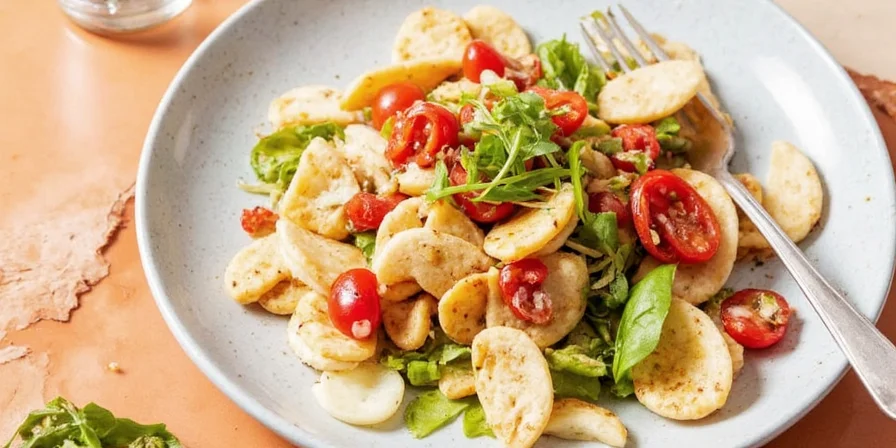
2. Soy-Sesame Surprise: East Meets West with Umami
If you’re craving something savory and slightly sweet, this soy-sesame blend offers a unique alternative with roots in Asian cuisine.
- Ingredients: Soy sauce, rice vinegar, sesame oil, honey, ginger, garlic
- Ratio: 2 parts soy sauce : 1 part vinegar : 1 part sesame oil
- Use case: Noodle salads, grilled tofu, or as a dipping sauce
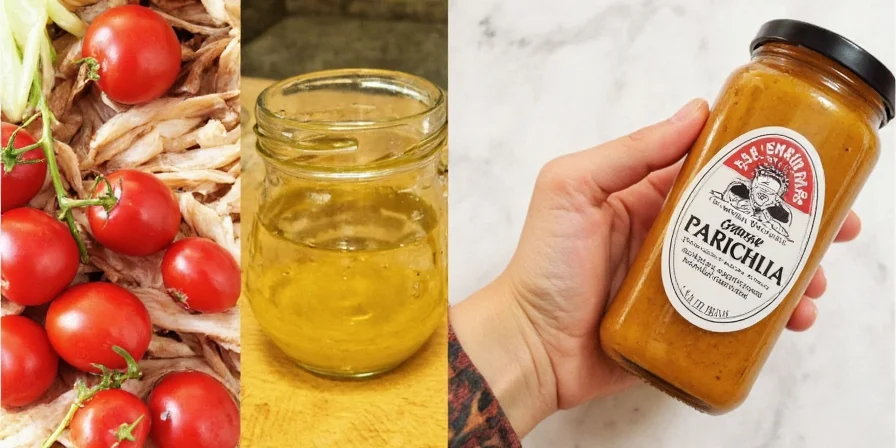
3. Herb-Infused Vinegar Base: Old World Flair Without the Bottle
Go back to basics with this customizable mix that mimics the herbal complexity of Italian dressing using pantry staples.
- Ingredients: Red wine vinegar, Dijon mustard, dried oregano, basil, thyme, olive oil
- Ratio: 1 part vinegar : 3 parts oil
- Pro tip: Muddle fresh herbs for extra aroma
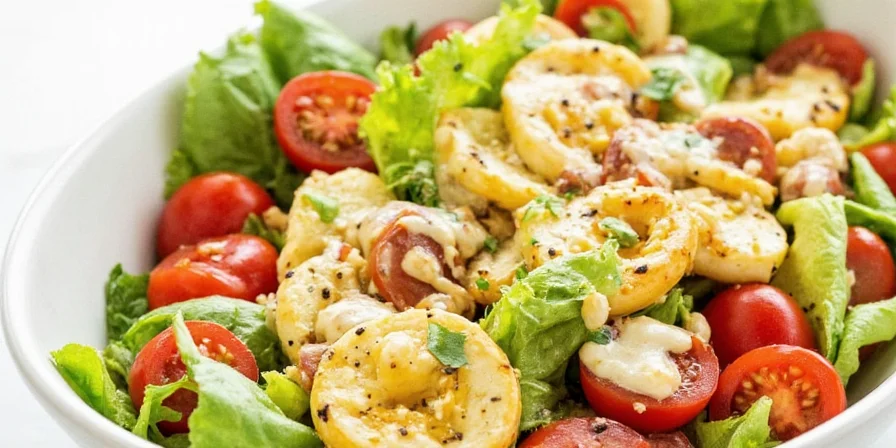
4. Greek Yogurt Dream: Creamy Without the Guilt
For a lighter option with a tangy punch, this dairy-based substitute adds body and protein to your meal.
- Ingredients: Greek yogurt, apple cider vinegar, lemon juice, dill, garlic powder
- Ratio: 2 parts yogurt : 1 part acid (vinegar + lemon)
- Use case: Tzatziki vibes for sandwiches or veggie platters

5. Chipotle Lime Fusion: Spice It Up, Latin Style
Add a kick to your salad or taco night with this smoky-lime combo rooted in Mexican flavors.
- Ingredients: Lime juice, chipotle in adobo, olive oil, cumin, honey
- Ratio: Start with 1 part lime : 2 parts oil
- Pro tip: Add a dollop to mayo for a killer burger sauce
6. Wasabi & Ginger Zing: A Bold Alternative from Japan
Unexpected but delicious — this zesty combination works wonders when you want a bold flavor profile that wakes up your taste buds.
- Ingredients: Rice vinegar, wasabi paste, grated ginger, sesame oil
- Ratio: 2 parts vinegar : 1 part oil
- Use case: Sushi bowls, soba noodle salads, or as a spicy dip
7. Coconut Curry Magic: Tropical Meets Spiced
This South Asian-inspired substitute blends creaminess with curry spices, offering a rich and aromatic alternative to traditional vinaigrettes.
- Ingredients: Coconut milk, curry powder, lime juice, tamarind paste, fish sauce (or soy sauce)
- Ratio: 2 parts coconut milk : 1 part acid (lime + tamarind)
- Pro tip: Perfect for Thai-inspired lettuce wraps or mango salads
Comparison Table: The Quick Reference Guide
| Substitute | Main Flavor Profile | Best For | Texture |
|---|---|---|---|
| Lemon-Tahini Twist | Creamy, nutty, bright | Grain bowls, roasted veggies | Thick & creamy |
| Soy-Sesame Surprise | Umami-rich, salty-sweet | Noodle salads, tofu | Light & glossy |
| Herb-Infused Vinegar | Earthy, acidic, herbal | Classic salads, marinades | Thin & vibrant |
| Greek Yogurt Dream | Tangy, refreshing | Dips, wraps, cucumber salads | Thick & smooth |
| Chipotle Lime Fusion | Smoky, citrusy, spicy | Taco bowls, burgers | Loose & punchy |
| Wasabi & Ginger Zing | Sharp, peppery, zesty | Asian salads, sushi bowls | Thin & sharp |
| Coconut Curry Magic | Savory, sweet, spicy | Thai-inspired dishes | Velvety & thick |
Conclusion: Embrace the Global Pantry
You don’t need to stick strictly to Italian dressing to enjoy a burst of flavor. By thinking outside the bottle, you can transform everyday ingredients into exciting, globally inspired dressings that elevate your meals and expand your culinary horizons.
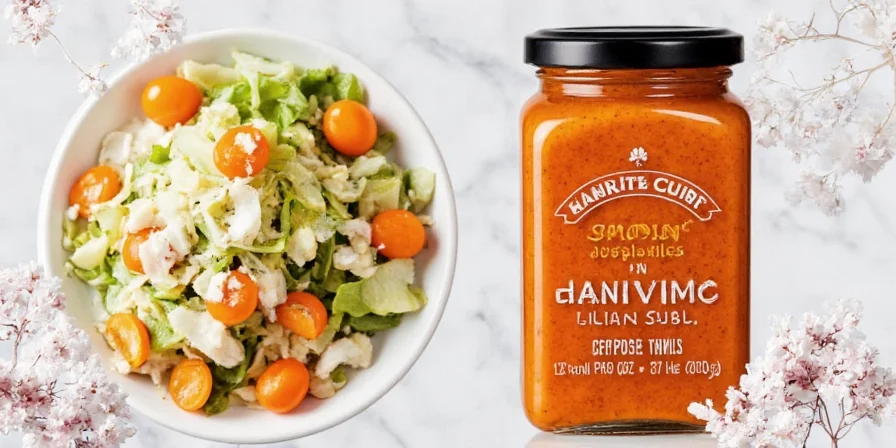
Whether you lean toward the creamy tahini blend, the umami-rich soy-sesame combo, or the tropical allure of coconut curry — there's a substitute here that fits your taste and lifestyle.
Now go ahead, raid your pantry, and get creative — your next flavor adventure is just a whisk away!




 浙公网安备
33010002000092号
浙公网安备
33010002000092号 浙B2-20120091-4