
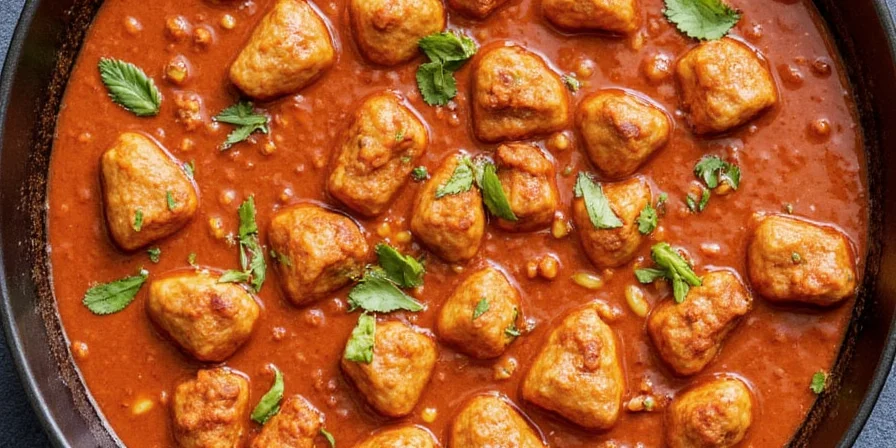
Tikka Misala: The Spice-Packed Symphony You Never Knew You Needed!
Introduction: What Exactly is Tikka Misala?
If you've ever tasted a dish that made your taste buds dance, laugh, and cry all at once — congratulations! You might have just encountered the magic of tikka misala. But what exactly is this spice-laden marvel? Is it a dish? A blend? Or perhaps a secret ingredient straight from a South Asian grandmother’s kitchen vault?
In short: tikka misala is one of those elusive spice mixtures that straddles the line between tradition and innovation. It's not widely known outside its native region, but among those in the know, it's practically sacred.
This article serves as both an introduction for curious beginners and a deep-dive for spice enthusiasts who want to understand how tikka misala can elevate their culinary game.
Section 1: The Origins – Where Did This Flavor Bomb Come From?
The Roots in Global Spice Traditions
To truly appreciate tikka misala, we need to zoom out and look at its place within the broader tapestry of global spice traditions. Spices are more than just flavor enhancers — they're cultural markers, historical artifacts, and even symbols of power and trade.
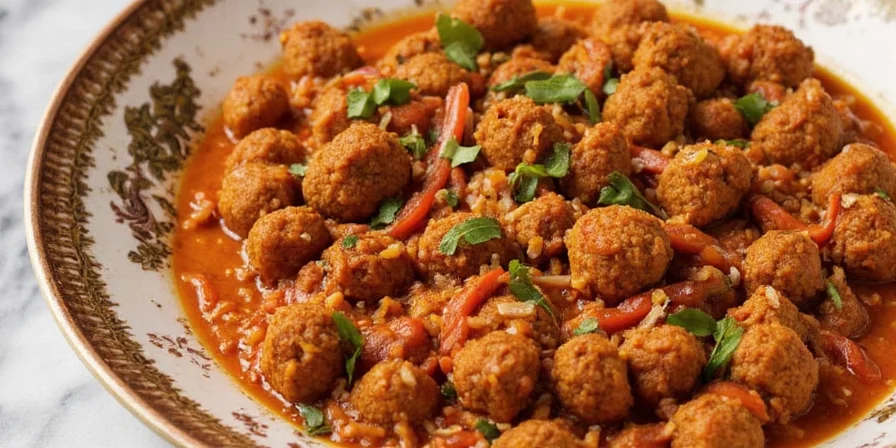
Spice trade routes played a huge role in shaping cuisines like tikka misala.
- Persian Influence: Many spice blends in South Asia owe their origins to Persian traders and invaders.
- Mughal Legacy: The Mughal Empire brought with them luxurious cooking techniques and complex spice mixes, including tikka-style preparations.
- Regional Adaptations: In Pakistan and parts of northern India, tikka misala evolved into something uniquely robust and aromatic.
Section 2: Breaking Down the Blend – What Goes Into Tikka Misala?
The Core Components
Tikka misala is typically used to marinate meats or vegetables before grilling or roasting (especially in the tandoor). But unlike simpler rubs or masalas, this blend is designed for complexity.
| Spice | Flavor Profile | Role in Tikka Misala |
|---|---|---|
| Cumin | Earthy, nutty | Base layer of warmth |
| Coriander | Citrusy, floral | Balances heavier spices |
| Kashmiri Red Chili | Mild heat, vibrant color | Adds depth and visual appeal |
| Garam Masala | Complex, sweet-spicy | Signature finishing touch |
| Fenugreek | Bitter-sweet, maple-like | Adds unique umami notes |
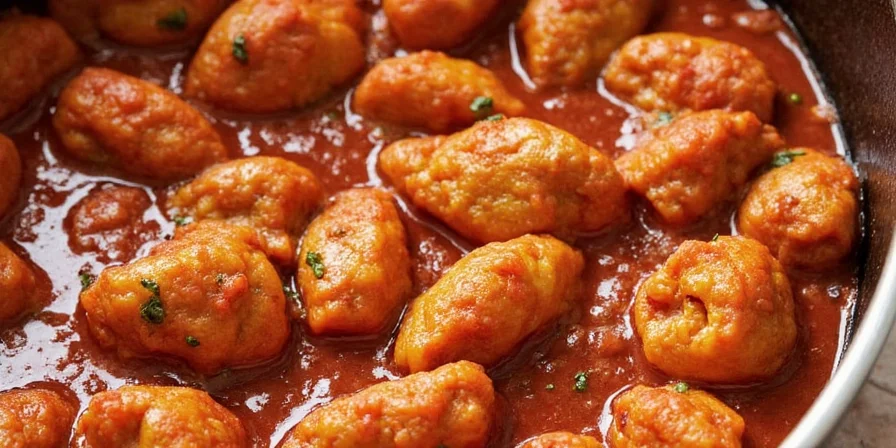
A finely ground tikka misala blend ready to transform any dish.
Optional Add-Ins
- Nutmeg – For a hint of sweetness
- Black pepper – Adds subtle heat
- Dried ginger – Enhances digestion and depth
- Garlic powder – Intensifies savory notes
Section 3: Cooking Tips & Tricks – How to Use Tikka Misala Like a Pro
1. Marination is Key
Don’t rush this step! Give your meat or veggies at least 2–4 hours in the fridge with a generous coating of tikka misala mixed with yogurt or lemon juice. Overnight is ideal for deeper flavor penetration.
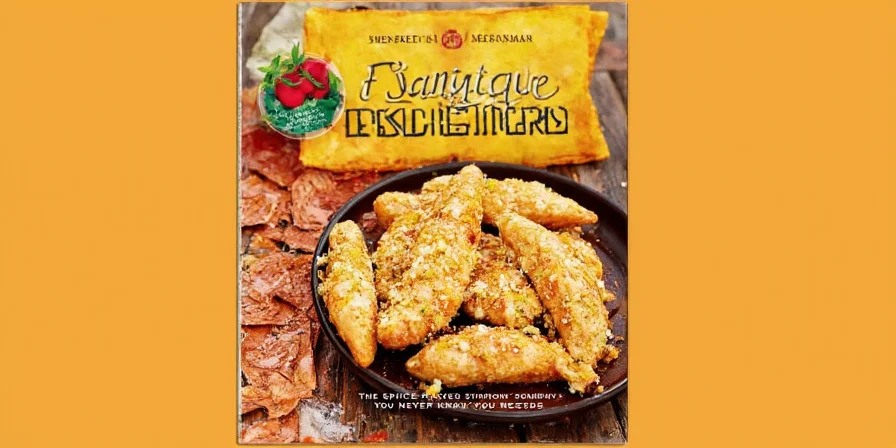
Marinated chicken waiting patiently to become tikka perfection.
2. Yogurt Makes the Magic
Yogurt isn’t just a tenderizer — it acts as a carrier for the spices, helping them adhere to the surface and infuse during cooking. Try full-fat yogurt for richer results.
3. Don’t Forget the Oil
A little oil in the marinade helps the spices stick better and creates that beautiful char when grilled or roasted. Vegetable or mustard oil works best for authentic flavor.
4. Balance with Citrus or Cream
If your final dish feels too heavy or spicy, a squeeze of lime or a dollop of raita can bring everything back into balance. Think of it like hitting the reset button on your palate.
5. Experiment Beyond Meat
- Tofu Tikka: Soak up the flavors without the meat.
- Paneer Cubes: Hold up well on skewers and absorb spice beautifully.
- Vegetable Medley: Eggplant, mushrooms, bell peppers — all great candidates!
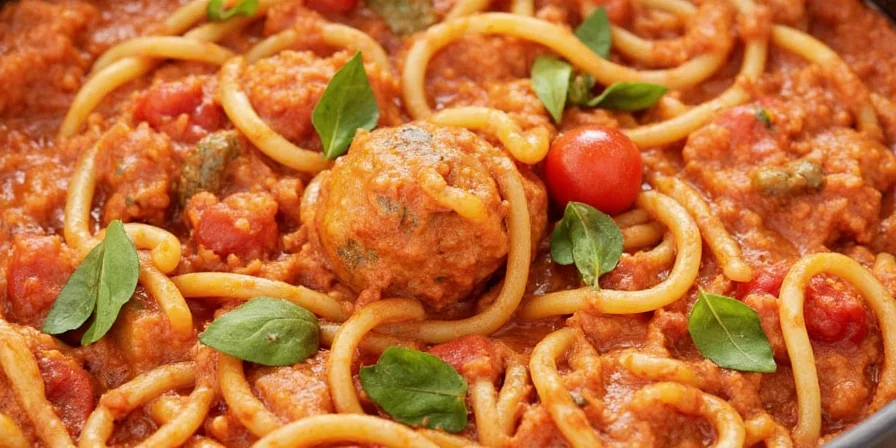
Vibrant veggie skewers seasoned with tikka misala, ready for the grill.
Section 4: Common Pitfalls (and How to Avoid Them)
Even seasoned cooks can fall into traps when using tikka misala. Here are some common mistakes and how to sidestep them:
- Overloading with salt: Since many pre-made spice blends already contain salt, adjust accordingly.
- Using old spices: Freshness matters! Spices degrade over time, especially when exposed to light and air.
- Not resting the meat: Letting grilled or baked items rest ensures juices redistribute, leading to juicier bites.
- Cooking at too high a temperature: High heat = dry results. Aim for medium-high for best texture and flavor retention.
Section 5: Comparing Tikka Misala to Similar Blends
You might wonder how tikka misala stacks up against other popular spice mixes. Let’s compare it to three others:
| Spice Mix | Main Ingredients | Best Used For | Unique Trait |
|---|---|---|---|
| Tikka Misala | Cumin, coriander, chili, garam masala | Grilled meats, skewers | Rich, layered profile perfect for marinating |
| Garam Masala | Cinnamon, cardamom, cloves, black pepper | Finishing spice, added near end of cooking | Warms the soul with sweet-spicy finish |
| Tandoori Masala | Similar to tikka but includes paprika for color | Paints dishes red, ideal for oven-baked items | Vibrant hue and smoky undertones |
| Chaunk Masala | Whole spices like cumin, mustard seeds, curry leaves | Tempering oils, lentils, rice | Aroma first, then flavor |
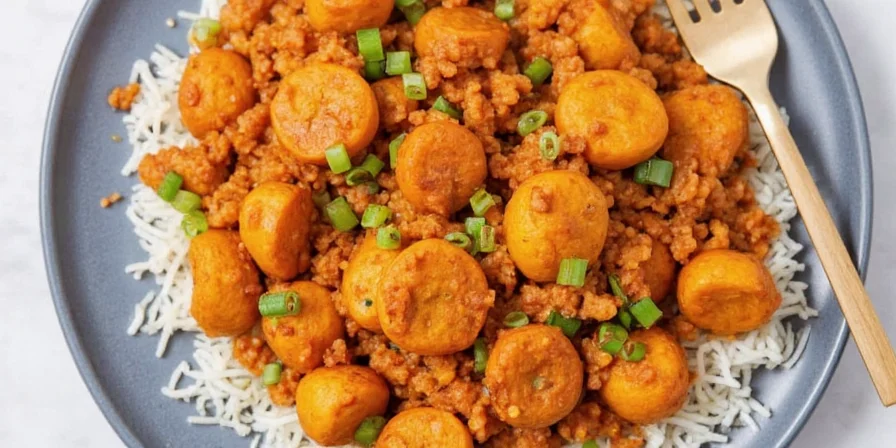
Side-by-side comparison of various Indian spice blends, including tikka misala.
Section 6: Making Your Own Tikka Misala at Home
Ready to take control of your spice destiny? Here’s a simple recipe to make your own tikka misala at home:
DIY Tikka Misala Recipe
- 2 tbsp ground cumin
- 1.5 tbsp ground coriander
- 1 tbsp Kashmiri red chili powder
- 1 tbsp garam masala
- ½ tsp fenugreek powder
- ½ tsp garlic powder
- ¼ tsp nutmeg (optional)
Mix everything thoroughly and store in an airtight container away from light and moisture. Shake well before each use.
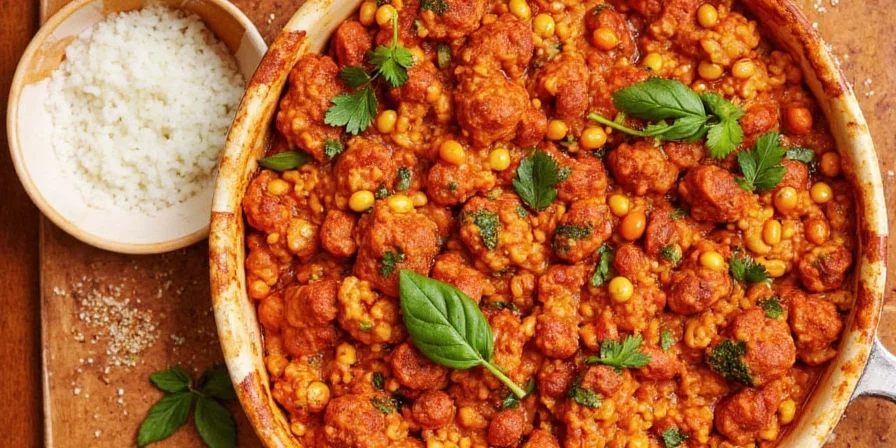
Crafted with care: homemade tikka misala stored in a glass jar.
Conclusion: Why Tikka Misala Deserves a Spot in Your Spice Rack
Tikka misala may not be the most famous spice blend in the world, but it’s definitely one of the most flavorful. Whether you’re grilling up weekend skewers, preparing for a dinner party, or just trying to add more zing to your life — tikka misala has got your back.
From its rich history rooted in global spice traditions to its ability to transform humble ingredients into something extraordinary, tikka misala is more than just a seasoning. It’s a culinary experience, a flavor journey, and frankly — a bit of kitchen magic.
So next time you reach for the spices, give tikka misala a chance. You might just discover your new favorite flavor adventure.
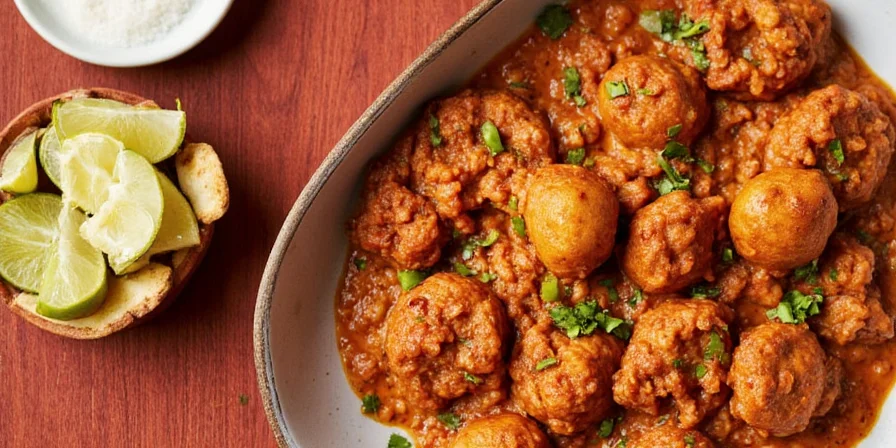
Golden, charred, and bursting with flavor — the ultimate tikka misala masterpiece.




 浙公网安备
33010002000092号
浙公网安备
33010002000092号 浙B2-20120091-4