

5 Fiery South African Spice Secrets That’ll Transform Your Kitchen Forever!
Whether you're a seasoned chef or a weekend curry connoisseur, the cuisine of South Africa is packed with spice-laden flavors that deserve a spot in your pantry. From the smoky warmth of peri-peri to the sweet complexity of Cape Malay spices, South African cuisine is a hidden gem in the global spice world.

Table of Contents
- A Quick Tour Through South African Spice Traditions
- Top 5 Must-Try Spices from South African Cuisine
- Spice Buying Guide: How to Choose Authentic South African Blends
- How to Use These Spices Like a Local Chef
- Spice Souvenirs: Where to Buy South African Flavors Online
- Final Thoughts: Why Every Pantry Needs a Touch of South African Heat
A Quick Tour Through South African Spice Traditions
South African cuisine is like a cultural melting pot on a plate — it's shaped by indigenous traditions, Dutch settlers, Indian traders, and Malay influences. This fusion has created some of the most vibrant and aromatic dishes around.
The spice profiles here are bold, earthy, and often punchy, with a love for smoked paprika, chilies, and aromatic seed blends. Whether you’re grilling meat like a true braai master or simmering a fragrant stew, the right spice can elevate the whole experience.

Top 5 Must-Try Spices from South African Cuisine
If you want to bring that African sun into your kitchen, here are five iconic spices and spice blends that every spice lover should try:
- Peri-Peri – A hot and citrusy chili blend from Portuguese-Mozambican influence
- Cape Malay Curry Powder – Sweet and savory with cloves, cinnamon, and cardamom
- Biltong Seasoning – For curing dried meats; includes vinegar, coriander, and pepper
- Samoera Masala – Unique to the Cape Malay community, perfect for curries and rotis
- Doro Bush Spice – Indigenous herb used in traditional stews and grilled meats

Spice Buying Guide: How to Choose Authentic South African Blends
Not all spice blends labeled as “South African” are created equal. Here’s how to make sure you’re getting the real deal:
| Spice | Key Ingredients | Use Cases | Best For |
|---|---|---|---|
| Peri-Peri | Chili peppers, lemon peel, garlic, salt | Grilled chicken, seafood, marinades | Heat lovers who enjoy a tangy kick |
| Cape Malay Curry | Cinnamon, clove, turmeric, cumin, nutmeg | Karoo lamb, bobotie, roti fillings | Those who enjoy sweet-spiced curries |
| Biltong Mix | Coriander seeds, black pepper, vinegar powder | Drying beef, jerky, game meats | Snack lovers and carnivores |
| Samoera Masala | Fennel, cumin, mustard seeds, ginger | Curried vegetables, fish, rice dishes | Vegetarian meals with depth |
| Doro Bush (Sage) | Dried indigenous sage leaves | Game meats, soups, fire-roasted veg | Chefs looking for wild, earthy notes |
Tips for Selecting Quality Spices
- Look for freshly ground or sealed blends — avoid anything dusty or overly clumpy
- Purchase from trusted brands that list country of origin and ingredients clearly
- Opt for organic and ethically sourced products where possible
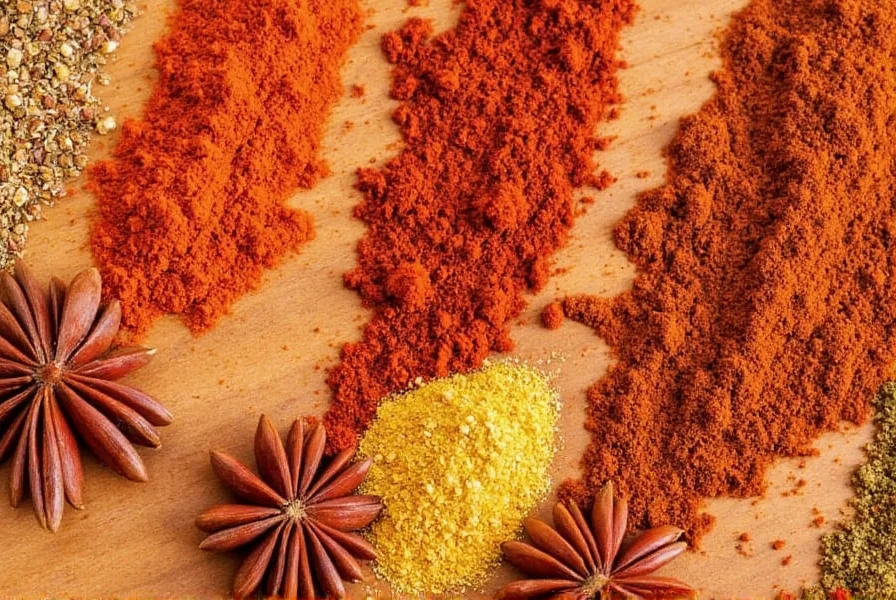
How to Use These Spices Like a Local Chef
You don’t need a passport to enjoy South African cuisine — just a few clever tricks! Here’s how to incorporate these spices into everyday cooking:
- Peri-Peri: Toss chicken wings in a mix of peri-peri and olive oil before roasting or grilling. Drizzle with lime juice for a fiery finish.
- Cape Malay Curry: Stir into lentil soups or add to chickpea curry for a rich, spiced backbone.
- Biltong Seasoning: Rub into strips of top sirloin before air-drying at home — no dehydrator needed!
- Samoera Masala: Toast briefly in a dry pan before adding to vegetable curries — it brings out the oils beautifully.
- Doro Bush: Crush dried leaves and sprinkle over lamb chops before roasting — adds a unique herbal warmth.
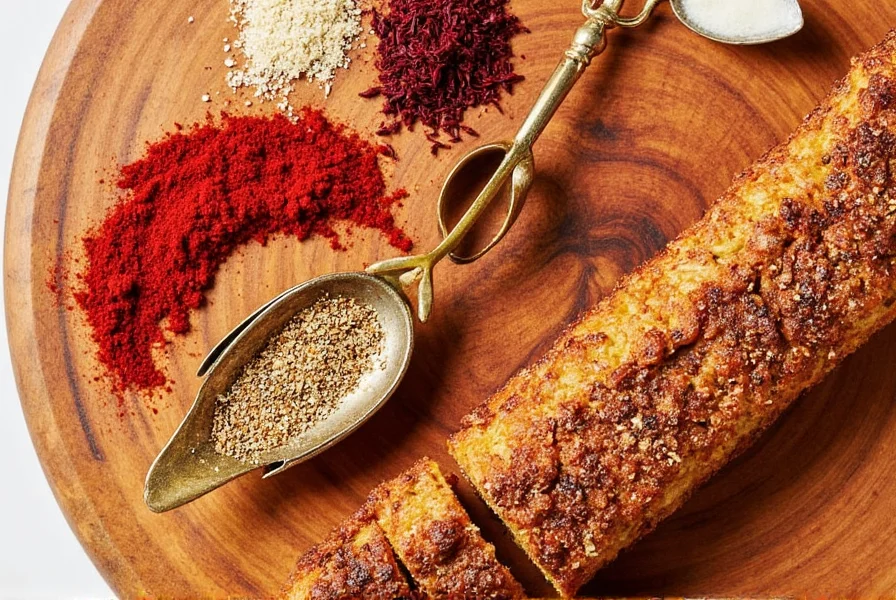
Spice Souvenirs: Where to Buy South African Flavors Online
Can’t visit Cape Town or Durban anytime soon? No problem! Many online retailers now offer authentic South African spice blends shipped worldwide. Here are some favorites:
- Peri-Peri Brands: Chilli Daddy, Nando’s (official range), The Fire Garden
- Cape Malay Curries: Gold label spice packs from Cape Herb & Spice
- Biltong Seasoning Kits: Jerky Lab, Biltong World
- Indigenous Herbs: Look for Doro Bush under bush tea collections or specialty South African markets
Pro tip: Try mixing and matching local and global flavors — think peri-peri on pizza, or Cape Malay spices in mac ‘n’ cheese!
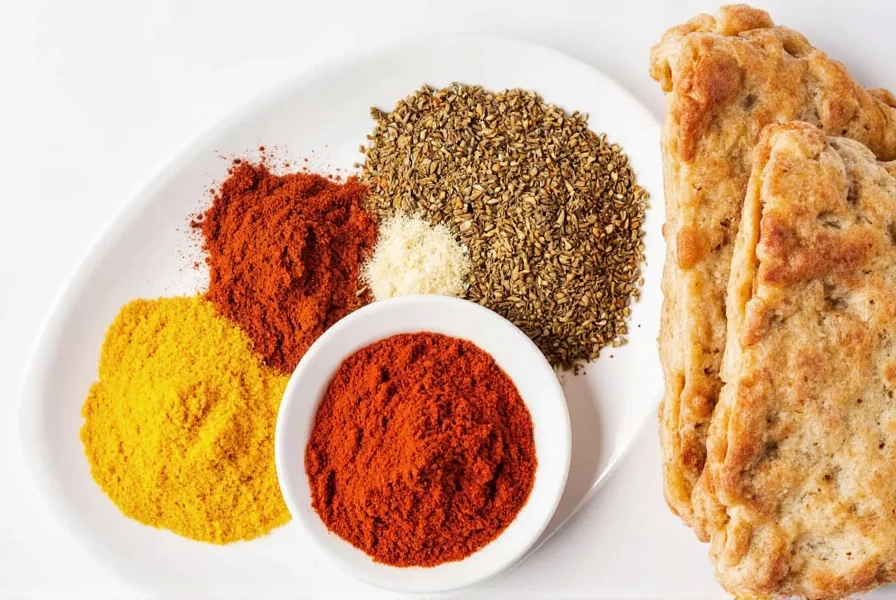
Final Thoughts: Why Every Pantry Needs a Touch of South African Heat
South African spices are more than just a culinary trend — they’re a passport to bold, balanced, and unforgettable flavors. Whether you're grilling up the perfect steak or simmering a soul-warming curry, adding a pinch of peri-peri or a scoop of Cape Malay magic can take your cooking to the next level.
So next time you reach for that tired old jar of generic curry powder, consider switching things up with a taste of Southern Africa. Trust us — your taste buds will thank you.




 浙公网安备
33010002000092号
浙公网安备
33010002000092号 浙B2-20120091-4