
Spice Up Your Life: Mastering Ras el Hanout with Flair
If you're diving into the world of Global Spice Traditions, there's one blend that should be on your radar—ras el hanout. But what makes this North African spice mix so special? And why does it have such an air of mystery and prestige? Let’s explore together!
Table of Contents
- What is Ras el Hanout?
- 10 Must-Know Tips to Use Ras el Hanout Like a Chef
- Common Myths Busted
- Ras el Hanout Recipes You’ll Want to Try Tonight
- Perfect Pairings: What Goes Well with Ras el Hanout?
- How to Buy or Make Your Own Ras el Hanout
- Storage Hacks: Keep That Flavor Alive
- Conclusion
What Exactly Is Ras el Hanout?
Ras el hanout literally means "top of the shop" in Arabic. It’s not just a spice—it’s a statement. Traders would create their most prized blend and call it ras el hanout to show off their finest work.
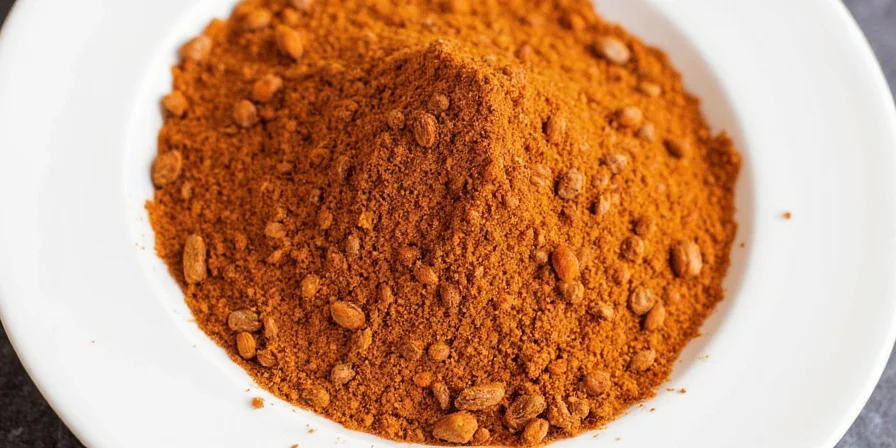
The blend varies by region, but common ingredients include:
- Cumin
- Coriander
- Paprika
- Nutmeg
- Cardamom
- Allspice
- Pepper
- Ginger
- Cinnamon
- And sometimes, even dried rose petals!
10 Must-Know Tips to Use Ras el Hanout Like a Chef
| # | Tip | Description |
|---|---|---|
| 1 | Taste First | Every blend is unique. Taste before adding to avoid overpowering your dish. |
| 2 | Add Early | Like most spice blends, it needs time to bloom. Add early in the cooking process. |
| 3 | Don’t Burn It | Toasting spices is great, but don’t let ras el hanout sit too long over high heat. |
| 4 | Try It Raw | In some Moroccan salads, a pinch is added at the end for freshness. |
| 5 | Balance Is Key | This blend can be complex. Balance with citrus, yogurt, or honey if needed. |
| 6 | Use in Marinades | Meat, tofu, or veggie kebabs all benefit from a spiced marinade. |
| 7 | Elevate Grains | Stir into couscous, rice, or quinoa for an instant flavor boost. |
| 8 | Mix with Oils & Pastes | Create a harissa-like paste or infused oil for drizzling. |
| 9 | Go Sweet | Yes, really! Try it in baked goods like spiced cookies or cakes. |
| 10 | Make It Yours | Customize the blend to suit your palate. That’s the true spirit of ras el hanout. |
Common Myths About Ras el Hanout – Busted!
- Myth #1: There’s only one official recipe.
Reality: Every family, vendor, and chef has their own version. - Myth #2: It’s always super spicy.
Reality: Most versions are aromatic, not hot. Heat level varies widely. - Myth #3: Only for lamb or tagines.
Reality: It pairs beautifully with everything from seafood to popcorn!
Delicious Ras el Hanout Recipes You Need to Try
- Ras el Hanout Roasted Chickpeas – Perfect snack or salad topper.
- Lamb Tagine with Apricots – The ultimate comfort dish.
- Harira Soup – A traditional Moroccan soup made magical with this blend.
- Spiced Popcorn – Movie night staple with a twist.
- Sweet Potato Fries Dust – Crispy, golden, and full of flavor.
Pairing Perfection: What to Combine with Ras el Hanout
This versatile spice plays well with many flavors. Here’s a quick cheat sheet:
| Flavor Profile | Great Pairings |
|---|---|
| Savory | Lamb, chicken, beef, lentils, chickpeas |
| Sweet | Dried fruits, honey, maple syrup, cinnamon |
| Fresh | Lemon zest, mint, parsley, yogurt, tahini |
| Crunchy | Almonds, pistachios, pita chips, toasted bread |
Where to Buy or How to Make Your Own Ras el Hanout
If you’re buying pre-made, look for freshly blended options from reputable spice shops or online retailers. Avoid supermarket blends—they often lack depth and complexity.
But here’s the fun part: making your own! Here’s a basic recipe to get started:
DIY Ras el Hanout Recipe
- 2 tbsp cumin seeds
- 2 tbsp coriander seeds
- 1 tbsp cardamom pods
- 1 tbsp cinnamon sticks
- 1 tsp nutmeg
- 1 tsp ginger powder
- 1 tsp allspice berries
- 1 tsp black peppercorns
- Optional: ½ tsp dried rose petals
- Toast whole spices in a dry pan until fragrant.
- Let cool completely.
- Grind finely using a spice grinder.
- Store in an airtight container away from light.
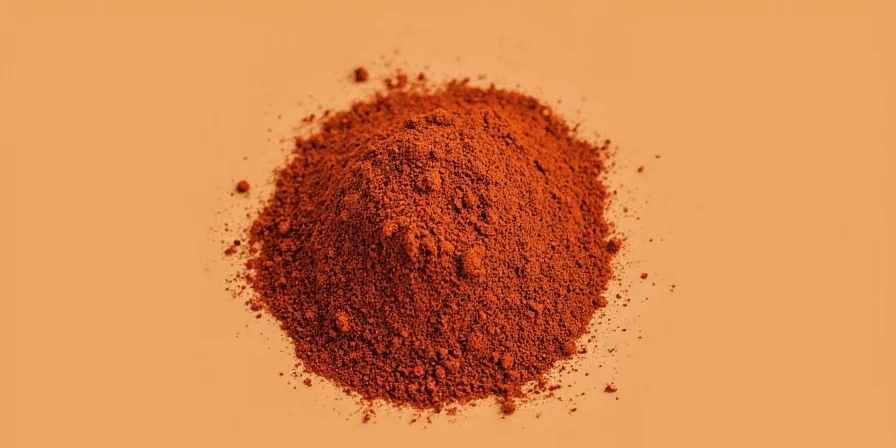
Keep It Fresh: Storage Hacks for Long-Lasting Flavor
Ras el hanout is a treasure—you want to keep it tasting its best. Follow these storage tips:
- Use airtight containers – Mason jars or tins work best.
- Keep in a cool, dark place – Sunlight degrades flavor fast.
- Label and date your jars – Helps track freshness and blend variations.
- Avoid moisture – Spice blends can clump or mold if exposed to humidity.
Final Thoughts: Embrace the Magic of Ras el Hanout
Ras el hanout isn't just another spice—it's a culinary tradition wrapped in aroma, history, and personal flair. Whether you buy it or make your own, remember: the real secret lies in how you use it.
So go ahead, experiment, taste boldly, and don’t be afraid to tweak your blend. After all, the “top of the shop” should reflect your style!
Ready to elevate your kitchen game? Grab your favorite blend and start cooking up something wonderful tonight.




 浙公网安备
33010002000092号
浙公网安备
33010002000092号 浙B2-20120091-4