
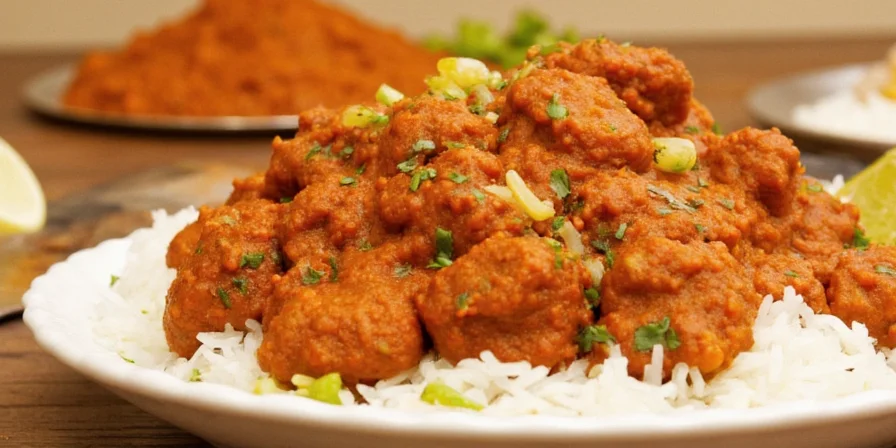
Tikka Masala vs Butter Masala: The Great Indian Curry Showdown – Which One Reigns Supreme?
Table of Contents
- Introduction: Why This Rivalry Matters
- Origins: From Tandoor to Global Fame
- The Big Breakdown: What Separates Them?
- Spice Spotlight: What’s in Your Masala?
- Chef’s Tips: How to Master Both at Home
- Pairings & Serving Suggestions
- Conclusion: So, Which Should You Choose?
Introduction: Why This Rivalry Matters
Picture this: you're at your favorite Indian restaurant, scanning the menu like it's a treasure map. Two dishes jump out—Chicken Tikka Masala and Chicken Butter Masala. They both look creamy, aromatic, and downright delicious.
But here’s the twist: they’re not the same. Not even close. One has its roots in fire-grilled meats and smoky tandoors; the other is all about velvety richness and indulgence.
Welcome to the ultimate spice face-off: Tikka Masala vs. Butter Masala. Let’s dive in and find out which one deserves your culinary love.
Origins: From Tandoor to Global Fame

Let’s start with a little history lesson. These two curries might share a continent, but their stories couldn’t be more different.
Chicken Tikka Masala: A Royal Mystery
- Some say it was born in Britain when a chef from Bangladesh whipped up a saucy solution for dry grilled chicken.
- Others trace its roots back to Punjabi cuisine, where “tikka” means small pieces, and the masala is the magic spice blend that makes everything better.
Chicken Butter Masala: India’s Rich Kid
- Born in North India, specifically Punjab, Butter Masala was crafted for royalty and food lovers alike.
- The dish leans heavily on dairy: butter, cream, and tomatoes form its luxurious backbone.
The Big Breakdown: What Separates Them?
| Feature | Chicken Tikka Masala | Chicken Butter Masala |
|---|---|---|
| Base | Tomato-onion gravy with yogurt-marinated chicken | Tomato-butter-cream sauce |
| Cooking Style | Grilled (tandoor) then simmered in sauce | Sauteed and slow-cooked in rich sauce |
| Texture | Chunky, slightly smoky | Smooth, silky, and rich |
| Heat Level | Mild to medium | Mild |
| Signature Ingredient | Yogurt marinade + tandoori smoke | Butter and cream |
Spice Spotlight: What’s in Your Masala?
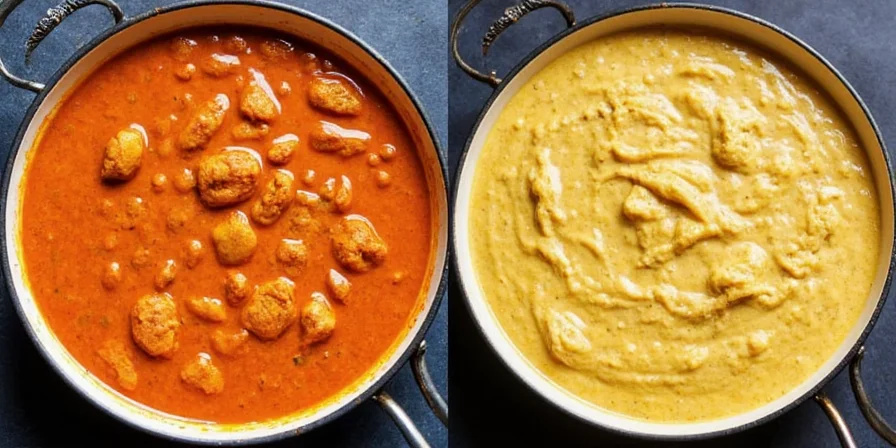
Let’s get down to the nitty-gritty: the spices. Because really, isn’t that what we’re all here for?
Common Spices in Both Dishes:
- Garam Masala
- Kashmiri Red Chili Powder (for color, not heat)
- Turmeric
- Cumin & Coriander
- Fenugreek (a tiny pinch goes a long way!)
Where They Diverge:
- Tikka Masala: Yogurt-based marinade adds tanginess and tenderness. Some recipes include lemon juice or vinegar for extra zing.
- Butter Masala: Cashew paste is often used to thicken the sauce and add richness without overpowering the flavor.
Chef’s Tips: How to Master Both at Home
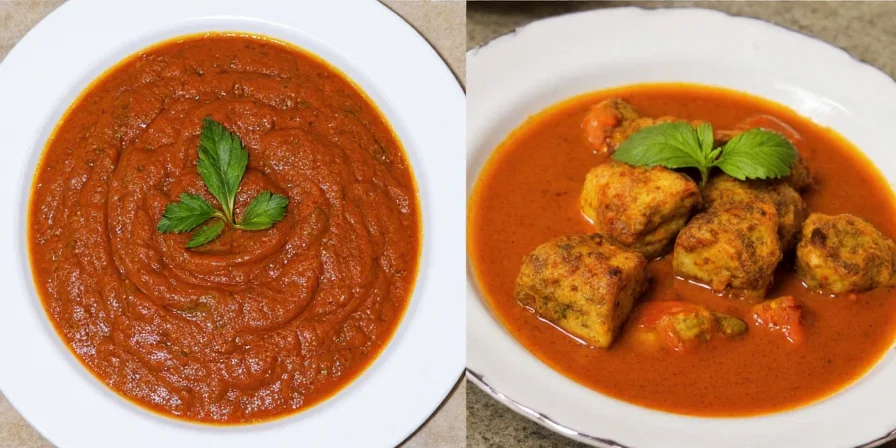
Ready to bring these iconic curries into your kitchen? Here are some tried-and-true pro tips from our spice-loving chef squad:
For Tikka Masala Perfection:
- Marinate Overnight: Let your chicken sit in yogurt and spices for at least 8 hours. The longer, the better!
- Use a Broiler or Grill: Mimic the tandoor effect using your oven broiler or outdoor grill.
- Add Kasuri Methi (Dried Fenugreek Leaves): Crush a few leaves before finishing the curry for an earthy depth.
- Don’t Overcook the Gravy: Keep it just thick enough to coat the chicken chunks beautifully.
For Creamy Butter Masala Magic:
- Simmer Low and Slow: Letting the sauce reduce gently builds layers of flavor.
- Toast the Spices First: Dry-roast your cumin, coriander, and garam masala for a fragrant base.
- Add Heavy Cream at the End: Stir it in right before serving for silkiness that doesn’t break.
- Butter is Non-Negotiable: Use real unsalted butter for that melt-in-your-mouth finish.
Pairings & Serving Suggestions
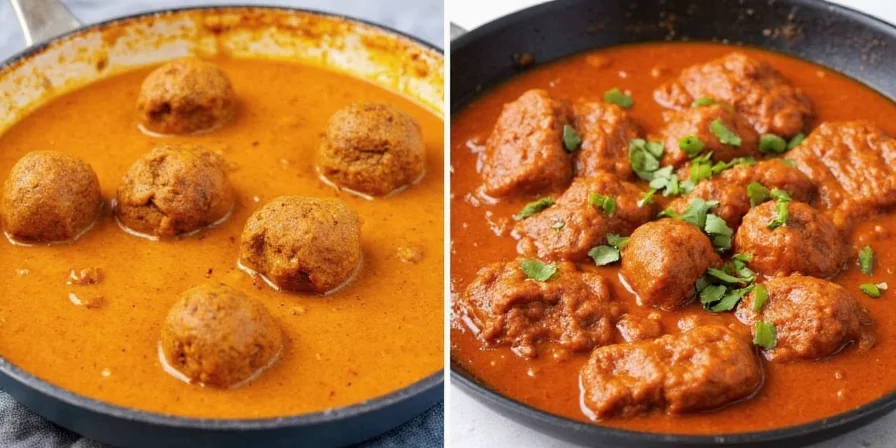
Both dishes deserve to be celebrated with the perfect sidekick. Here’s how to build the ultimate plate:
- Rice Pairings:
- Jeera Rice (cumin rice) complements both curries.
- Saffron Basmati elevates the dining experience to royal status.
- Bread Choices:
- Garlic Naan is a match made in heaven.
- Roomali Roti adds fun and flair (perfect for scooping!).
- Side Dish Ideas:
- Pickled Onions or Mango Chutney for tangy contrast.
- Boondi Raita to cool things down after every bite.
Conclusion: So, Which Should You Choose?
Alright, time for the final verdict. It’s not about choosing a winner—it’s about finding your mood.
Go for Tikka Masala If:
- You love a bit of char and smokiness.
- You want something slightly tangy and full of texture.
- You’re grilling or using a broiler and craving authenticity.
Opt for Butter Masala If:
- You’re in the mood for pure comfort food.
- You want something smooth, rich, and utterly satisfying.
- Your palate leans toward mild, creamy flavors.
Whichever you choose, remember: you can never go wrong with spice. Whether you’re team tandoor or team tender, these curries are proof that sometimes, life’s best answers come in tomato-red bowls.
Now grab your apron, pick your champion, and let the spice wars begin!




 浙公网安备
33010002000092号
浙公网安备
33010002000092号 浙B2-20120091-4