
Table of Contents
- Introduction
- Understanding the Rib Membrane Problem
- Why Does the Membrane Stick?
- Top 5 Tips to Remove Stubborn Rib Membranes
- Spice Hacks for Better Flavor After Dealing with the Membrane
- How to Store Your Rubs & Spices for Maximum Shelf Life
- Buying Guide: Best Tools & Spice Racks for BBQ Enthusiasts
- Conclusion
Introduction
If you've ever tried to peel the membrane off a rack of ribs and found it stubbornly clinging on like it was fused to the bone, you're not alone. Many home cooks and even seasoned pitmasters have faced this issue. The rib membrane — also known as silverskin — can be a real pain when it doesn’t want to come off.
In this article, we'll tackle the mystery behind the "rib membrane won't come off" problem head-on. We’ll walk you through the science, share expert removal techniques, and spice things up with flavor hacks and storage tips that every BBQ lover should know.
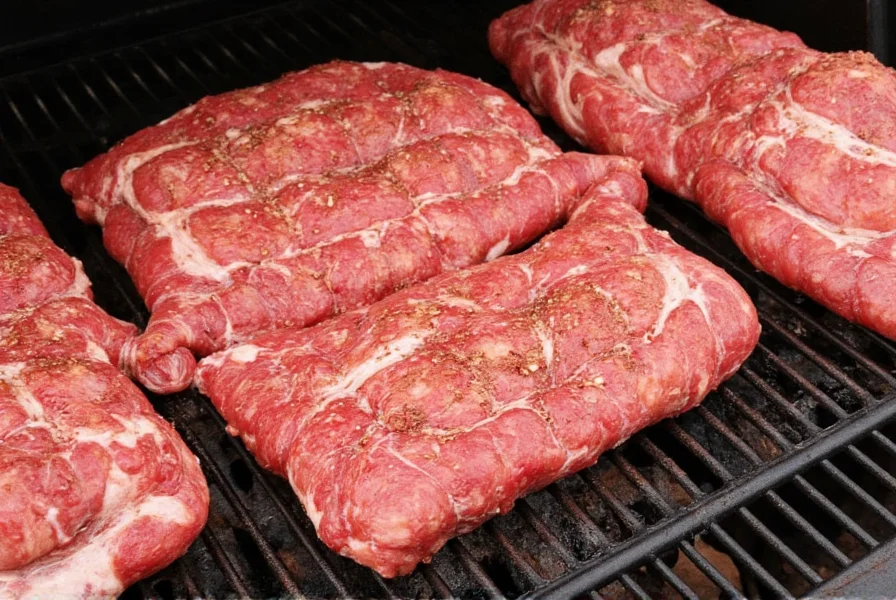
Understanding the Rib Membrane Problem
The rib membrane is a thin, silvery layer covering the back of the bones in pork or beef ribs. It's often left on by butchers because it’s not harmful — but when cooking low and slow, this membrane can become tough, chewy, and a barrier to flavor absorption.
While removing it usually improves tenderness and allows seasonings to penetrate, sometimes the membrane just won't budge. This can be frustrating, especially when you're prepping for a cookout or trying your hand at competitive-style ribs.
Why Does the Membrane Stick?
There are several reasons why the rib membrane might refuse to peel off easily:
- Frozen ribs: If the ribs were previously frozen, moisture can cause the membrane to fuse more tightly to the bone.
- Old meat: As meat ages, connective tissues begin breaking down differently, which may result in membranes adhering more firmly.
- Poor handling: Improper thawing or rough handling during transport can affect how the membrane behaves during prep.
- Breed or cut variation: Some types of pork (like heritage breeds) or cuts may naturally have tougher membranes.
Top 5 Tips to Remove Stubborn Rib Membranes
Don't give up yet! Try these clever tricks when the rib membrane won't come off:
- Use a Paper Towel Grip Trick
Grab a corner of the membrane with a paper towel for better grip. The friction helps you get under it and pull it off smoothly. - Freeze Then Thaw Slightly
If the ribs are still firm but starting to defrost, the membrane becomes easier to lift. Let them sit out for 30 minutes before peeling. - Blanch First (Quick Dip)
Dip the ribs in boiling water for 10–15 seconds. This softens the membrane without cooking the meat, making it easy to peel. - Slit and Lift Technique
If it won't come off in one piece, make small slits with a knife and peel sections at a time. - Steam It Off (Bonus Hack)
Place the ribs over a steamer for 1–2 minutes. The heat loosens the membrane, letting you peel it off effortlessly.
Spice Hacks for Better Flavor After Dealing with the Membrane
Once the membrane is gone (or partially removed), it's time to amp up the flavor! Here are some top-notch spice hacks:
- Rub It Right: Apply your dry rub generously and let it rest overnight in the fridge. This gives flavors time to penetrate deeply.
- Add Apple Cider Vinegar Spray: Mix equal parts vinegar and water and spray between layers while cooking to keep ribs moist and flavorful.
- Try Regional Rub Variations: Go Memphis-style with paprika-heavy blends, Kansas City with brown sugar-based mixes, or Texas with bold pepper profiles.
| Spice Blend | Main Ingredients | Best For |
|---|---|---|
| Memphis Style | Paprika, garlic, onion powder, cayenne | Mild, smoky flavor lovers |
| Kansas City Style | Brown sugar, chili powder, mustard, salt | Sweet & spicy combo fans |
| Texas Style | Black pepper, salt, garlic, cumin | Meat purists who love simplicity |
How to Store Your Rubs & Spices for Maximum Shelf Life
Want your spice blends to stay fresh and potent? Here’s how to store them like a pro:
- Air-Tight Jars: Use glass jars with tight lids to prevent moisture and oxygen from dulling flavors.
- Dark Cabinet Storage: Keep spices away from sunlight to preserve color and potency.
- Label Everything: Clearly mark dates and blend names to avoid confusion later.
- Freeze Bulk Blends: If you mix large batches, portion them into ziplock bags and freeze to extend shelf life.
Buying Guide: Best Tools & Spice Racks for BBQ Enthusiasts
To elevate your rib game and spice organization, consider investing in these must-have tools:
| Product | Description | Advantages | Target Audience | Price Range |
|---|---|---|---|---|
| OXO Good Grips Dry Spice Mill | Adjustable grinder for whole spices | Easy grinding, ergonomic design | Home cooks & pros alike | $15–$25 |
| CheaprEats Spice Rack | Rotating vertical rack with clear labels | Space-saving, easy access | Beginners to intermediate users | $20–$40 |
| ThermoPro Digital Meat Thermometer | Instant-read thermometer for perfect doneness | Accurate readings, durable | All BBQ enthusiasts | $15–$30 |
| Honeywell Kitchen Timer | Sturdy, analog kitchen timer | Reliable, loud beep, long-lasting | Traditionalists & multitaskers | $10–$15 |
| Williams Sonoma Ceramic Spice Jars | Stackable, labeled ceramic containers | Elegant look, freshness-preserving seal | Design-focused cooks | $40–$70 |
Conclusion
So next time the rib membrane won't come off, don’t panic! With a few smart techniques and the right tools, you’ll have those ribs prepped and ready for maximum flavor infusion. Whether you're a weekend warrior or a competitive pitmaster, understanding how to handle this tricky little detail can make all the difference in texture and taste.
And remember, once the membrane is dealt with, your spice strategy is just as important. Invest in quality spice storage solutions and experiment with regional rubs to take your BBQ game to the next level. Now go fire up that grill — those perfect ribs are waiting!




 浙公网安备
33010002000092号
浙公网安备
33010002000092号 浙B2-20120091-4