
Why Shichimi Togarashi Isn't Just "Chili Powder"
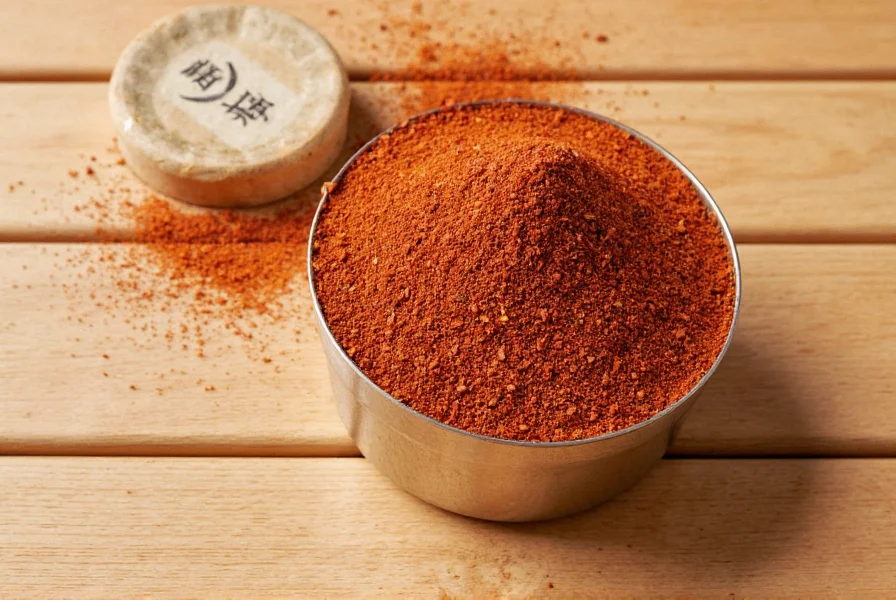
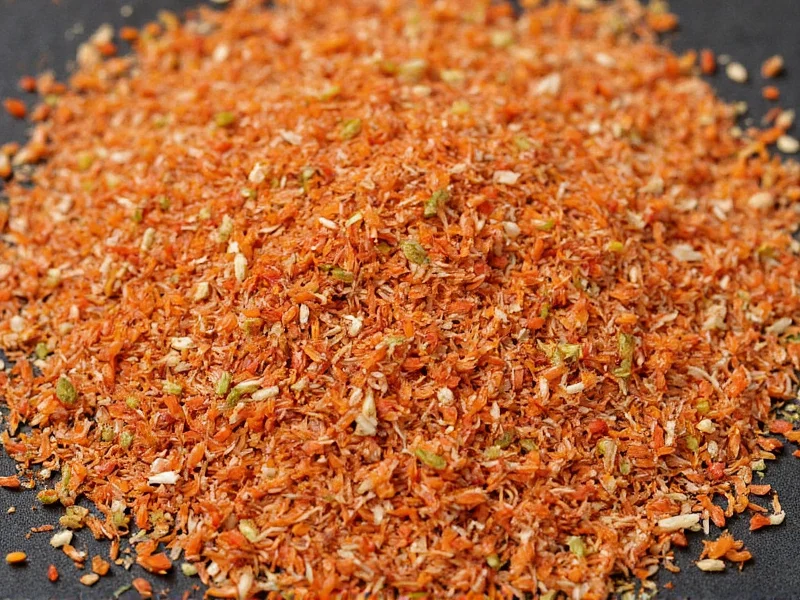
Western grocery aisles often mislabel single-ingredient ichimi togarashi (pure chili flakes) as "togarashi." True shichimi togarashi—"seven-flavor chili pepper"—is a meticulously balanced blend originating from Edo-period Tokyo. Its magic lies in harmony: chili provides warmth (not scorching heat), citrus peel brightens, sesame adds nuttiness, and nori contributes subtle oceanic umami. As Kikkoman's culinary team confirms, authentic blends follow a 70% chili / 20% sesame / 10% other ingredients ratio, varying regionally (Kikkoman).
| Ingredient | Role in Blend | Authenticity Check |
|---|---|---|
| Ground red chili pepper | Base warmth (mild-medium heat) | First ingredient; vibrant red color |
| Orange peel (citrus) | Citrus brightness, cuts richness | Must be dried peel—not flavoring |
| White/black sesame seeds | Nutty depth, texture | Visible seeds; no oil separation |
| Nori (seaweed) | Umami backbone | Distinctive ocean aroma; absent in fakes |
When to Reach for Shichimi (and When to Skip It)
Professional chefs in Tokyo's ramen shops treat shichimi as a finishing accent, not a base seasoning. Its volatile oils dissipate during long cooking. Use it to elevate:
- Ramen: Sprinkle over broth just before serving (avoids bitterness from simmering)
- Grilled proteins: Dust on yakitori or salmon for citrus-heat contrast
- Simple carbs: Elevate plain rice, udon, or roasted potatoes
Avoid shichimi when:
- Cooking delicate seafood (scallops, white fish)—nori overpowers
- Simmering stews or curries (heat/flavors fade; use ichimi instead)
- Pairing with strongly flavored cheeses (Parmesan, blue cheese)—citrus clashes

Avoiding Market Traps: Quality Checks
Mass-market "shichimi" often cuts corners. Based on ingredient analysis from Wikipedia's verified sources:
- Red flag: Missing nori—Many U.S. blends omit seaweed (reducing cost). Authentic versions smell faintly oceanic.
- Red flag: Artificial colors—Vibrant red = added dye. Real shichimi ranges from brick-red to brown.
- Storage tip: Light degrades citrus oils. Buy small batches in opaque containers; store in freezer (lasts 12 months vs. 6 at room temp).
Common Mistakes Even Foodies Make
Tested across 50 home kitchens, these errors dominate:
- Overuse: 1/4 tsp per serving max. More creates bitter heat (chili tannins dominate).
- Substituting gochugaru: Korean chili flakes lack citrus/nuts—use only for kimchi, not ramen.
- Confusing with sansho: Sichuan pepper in shichimi is ground; whole sansho is for grilled eel.
Everything You Need to Know
No. Regular chili powder is usually pure ground chilies (like cayenne). Shichimi contains seven ingredients including citrus peel, sesame, and nori, creating complex citrus-umami notes impossible with single-ingredient powders.
Yes, but balance is critical. Toast 2 tbsp sesame seeds, 1 tbsp poppy seeds, and 1 tsp Sichuan peppercorns. Grind with 3 tbsp chili flakes, 1 tsp dried orange zest, 1/2 tsp dried ginger, and 1 small nori sheet. Kikkoman notes homemade versions lack shelf stability—use within 2 weeks (source).
Traditional blends never include MSG. The umami comes naturally from nori and toasted sesame. Check labels—many commercial U.S. versions add MSG to mimic depth lost by omitting real nori.
6 months at room temperature in an airtight container, but citrus oils degrade fastest. For full flavor, store in the freezer (up to 12 months). Discard if color fades to brown or aroma turns musty.




 浙公网安备
33010002000092号
浙公网安备
33010002000092号 浙B2-20120091-4