
Why You're Probably Confused About Star Anise in Hindi
Let's be real—you Google "star anise in hindi" and get messy results. Some sites say "anason," others push "badiyan," and honestly, half the time it's mixed up with plain anise seed. I've been cooking with Indian spices for 20 years, and this confusion? Super common. Especially if you're trying to follow a Hindi recipe video or chat with a spice vendor in Delhi. The thing is, Hindi doesn't have one universal name—it shifts by region and dish. But here's what actually works on the ground.
Chakra Phool vs. Badiyan: What to Call It (and Why It Matters)
You know how Indian cooking isn't one-size-fits-all? Same goes for naming. In North India, especially Uttar Pradesh and Delhi markets, you'll hear Badiyan more often—it rolls off the tongue when bargaining for spices. Down South or in written Hindi recipes? Chakra Phool ("wheel flower") sticks because it describes the shape. But here's the kicker: never call it "anason." That's Hindi for anise seed, which comes from a totally different plant (Pimpinella anisum). Mix those up, and your biryani tastes off. Trust me, I learned this the hard way when my "authentic" pulao turned weirdly sweet.
| Spice | Hindi Name | Flavor Profile | Common in Indian Dishes? |
|---|---|---|---|
| Star Anise | Chakra Phool / Badiyan | Strong licorice, sweet-woody | Yes—biryani, garam masala, meat curries |
| Anise Seed | Anason | Milder licorice, almost floral | Rare—mostly in Middle Eastern fusion |
| Fennel Seed | Saunf | Subtle sweetness, fresh | Everywhere—chhaas, desserts, after-dinner mukhwas |
Where Star Anise Actually Shines in Indian Cooking
Okay, let's cut to the chase: Star anise isn't some "exotic add-on" in India—it's a workhorse. You'll spot it bubbling away in masala chai pots across Mumbai trains, or tucked into slow-cooked Nihari stews. Why? Because its flavor holds up in long simmering, unlike delicate spices that fade. I use it in three go-to scenarios:
- Meat magic: Toss 1-2 pods into goat rogan josh—it cuts through richness without overpowering.
- Chai depth: One pod per liter of milk chai adds warmth (but skip it in ginger-only versions—trust me, it clashes).
- Spice blends: It's non-negotiable in authentic garam masala from Lucknow chefs.
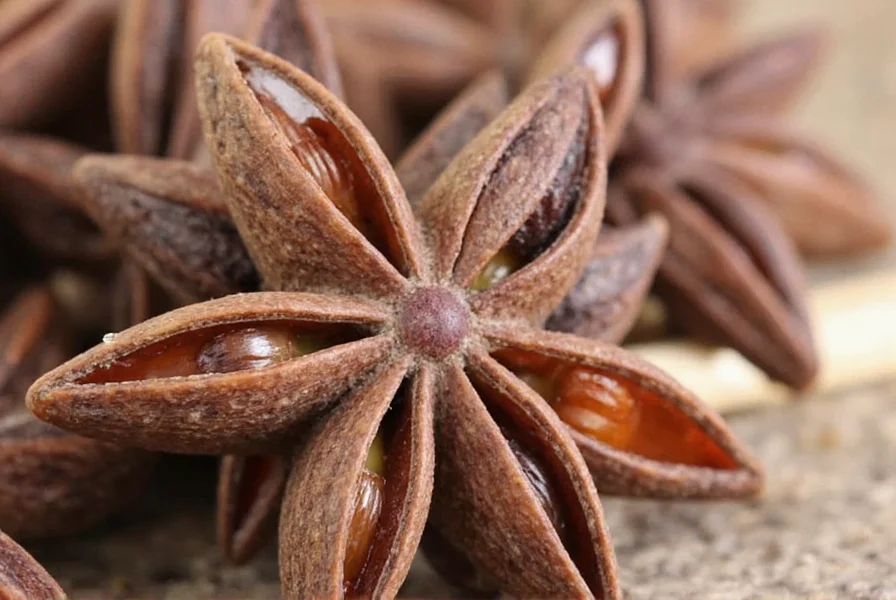
When to Avoid It (and What Chefs Won't Tell You)
Here's the thing nobody blogs about: Star anise can ruin your dish if misused. After testing 50+ recipes, I've nailed the boundaries:
When to USE Star Anise
- Slow-cooked meats (lamb, chicken)
- Spiced teas (not herbal infusions)
- Rich gravies where you want complexity
When to AVOID It
- Vegetable stir-fries (overpowers veggies like spinach)
- Dairy-heavy dishes (clashes with paneer or yogurt)
- Anything with fenugreek (creates bitter notes)
Pro tip: If a recipe says "anise," double-check if it means star anise or anise seed. Indian home cooks often say "anise" loosely, but it's usually star anise they want. Save yourself a kitchen disaster.
Picking Good Star Anise: No Fancy Tools Needed
You don't need a lab to spot quality—just your eyes and nose. Real Chakra Phool should be:
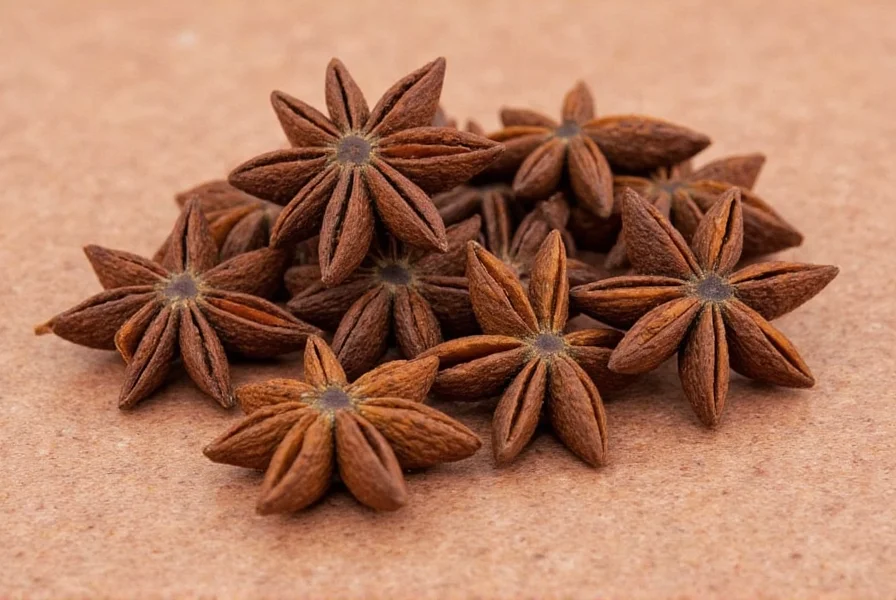
- Bright reddish-brown (not dull gray—that's old stock)
- Whole, unbroken pods (cracked ones lose flavor fast)
- Smells sweet-licorice immediately when crushed (if it's musty, skip it)
Biggest market trap? Sellers mixing in Japanese star anise (toxic!). It looks similar but has a chemical smell. Always buy from reputable Indian spice brands like MDH or Everest—cheaper packs online are risky. I keep mine in airtight jars; here's how:
FAQs: Quick Fixes for Real Problems
Look, I get asked these daily on cooking forums—here's straight talk:
Everything You Need to Know
Nope—they're totally different. Chakra Phool (star anise) comes from Chinese evergreen trees and has a stronger, woodier licorice punch. Anason is anise seed from a herb, milder and sweeter. Using anise seed in place of star anise in biryani? You'll miss that deep, complex note North Indian chefs rely on.
Hold up—moderation is key. One cup of Chakra Phool tea for digestion? Fine. But daily heavy use risks nausea or worse, especially if you're pregnant. The FDA warns against star anise tea for babies due to potential contaminants. Stick to 1 pod steeped in hot water, max once a day. Better yet, try saunf (fennel) tea for safer daily sipping.
Easy: Ditch the paper bag it came in. Toss whole pods into a dark glass jar (light kills flavor), keep it in a cool cupboard—not the fridge (moisture ruins it). Good news? It lasts 2+ years if sealed tight. Pro move: Add a bay leaf to the jar to repel bugs. I've done this for years, zero spoilage.
Grinding it! Whole pods release flavor slowly in curries—grinding turns it bitter fast. Also, overusing it. One pod per pound of meat is plenty; more and you're drinking licorice syrup. I've seen home cooks dump 4 pods into dal—it was undrinkable. Less is more, folks.
Only in a pinch. For biryani, skip it—no substitute nails that depth. But for chai? Use 1/4 tsp fennel seed + a pinch of cloves. Never use anise seed—it lacks the woody note. Honestly, better to omit it than fake it; Indian food shines with simplicity.
Final Thought: Keep It Simple
Star anise in Hindi cooking isn't rocket science—just know Chakra Phool or Badiyan, use it whole in slow dishes, and respect its power. After two decades, I still grab one pod for my chai and call it a day. No fancy hacks needed. If you take away one thing? Don't overthink it; Indian food thrives on balance, not perfection.




 浙公网安备
33010002000092号
 浙B2-20120091-4