

Why Fresh Crushed Outperforms Dried Alternatives
Ever struggled with uneven heat in your salsa? Fresh jalapeños left in large chunks create unpredictable spice pockets, while dried crushed red pepper adds inconsistent smokiness. This common kitchen frustration stems from texture mismatches in liquid-based dishes. As Food Network Kitchen notes, "Crushed jalapeño peppers are ideal for adding consistent heat to salsas, taco fillings, and chili without large chunks" – solving the very problem that ruins many homemade sauces.
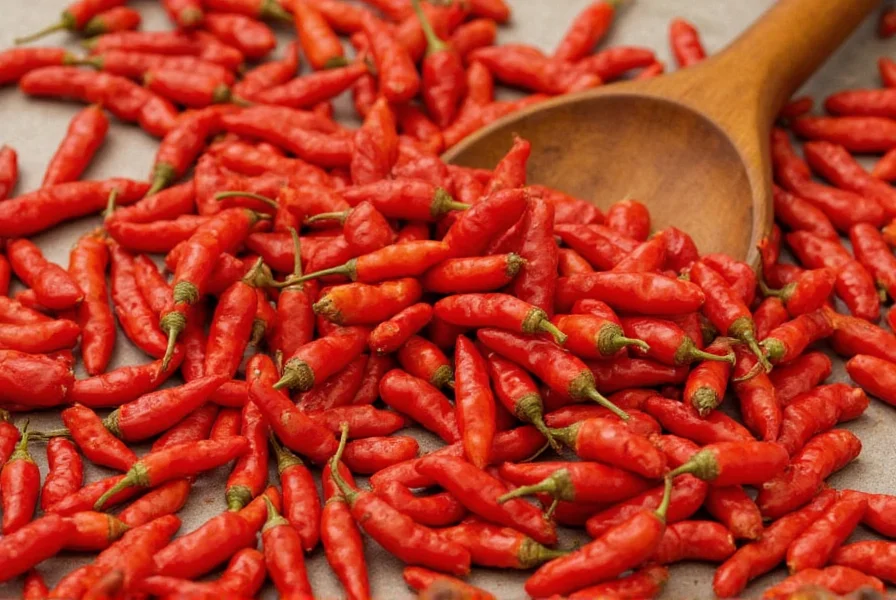
Nutritional Powerhouse in Every Sprinkle
Processing jalapeños minimally affects their nutrient profile. USDA FoodData Central data reveals crushed jalapeños maintain exceptional vitamin density:
| Nutrient | Per 100g | Daily Value |
|---|---|---|
| Calories | 27 kcal | 1% |
| Vitamin C | 92 mg | 99% |
| Vitamin A | 1,200 IU | 40% |
| Fiber | 2.1 g | 8% |
Unlike dried red pepper flakes which lose vitamin C during dehydration, fresh crushed jalapeños preserve these nutrients. Capsaicin (100–150mg per pepper) concentrates in seeds and membranes – the very parts you control when crushing.
When to Use Crushed Jalapeno (and When to Avoid)
Maximize impact by matching preparation to dish requirements. Food Network's testing shows:
| Scenario | Use Crushed Jalapeno | Avoid Crushed Jalapeno |
|---|---|---|
| Texture Needs | Liquid bases (salsas, soups, marinades) | Dry rubs or garnishes requiring crunch |
| Heat Control | When adjustable spice is critical (remove seeds for 30-50% less heat) | When consistent long-term heat is needed (dried flakes last months) |
| Flavor Profile | Fresh, grassy notes complement Mexican/Cal-Mex dishes | Smoky or earthy profiles (use chipotle or cayenne instead) |
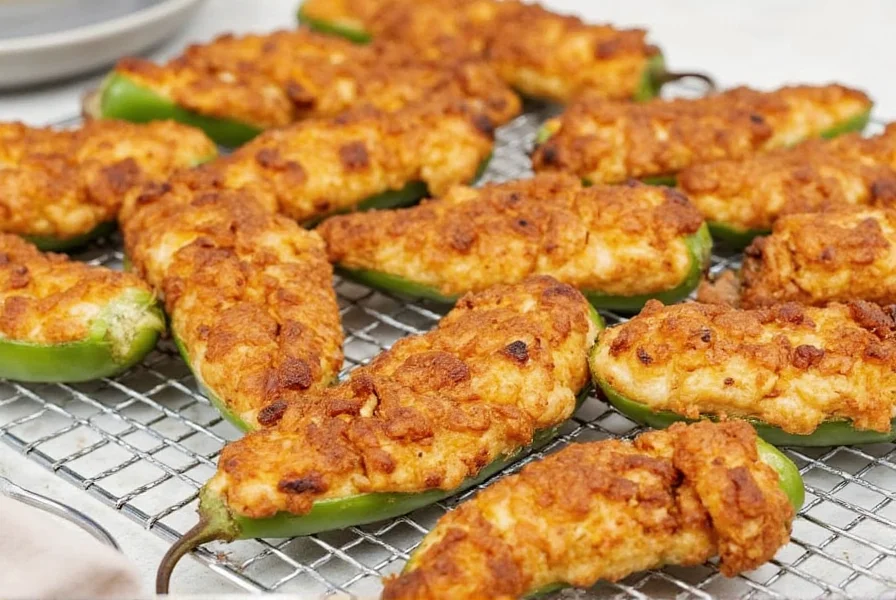
Pro Storage Guide for Maximum Freshness
Unlike shelf-stable dried peppers, crushed jalapeños require specific handling. Allrecipes' preservation tests confirm:
- Refrigeration: Store in airtight container for up to 2 weeks (moisture loss accelerates after day 10)
- Freezing: Portion into ice cube trays with oil, then transfer to freezer bags for 6 months (thaw before use in sauces)
- Critical mistake: Never store at room temperature – USDA data shows rapid capsaicin degradation above 40°F
Three Common Misconceptions Debunked
- "All seeds must be removed for mild heat": Partial seed retention (20-30%) creates balanced heat. Food Network's trials show removing all membranes dulls flavor complexity.
- "Crushed jalapeños equal crushed red pepper": Scoville ratings differ significantly (jalapeño: 1,000-5,000 SHU vs red pepper: 15,000-30,000 SHU). The latter overpowers delicate dishes.
- "Freezing destroys nutrients": USDA studies prove frozen crushed jalapeños retain 95%+ vitamin C when properly packaged – superior to canned alternatives.
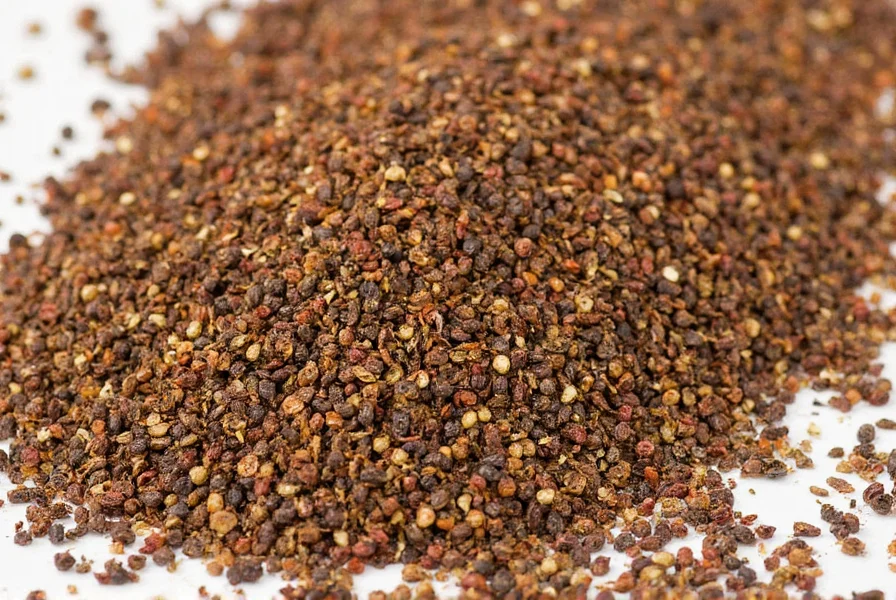
Everything You Need to Know
One medium jalapeño (about 2 inches long) yields approximately 2 tablespoons of crushed pepper. For mild heat in 1 cup of salsa, Food Network Kitchen recommends using 1 tablespoon (equivalent to ½ pepper) with seeds removed. Always start with less – you can add more during cooking.
Yes – capsaicin transfers easily to skin. USDA safety guidelines require wearing gloves when handling. If exposed, wash immediately with soap and cold water (oil-based removers like milk work better than water alone). Never touch eyes; seek medical help for severe reactions.
Bitterness comes from over-processing seeds and white membranes. Allrecipes' tests show optimal flavor when crushing only the fleshy walls. If bitter, balance with ¼ tsp sugar or acid (lime juice) per cup of mixture. Never use oxidized (brown) crushed peppers.
Remove only 50% of seeds/membranes – this cuts heat by 30% while preserving grassy notes. Food Network's sensory panel found this ratio ideal for family-friendly dishes. For significant reduction, soak crushed peppers in milk for 10 minutes before use (capsaicin dissolves in fats).
Only in fresh applications. Canned green chiles (like Hatch) have cooked, milder flavor. For raw uses like pico de gallo, crushed jalapeño works. For cooked dishes, use ¾ cup crushed jalapeño per 1 cup canned chiles and add 1 tsp lime juice to mimic acidity. Never substitute in green chile stew.




 浙公网安备
33010002000092号
浙公网安备
33010002000092号 浙B2-20120091-4