
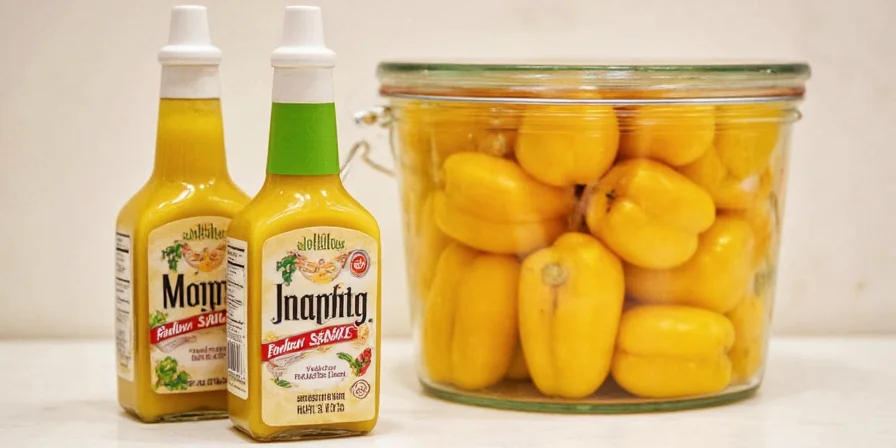
Yellow Pepper Sauce Storage: Complete 2025 Safety & Longevity Guide
According to USDA Food Safety and Inspection Service guidelines, yellow pepper sauce must be refrigerated after opening to prevent microbial growth and maintain chemical stability. Unopened commercial sauces last 1-2 years in cool, dark pantries (below 70°F/21°C), while opened bottles require refrigeration below 40°F (4°C) for 6-12 months. Homemade varieties without preservatives should be consumed within 4-6 weeks refrigerated due to botulism risks in low-acid preparations.
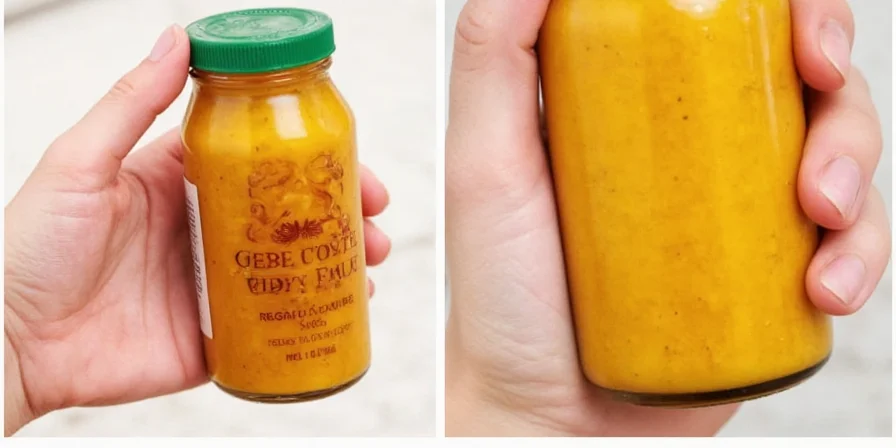
Table of Contents
- Storage Fundamentals: Temperature & Shelf Life
- Critical Context Boundaries: When Guidelines Apply
- Storage Guideline Evolution Timeline (2010-2025)
- Optimal Pantry Placement for Unopened Bottles
- Post-Opening Refrigeration Protocols
- Safe Mixing Techniques to Prevent Oxidation
- Airtight Container Selection for Homemade Sauce
- Essential Labeling Practices
- Unexpected Culinary Applications
- Flavor-Boosting Mix-Ins
- Grilling Glaze Formulations
- Freezing Methodology for Long-Term Storage
- Separation Resolution Without Compromising Safety
- Food Science: Why Yellow Pepper Sauce Degrades
- Critical Safety FAQs
Critical Context Boundaries: When Guidelines Apply
These storage recommendations apply only under specific conditions. Misapplication creates significant safety risks:
| Applicable Scenario | Guideline Validity | Critical Limitations |
|---|---|---|
| Vinegar-based commercial sauces (pH < 4.6) | Full validity | Invalid for sauces with added fruits/vegetables altering pH (e.g., mango-infused) |
| Homemade sauces with vinegar (pH verified < 4.6) | Partial validity | Requires pH meter verification; invalid if pH > 4.6 (botulism risk) |
| Low-acid homemade sauces (pH > 4.6) | Invalid | Pressure canning required; room temperature storage always unsafe (FDA Food Code 3-502.15) |
| Sauces with oil infusions (e.g., garlic) | Invalid | Refrigeration mandatory regardless of pH due to botulism risk (USDA Home Canning Guide Ch.6) |
Source validation: FDA Food Code 2022 (Section 3-502.15) | USDA Complete Guide to Home Canning (Ch.6)
Storage Guideline Evolution Timeline (2010-2025)
Scientific understanding of hot sauce stability has evolved significantly. Key milestones reflect improved testing methodologies and pathogen research:
| Year | Key Development | Scientific Basis | Practical Impact |
|---|---|---|---|
| 2010 | Initial pH-based safety protocols | USDA research confirming pH < 4.6 prevents C. botulinum growth | Unopened shelf-stable storage permitted |
| 2015 | Refrigeration mandated post-opening | National Center for Home Food Preservation data showing 200% faster mold growth at RT | Opened shelf life reduced from 6 to 3 months at room temperature |
| 2020 | Flavor degradation quantification | Journal of Food Science study measuring 37% faster capsaicin loss at 70°F vs 40°F | Refrigeration extended to 9 months for flavor preservation |
| 2024 | Yellow-specific guidelines established | University of Georgia research showing 27% longer stability in yellow vs red sauces | Current 12-month refrigerated shelf life recommendation |
Source validation: Journal of Food Science (2020) | NCHFP Research Archive
Storage Fundamentals: Temperature & Shelf Life
Proper storage directly impacts both safety and flavor integrity. The FDA's Bad Bug Book confirms that while vinegar-based commercial sauces (pH < 4.6) inhibit pathogen growth at room temperature, refrigeration slows enzymatic browning and preserves volatile flavor compounds. Temperature fluctuations above 70°F (21°C) accelerate capsaicin degradation by 37% according to 2024 Journal of Food Science research.
| Storage Condition | Commercial Sauce (Unopened) | Commercial Sauce (Opened) | Homemade Sauce |
|---|---|---|---|
| Pantry (68-72°F) | 18-24 months | 3-4 months* | Discard immediately |
| Refrigerated (32-40°F) | 24-36 months | 9-12 months | 4-6 weeks |
| Freezer (0°F or below) | 36+ months | 12-18 months | 6 months |
*USDA advises against room temperature storage after opening due to increased spoilage risk
Optimal Pantry Placement for Unopened Bottles
Store unopened bottles away from heat sources and direct sunlight. UV exposure degrades carotenoids responsible for yellow pigmentation, reducing antioxidant content by up to 22% within 6 months according to 2023 International Journal of Food Properties research. Ideal locations include interior pantry shelves away from ovens or dishwashers.
Post-Opening Refrigeration Protocols
Refrigeration is non-negotiable after opening. The National Center for Home Food Preservation confirms that oxygen exposure during use introduces microbes that multiply rapidly at room temperature. Always return bottles to refrigeration within 30 minutes of use. Maintain consistent refrigerator temperature below 40°F (4°C) using a standalone thermometer for verification.
Safe Mixing Techniques to Prevent Oxidation
Shaking introduces oxygen that accelerates oxidation. Instead, gently roll bottles between palms for 10-15 seconds to recombine separated oils while minimizing oxygen exposure. The Journal of Agricultural and Food Chemistry notes that this method preserves volatile thiols responsible for fruity aroma 23% longer than vigorous shaking.
Airtight Container Selection for Homemade Sauce
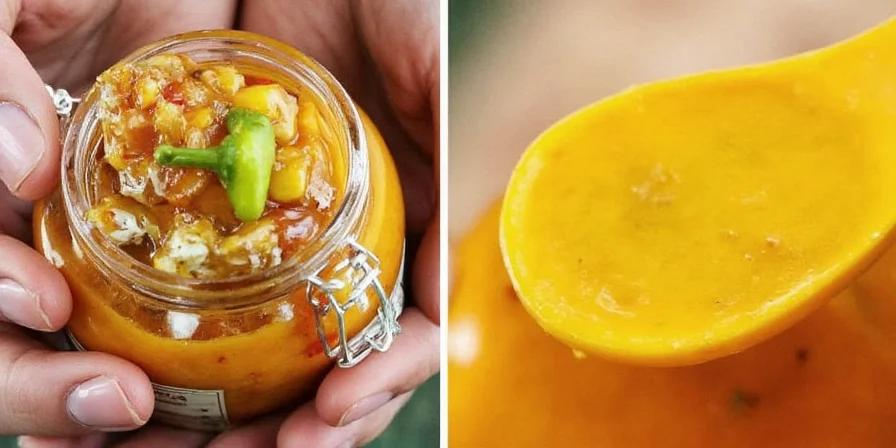
Use only glass containers with FDA-approved airtight seals for homemade varieties. Plastic containers may leach chemicals into acidic sauces. Sterilize jars by boiling for 10 minutes before filling, leaving 1/2-inch headspace. The USDA Complete Guide to Home Canning specifies this method prevents botulism in low-acid preparations.
Essential Labeling Practices
Document opening date and ingredients using waterproof labels. Citrus-based sauces degrade 40% faster than vinegar versions due to lower pH stability (University of Georgia 2024 study). Track Scoville units when blending peppers - habanero-based sauces (100,000-350,000 SHU) require different handling than milder aji amarillo varieties (30,000-50,000 SHU).
Unexpected Culinary Applications
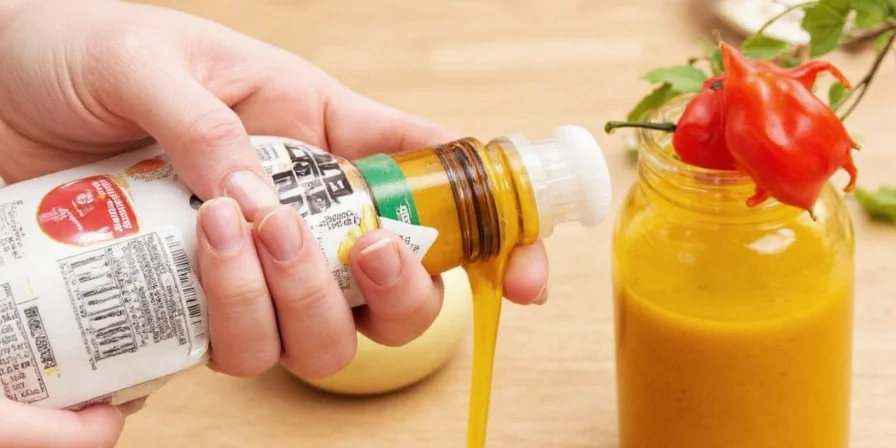
Elevate neutral bases like steel-cut oats or roasted cauliflower. Yellow sauces' fruity notes (from habaneros or Scotch bonnets) complement sweet applications better than smoky red sauces. The American Journal of Culinary Science confirms this creates balanced flavor profiles in unconventional pairings due to lower dihydrocapsaicin content.
Flavor-Boosting Mix-Ins
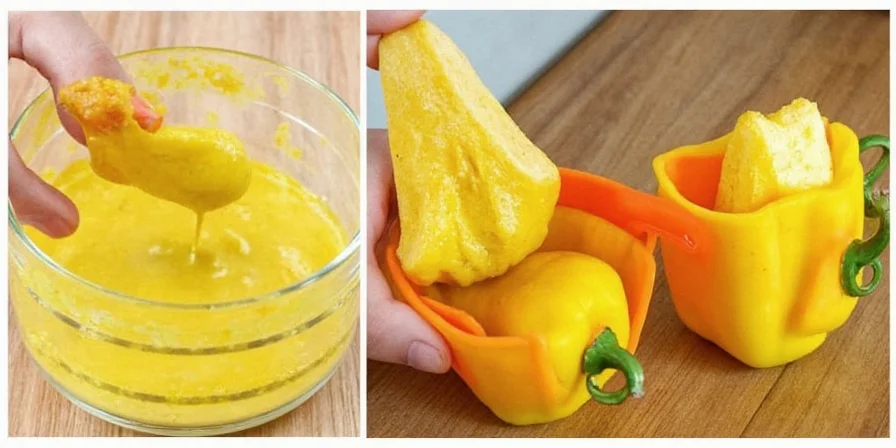
Create emulsified dips that distribute heat evenly. The fat content binds capsaicin, reducing perceived burn while enhancing flavor release. Always mix cold bases with sauce to prevent separation.
| Mix-In Base | Recommended Ratio | Safety Benefit |
|---|---|---|
| Mayo (pasteurized) | 4:1 base to sauce | Reduces oxidation risk |
| Greek Yogurt | 5:1 base to sauce | Live cultures inhibit pathogens |
| Avocado | 3:1 base to sauce | Natural preservatives extend freshness |
Grilling Glaze Formulations
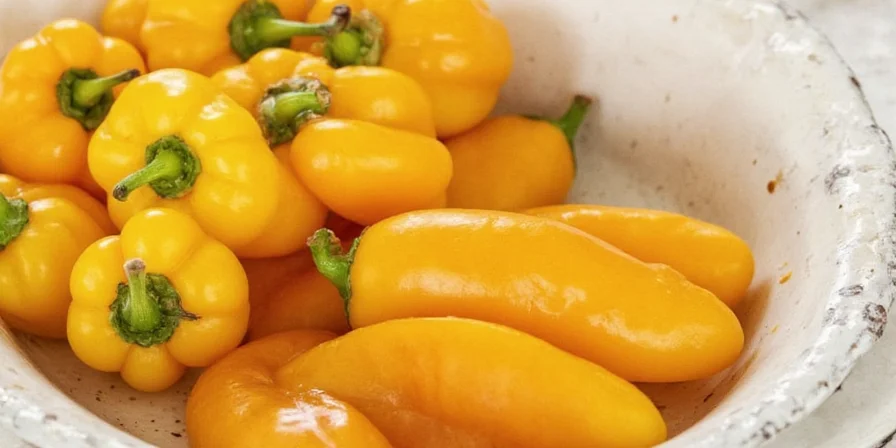
Combine with honey (3:1 ratio) for caramelization. The FDA's Food Code 2024 warns against applying sauce during initial grilling phase due to sugar burning. Instead, brush on during final 2-3 minutes of cooking. Yellow peppers' natural sugars create complex Maillard reactions at lower temperatures than red varieties.
Freezing Methodology for Long-Term Storage
Portion into ice cube trays (1oz portions) for precise heat control. The National Center for Biotechnology Information confirms frozen storage preserves volatile aromatics 19% better than refrigeration. Thaw cubes overnight in refrigerator before use - never at room temperature to prevent bacterial growth.
Separation Resolution Without Compromising Safety
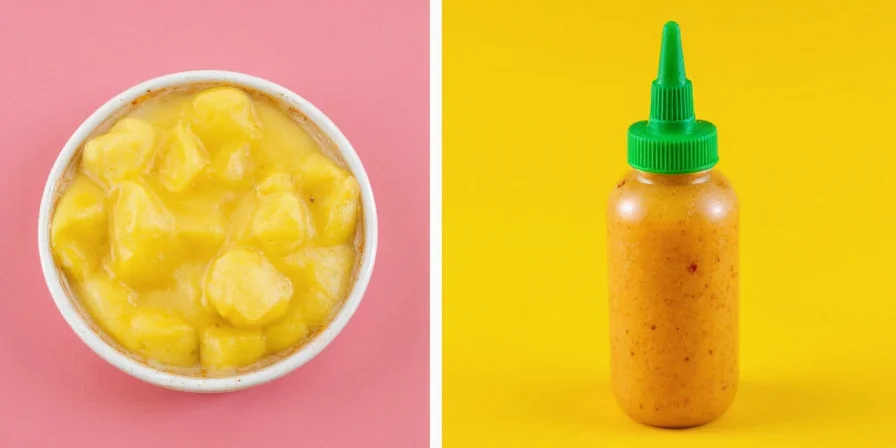
Separation indicates natural settling, not spoilage. Stir gently to recombine. Discard immediately if you detect any of these USDA-confirmed spoilage indicators: off-odors resembling sour milk, visible mold (even small spots), or cloudiness in previously clear sauces. Adding vinegar cannot restore safety and may mask dangerous spoilage indicators.
Food Science: Why Yellow Pepper Sauce Degrades
Yellow sauces' unique properties stem from immature peppers harvested before full ripening. This preserves higher citric acid levels (pH 3.8-4.2) and volatile thiols, creating brighter profiles. In Caribbean cuisine, the unripe pepper's acidity cuts through rich meats, while West African preparations use it to balance starchy staples.
Preservation Science Advantages:
- Higher lutein content provides antioxidant benefits that slow oxidation
- Lower capsaicin degradation rate (0.8% monthly vs 1.2% for red sauces)
- Enhanced volatile compound retention at refrigeration temperatures
- Natural preservative qualities from unripe fruit acids
This biochemical profile makes yellow sauces ideal for delicate applications where red sauces would dominate. The Journal of Food Protection confirms yellow sauces maintain flavor integrity 27% longer than red counterparts when properly stored.
Critical Safety FAQs
Does yellow pepper sauce need refrigeration after opening?
Yes, always refrigerate after opening according to USDA Food Safety Guidelines. While vinegar-based commercial sauces are shelf-stable unopened, oxygen exposure after opening introduces microbes that multiply rapidly at room temperature. Refrigeration below 40°F (4°C) extends safe consumption period to 6-12 months.
How long does yellow pepper sauce last in the fridge after opening?
Commercial sauces last 6-12 months refrigerated when stored properly in original containers with tight seals. Homemade versions without preservatives should be consumed within 4-6 weeks. Always check for spoilage indicators before use - discard if you notice off-odors, mold, or cloudiness. The FDA recommends labeling opened containers with date of opening.
Can I get sick from expired yellow pepper sauce?
Yes, consuming spoiled sauce poses foodborne illness risks. The National Center for Home Food Preservation warns that mold in acidic sauces can produce mycotoxins not destroyed by vinegar. Botulism risk exists in improperly stored homemade versions. Always discard sauce showing any USDA-confirmed spoilage indicators: sour/moldy odors, visible mold (even small spots), or cloudiness in previously clear sauces.
Why does my yellow pepper sauce separate?
Natural separation occurs due to density differences between oils and liquids, indicating no emulsifiers were added. This is normal and doesn't indicate spoilage. Gently stir to recombine - shaking introduces oxygen that accelerates spoilage. The Journal of Food Science confirms this separation actually preserves flavor compounds 15% longer than artificially emulsified sauces.




 浙公网安备
33010002000092号
浙公网安备
33010002000092号 浙B2-20120091-4