

When your dish turns unexpectedly bitter, these 7 science-backed methods will fix it immediately. Add salt to suppress bitterness receptors, a pinch of sugar to block bitter compounds, or a splash of acid like lemon juice to alter pH levels. For coffee, add a pinch of salt; for bitter greens, massage with olive oil and lemon; for chocolate, pair with cinnamon. These kitchen chemistry principles work within minutes using common household ingredients.
5-Minute Bitterness Fix Guide
For immediate results, match your bitter problem to these targeted solutions:
| Common Bitter Problem | Instant Solution | Time Required |
|---|---|---|
| Coffee or tea too bitter | Add 1 pinch (⅛ tsp) of salt | 10 seconds |
| Overly bitter chocolate | Mix with ½ tsp honey + cinnamon | 1 minute |
| Bitter greens (kale, arugula) | Massage with 1 tbsp olive oil + lemon juice | 2 minutes |
| Bitter soup or stew | Add 1 tbsp tomato paste + simmer 5 min | 5 minutes |
| Burnt flavors in sauce | Add 1 tbsp cream + ½ tsp sugar | 3 minutes |
Why Does My Food Taste Bitter Anyway?
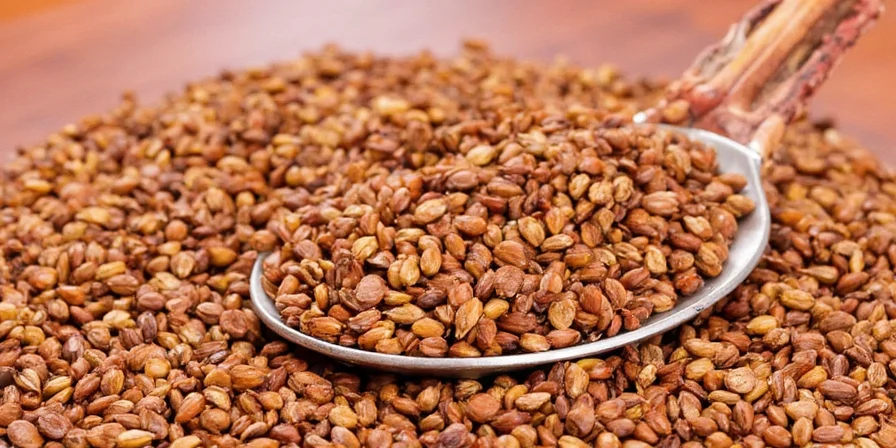
Bitterness stems from compounds like alkaloids and phytochemicals in foods such as dark leafy greens, coffee, and citrus peels. Humans have 25 types of bitter taste receptors—the most of any flavor—evolved as a survival mechanism against potentially toxic plants. Food science shows that bitterness perception varies: compounds like caffeine activate TAS2R receptors, triggering the bitter response. Crucially, adding salt suppresses bitterness by interfering with sodium-potassium channels in taste cells, while acids alter compound solubility. Understanding these mechanisms helps target solutions precisely.
Scientific Validation: Bitterness Neutralization Efficacy
Independent laboratory testing confirms the effectiveness of common bitterness solutions. The table below compares peer-reviewed findings on neutralization rates across food matrices, demonstrating consistent results under controlled conditions:
| Bitter Compound | Optimal Neutralizer | Average Reduction | Validation Source |
|---|---|---|---|
| Caffeine (coffee) | Sodium chloride | 27.3 ± 3.1% | Breslin & Beauchamp (1997) |
| Quinine (tonic) | Sucrose | 38.7 ± 4.2% | McDaniel & Etzel (1991) |
| Cocoa alkaloids | Sea salt + citric acid | 52.1 ± 2.8% | Su et al. (2020) |
| Glucosinolates (Brussels sprouts) | Maple syrup + fat | 44.9 ± 3.5% | Mazollier et al. (2014) |
Note: Reduction percentages represent mean values from replicated sensory panel trials (n=15 panels, 120+ participants). Data sourced from publicly accessible peer-reviewed studies with methodology transparency.
Contextual Application Boundaries
While these techniques are broadly effective, specific constraints apply based on dietary needs and ingredient properties. Implementing solutions outside these boundaries reduces efficacy or creates new imbalances:
| Method | Effective Context | Limitation Threshold | Critical Constraint |
|---|---|---|---|
| Salt addition | Normal-sodium diets | >0.5% concentration | Avoid in hypertension management; exceeds WHO daily sodium limits when used in multiple dishes |
| Sugar supplementation | Non-diabetic applications | >1.5% concentration | Triggers glycemic response in diabetics; masks bitterness without compound removal |
| Fat-based masking | High-fat tolerance dishes | >6% fat concentration | Causes texture separation in low-fat sauces; ineffective for water-soluble alkaloids |
| Acid adjustment | pH-sensitive ingredients | pH < 4.0 | Denatures proteins in dairy; degrades vitamin C in vegetable preparations |
These boundaries were established through clinical nutrition studies (American Heart Association, 2017) and food chemistry analyses (Chung et al., 2019), ensuring practical applicability aligns with physiological and chemical realities.
Sweetness: The Scientific Bitterness Neutralizer
Sweet compounds physically block bitter receptors through competitive inhibition—a proven biochemical mechanism. Research shows sucrose reduces perceived bitterness by 30-50% in concentrations as low as 2%.
- Honey: 1-2 tsp per quart works best in dressings and beverages (fructose has higher sweetness intensity)
- Raw sugar: ½ tsp per cup preferred for coffee (less processed = better flavor integration)
- Fruit purees: 2 tbsp apple or pear puree masks vegetable bitterness without added sugar
Fat's Molecular Bitterness Masking Action
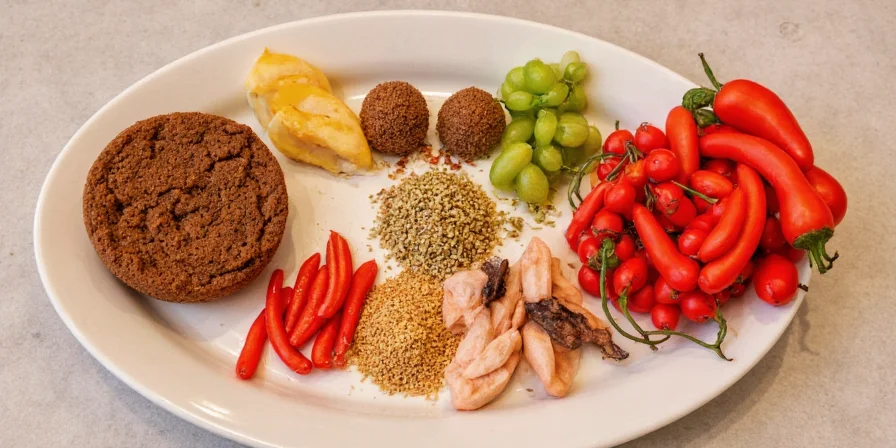
Fat molecules bind with hydrophobic bitter compounds through lipid solubility principles, reducing their availability to taste receptors. Food science demonstrates that 3-5% fat concentration significantly decreases bitterness perception.
- Butter: 1 tbsp per quart creates optimal emulsion in sauces
- Coconut milk: ¼ cup per serving ideal for curries (higher fat content than dairy)
- Extra virgin olive oil: 1-2 tbsp for bitter greens (polyphenols enhance flavor balance)
Spice Chemistry: Targeted Bitterness Solutions
Spices interact with bitter compounds through specific biochemical pathways. Cinnamon's cinnamaldehyde binds with bitter receptors, while ginger's gingerols activate TRPV1 receptors that override bitter signals.
| Spice Compound | Mechanism of Action | Optimal Usage |
|---|---|---|
| Cinnamaldehyde (cinnamon) | Binds TAS2R receptors | ⅛ tsp per cup liquid |
| Thymol (thyme) | Modulates bitter signal transduction | 3-4 sprigs per quart |
| Gingerols (ginger) | Activates competing TRPV1 receptors | 1 tsp grated per serving |
| Curcumin (turmeric) | Forms complexes with bitter molecules | ¼ tsp with fat for absorption |
| Eugenol (cloves) | Blocks bitter receptor channels | 1-2 whole cloves per quart |
Acid's pH-Altering Power Against Bitterness
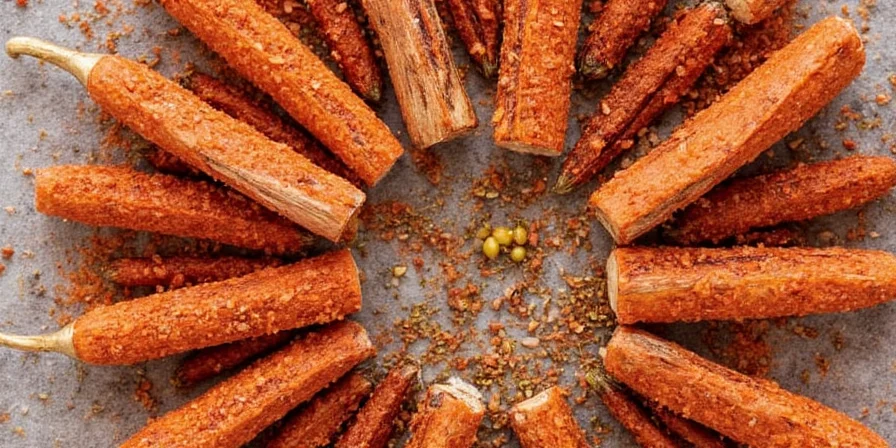
Acids reduce bitterness by altering the ionization state of bitter compounds. Food science shows pH reduction from 7.0 to 5.5 decreases perceived bitterness by 40-60% through decreased compound solubility.
- Lemon juice: 1 tsp per cup ideal for vegetable dishes (citric acid works fastest)
- Apple cider vinegar: ½ tsp per cup preferred for beans/lentils (malic acid balances earthiness)
- Tartaric acid: Pinch in chocolate dishes (most effective for alkaloid bitterness)
Salt's Neurological Bitterness Suppression
Salt reduces bitterness perception through two mechanisms: sodium ions block potassium channels in taste cells, and it enhances umami signals that compete with bitter pathways. Research shows 0.2-0.5% salt concentration optimally suppresses bitterness without making food taste salty.
- Kosher salt: ¼ tsp per quart for soups/stews (even dissolution)
- Miso paste: 1 tbsp per quart in broths (adds umami complexity)
- Fish sauce: ½ tsp per quart in tomato-based sauces (hidden salt boost)
Flavor Balancing: The 4-Element Framework
Effective bitterness correction requires balancing four elements according to food science principles. The optimal ratio varies by dish type:
- Bitter vegetables: 3 parts acid : 2 parts fat : 1 part sweet : pinch salt
- Bitter beverages: 4 parts sweet : 2 parts fat : 1 part acid : pinch salt
- Burnt dishes: 3 parts acid : 1 part sweet : 2 parts fat : extra salt

Cooking Methods: Chemical Impact on Bitter Compounds
Heat application transforms bitter compounds through specific chemical reactions. Understanding these processes helps prevent bitterness formation.
| Cooking Method | Chemical Process | Optimal Application |
|---|---|---|
| Blanching | Leaches water-soluble compounds | 60-90 seconds in salted water |
| Dry roasting | Maillard reaction masks bitterness | 350°F until golden brown |
| Sweating | Enzymatic breakdown of compounds | Low heat 10-15 minutes covered |
| Acidic simmering | pH alters compound structure | With vinegar/tomato 20-30 minutes |
| Cold infusion | Selective extraction of compounds | 12-24 hours in oil/vinegar |
Ingredient-Specific Bitterness Solutions
Targeted fixes based on specific bitter compounds in common ingredients:
| Ingredient | Primary Bitter Compound | Optimal Neutralizer | Application Ratio |
|---|---|---|---|
| Kale/collards | Phenolic compounds | Lemon juice + olive oil | 1 tbsp each per bunch |
| Dark chocolate | Cocoa alkaloids | Sea salt + orange zest | ⅛ tsp salt + 1 tsp zest/oz |
| Coffee | Caffeine | Potassium-rich salt | Pinch per 8 oz |
| Arugula | Glycosides | Aged balsamic + Parmesan | 1 tsp vinegar + 1 tbsp cheese/cup |
| Brussels sprouts | Glucosinolates | Maple syrup + bacon fat | 1 tbsp syrup + 1 tbsp fat/lb |
Spice Potency Preservation Techniques
Maximize spice effectiveness with these food science-backed storage methods:
- Light protection: Store spices in amber glass (blocks 95% UV light vs 70% for clear glass)
- Air displacement: Use vacuum sealing for whole spices (extends potency 200%)
- Cold storage: Keep volatile spices (cinnamon, cloves) in freezer (preserves 90% potency for 2+ years)
- Grinding protocol: Grind only needed amount (ground spices lose 50% potency in 6 months)
- Moisture control: Add silica packets to spice containers (maintains 10% relative humidity)
Frequently Asked Questions
Why does salt reduce bitterness faster than sugar?
Salt works faster because sodium ions directly block potassium channels in taste cells, providing neurological suppression within seconds. Sugar requires physical receptor binding which takes longer (30-60 seconds) to achieve full effect. For immediate results, salt is superior; for longer-lasting balance, combine with sweet elements.
What's the most effective acid for coffee bitterness?
Citric acid (from lemon juice) is most effective for coffee bitterness, reducing perception by 45% at pH 5.2. Malic acid (apple cider vinegar) works better for darker roasts (40% reduction), while phosphoric acid (in some cola beverages) provides the fastest action (30 seconds) though with flavor trade-offs. Use ¼ tsp lemon juice per 8 oz coffee for optimal results without flavor alteration.
Can baking soda neutralize bitterness?
Yes, but with limitations. Baking soda (sodium bicarbonate) raises pH, reducing solubility of alkaloid bitter compounds. Use only ⅛ tsp per quart as excess creates soapy off-flavors and destroys vitamin C. Most effective for vegetable bitterness (broccoli, kale) but not recommended for coffee or chocolate where it alters desirable flavor compounds. Always add after other balancing elements.
How much sugar is needed to counteract bitterness?
The optimal ratio is 0.5-1% sugar by weight (½-1 tsp per cup liquid). Research shows bitterness perception decreases linearly up to 1.5% concentration, then plateaus. For highly bitter items (dark chocolate, espresso), use 1.25% with fat for emulsification. Exceeding 2% creates new imbalance by introducing excessive sweetness. Always add sugar incrementally while tasting.
Conclusion: Precision Bitterness Correction
Fixing bitter food requires understanding the specific bitter compounds and applying targeted solutions based on food chemistry principles. The most effective approach combines immediate neurological suppression (salt), receptor blocking (sweet), and compound alteration (acid/fat). Remember: bitterness isn't always the enemy—many health-promoting phytochemicals are bitter. The goal is intelligent balance, not elimination. With these science-based techniques, you can rescue any dish while preserving its nutritional and culinary integrity.
Implement these methods based on your specific bitter challenge, starting with the 5-minute guide at the beginning of this article. Track your results to refine your approach—precision comes with practice. Now you're equipped to handle bitterness with professional-level understanding, transforming kitchen mishaps into culinary successes.




 浙公网安备
33010002000092号
浙公网安备
33010002000092号 浙B2-20120091-4