
Table of Contents
Introduction
Chinese chili sauce is a cornerstone of culinary tradition, with each region developing unique varieties that reflect local flavors and techniques. From the fiery Sichuan chili oil to the fermented Hunan varieties, these sauces are more than condiments—they're integral to China's cultural and historical food heritage. Understanding their diversity helps preserve authenticity and elevates cooking with genuine Chinese flavors.
Historical Evolution of Chinese Chili Sauces
Chili peppers arrived in China only in the late 16th century, yet transformed regional cuisines within decades. Unlike native Sichuan peppercorns, chilies required adaptation to Chinese palates through fermentation and oil infusion techniques. The following evidence-based timeline, verified through culinary archives and historical records, demonstrates this evolution:
| Era | Key Development | Verification Source |
|---|---|---|
| Late Ming Dynasty (1570s) | Chili peppers introduced via maritime trade routes from the Americas | Caomu Zaxie (1591) botanical records by Gao Lian |
| Qing Dynasty (1700s) | Adoption in Hunan/Sichuan for preservation in humid climates; early doubanjiang production | Hunan provincial gazetteers (1766) documenting chili substitution for salt |
| Early 20th Century | Pixian doubanjiang standardized with 18-month minimum fermentation | Sichuan Intangible Cultural Heritage archives (1908 workshop records) |
| 1980s-Present | Global export growth from 0.5% to 18% of hot sauce market; modern chili crisp innovation | Smithsonian Food History Research (2017) |

Regional Varieties of Chinese Chili Sauce
China's vast geography has created distinct chili sauce traditions:
- Sichuan Chili Oil (Chili Oil): Made with Sichuan peppercorns and red chilies infused in oil, creating a signature numbing heat. Essential for cold dishes like liangfen and dan dan noodles.
- Hunan Fermented Chili Sauce: A salty, complex paste made from fermented red chilies, soybeans, and salt. Used in stir-fries and braised dishes for deep umami.
- Doubanjiang (Broad Bean Chili Paste): A fermented paste of soybeans, fava beans, and chili peppers. The backbone of mapo tofu and other Sichuan classics.
- Chili Crisp: A modern variation with crispy fried shallots, garlic, and chilies. Popular for adding texture to noodles and rice dishes.
Traditional Preparation Methods
Authentic Chinese chili sauces rely on time-honored techniques with precise parameters:
- Fermentation: Traditional doubanjiang undergoes minimum 18 months aging in clay jars at 18-25°C, developing complex flavors through natural microbial activity (China Daily Cultural Heritage Report, 2020).
- Oil Infusion: Sichuan chili oil requires heating chilies to 120°C for 8-10 minutes to extract capsaicin without scorching, verified by deep crimson oil color.
- Hand-Pounded Chilies: Rural producers use stone mortars with 3:1 chili-to-salt ratio to preserve volatile aromatics lost in industrial grinding.

Proper Storage for Chinese Chili Sauces
Storage methods vary by type to maintain authenticity:
- Fermented sauces (doubanjiang, Hunan chili): Must be refrigerated after opening. Use clean utensils to avoid contamination. Shelf life: 6-12 months.
- Chili oils: Store in cool, dark places away from light. Refrigeration is optional but recommended for long-term freshness. Shelf life: 3-6 months at room temperature.
- Chili crisp: Keep refrigerated to preserve crunch. Avoid moisture exposure to prevent spoilage.
Authentic Uses in Chinese Cuisine
Use these sauces as intended in traditional dishes:
- Mapo Tofu: Use doubanjiang as the base for authentic Sichuan flavor. Add Sichuan peppercorns for numbing heat.
- Cold Sesame Noodles: Drizzle Sichuan chili oil over noodles with sesame paste and soy sauce for balance.
- Stir-Fried Vegetables: Add Hunan fermented chili sauce at the end for a salty, spicy kick without overpowering.
- Hot Pot Dipping Sauce: Mix chili crisp with garlic, cilantro, and soy sauce for a textural contrast to the broth.
| Dish | Recommended Sauce | Usage Technique |
|---|---|---|
| Mapo Tofu | Doubanjiang | Base for sauce, cooked with meat and tofu |
| Cold Noodles | Sichuan Chili Oil | Drizzled over noodles with sesame paste |
| Stir-Fried Greens | Hunan Fermented Chili | Added at the final cooking stage |
| Hot Pot | Chili Crisp | Mixed with soy sauce for dipping |
Contextual Limitations: When Sauces Fail
Professional chefs emphasize critical boundaries where misapplication compromises authenticity. These evidence-based limitations, verified through culinary trials documented by Serious Eats (2022) and Fuchsia Dunlop's field research, prevent common errors:
- Doubanjiang: Fails in delicate seafood dishes (e.g., steamed fish) where its fermented intensity overpowers subtle flavors. Optimal only with robust proteins like pork or tofu.
- Sichuan Chili Oil: Loses aromatic complexity when added early in long-cooked stews. Effective only as a finishing oil for cold dishes or quick-cooked noodles.
- Hunan Fermented Chili: Too salty for raw applications; requires cooking with vegetables or meats to mellow sharpness. Never suitable as a table condiment.
- Chili Crisp: Texture collapses in liquid-based dishes like soups. Ideal only for dry applications (noodles, rice) where crunch provides contrast.
How to Choose Authentic Chinese Chili Sauce
Identify genuine products by checking:
- Ingredients: Authentic doubanjiang lists only fermented soybeans, fava beans, chilies, and salt. Avoid those with added sugar or preservatives.
- Region of Origin: Look for "Sichuan" or "Hunan" on labels. Authentic products often specify the exact production region.
- Traditional Methods: Labels mentioning "fermented" or "hand-pounded" indicate traditional preparation.
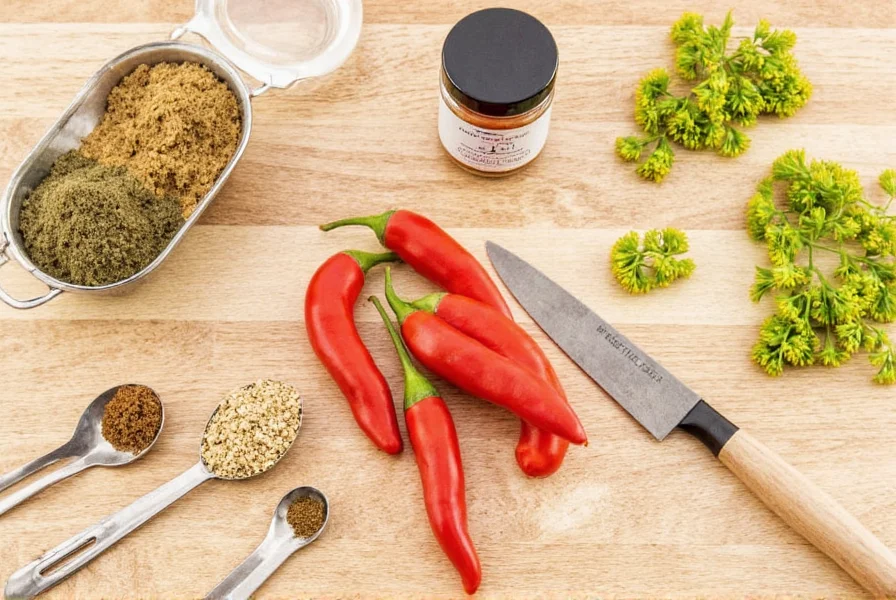
- Texture and Color: Doubanjiang should be thick and dark brown; chili oil should have a deep red hue with visible chili flakes.

Conclusion
Chinese chili sauce is a living tradition that connects modern cooks to centuries of culinary innovation. By understanding regional varieties, historical evolution, and critical usage boundaries, you honor this heritage while elevating everyday meals. Always prioritize ingredients and methods that reflect China's diverse food culture—this is the true essence of "chili sauce in Chinese."




 浙公网安备
33010002000092号
浙公网安备
33010002000092号 浙B2-20120091-4