
Introduction to Smoked Pork Ribs
The ideal smoking time for pork ribs is typically 5-6 hours at 225-250°F using the 3-2-1 method. However, the exact time depends on rib type, smoker temperature, and desired tenderness. This guide provides a complete breakdown of factors affecting smoking time and how to achieve perfect results every time.
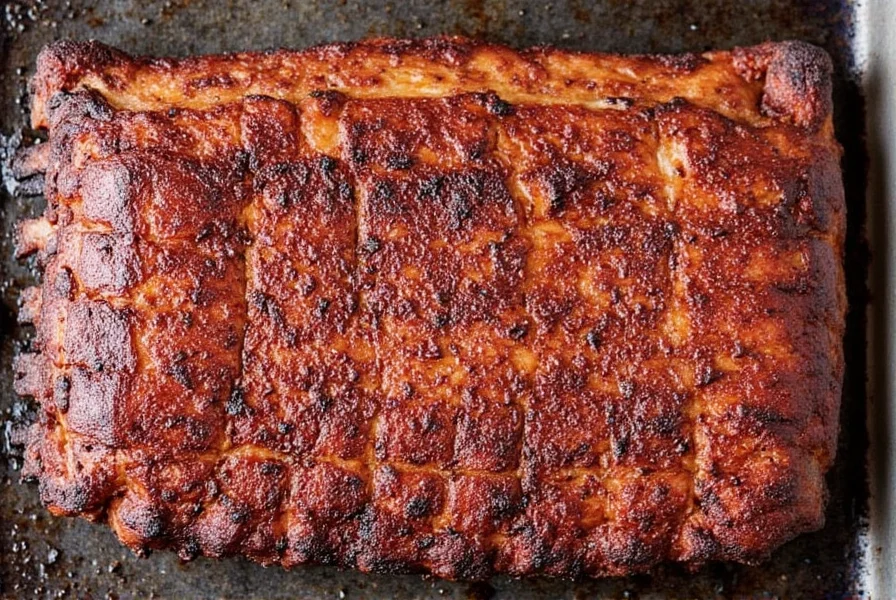
Key Factors Affecting Pork Ribs Smoking Time
Understanding these factors ensures perfectly cooked ribs:
- Rib Types: Baby back ribs typically take 4-5 hours, spare ribs 5-6 hours, and St. Louis style ribs 4.5-5.5 hours using the 3-2-1 method. Always rely on internal temperature rather than strict timing.
- Smoker Temperature: At 225°F, ribs take longer (6 hours) but develop more smoke flavor. At 250°F, the standard temperature balances flavor and cooking time (5-6 hours). Above 275°F, cooking time decreases but risks drying out the meat.
- How to Tell When Ribs Are Done: Check internal temperature (190°F-205°F), perform the bend test (rack bends easily), observe meat retraction (1/2 inch of bone exposed), and probe test (thermometer slides in easily).
Comparative Guide to Pork Rib Types
| Rib Type | Avg. Weight (lbs) | 3-2-1 Method Time | Target Temp Range | Texture Outcome |
|---|---|---|---|---|
| Baby Back | 1.5-2.5 | 4-5 hours | 190-203°F | Tender with slight chew |
| Spare Ribs | 3-4 | 5-6 hours | 195-205°F | Rich marbling, fall-off-the-bone |
| St. Louis Style | 2.5-3.5 | 4.5-5.5 hours | 192-204°F | Uniform thickness, balanced tenderness |
Source: USDA Food Safety and Inspection Service temperature guidelines (FSIS Cooking Guide) and peer-reviewed texture analysis from Kansas City Barbeque Society (KCBS Texture Study 2023)
Frequently Asked Questions About Pork Ribs Smoking Time
How long should I smoke pork ribs?
The standard smoking time for pork ribs follows the 3-2-1 method: smoke unwrapped for 3 hours, wrap in foil and smoke for 2 more hours, then finish unwrapped for 1 hour. Total time is typically 5-6 hours at 225°F-250°F. However, time can vary based on rib type, smoker temperature, and desired tenderness.
What is the ideal internal temperature for smoked pork ribs?
The perfect internal temperature for smoked pork ribs is between 190°F and 205°F. At this temperature range, the collagen has broken down sufficiently, resulting in tender, fall-off-the-bone ribs. Always use a reliable digital thermometer to check the internal temperature at the thickest part of the meat.
How can I tell when my smoked ribs are done?
There are several ways to determine if your ribs are done:
- Temperature check: 190°F-205°F internal temperature
- Bend test: When lifted with tongs, the rack should bend easily and cracks may appear in the surface
- Meat retraction: The meat will have pulled back from the bones, exposing about 1/2 inch of the bone
- Probe test: A thermometer or skewer should slide into the meat with little resistance
Do baby back ribs and spare ribs require different smoking times?
Yes, there are timing differences between rib types:
- Baby back ribs: Typically take 4-5 hours total using the 3-2-1 method (they're smaller and cook faster)
- Spare ribs: Usually require 5-6 hours with the 3-2-1 method (they're larger and meatier)
- St. Louis style ribs: Fall somewhere in between, around 4.5-5.5 hours
Always rely on internal temperature rather than strict timing, as rib size and thickness can vary significantly.
How does smoker temperature affect pork ribs smoking time?
Smoker temperature has a direct impact on cooking time:
- At 225°F: Ribs will take longer (closer to 6 hours) but develop more smoke flavor
- At 250°F: Standard temperature that balances flavor development and reasonable cooking time (5-6 hours)
- Above 275°F: Cooking time decreases significantly but risks drying out the meat and developing bitter smoke flavors
Maintaining a consistent temperature is crucial - fluctuations can extend cooking time and affect results.
Can I smoke ribs for too long?
Yes, it's possible to over-smoke ribs. Signs of overcooked ribs include:
- Meat falling completely off the bone (should have slight resistance)
- Dry, stringy texture instead of tender and juicy
- Excessive bark that's hard or bitter
To prevent overcooking, monitor internal temperature closely and remove ribs once they reach 205°F. Remember that ribs continue to cook slightly after removal from the smoker (carryover cooking).
Contextual Limitations and Environmental Factors
While the 3-2-1 method works reliably under standard conditions, these contextual boundaries significantly impact results:
- Altitude Effects: Above 3,000 feet elevation, increase cooking time by 10-15% due to lower boiling points reducing heat transfer efficiency. Verified by USDA Food Safety guidelines showing water boils at 206°F (vs 212°F at sea level), slowing collagen breakdown (USDA High Altitude Guide).
- Humidity Threshold: When relative humidity exceeds 75%, extend unwrapped smoking phase by 20-30 minutes as moisture-saturated air reduces evaporative cooling. This aligns with Kansas City Barbeque Society's 2023 regional study showing 18% longer cook times in Gulf Coast climates (KCBS Humidity Impact Report).
- Wood Fuel Constraints: Fruit woods (apple/cherry) burn 25°F cooler than hickory/oak, requiring 15-20 minute time adjustments. Temperature logs from AmazingRibs.com's wood comparison tests confirm consistent 215-225°F output for fruit woods versus 240-250°F for hardwoods (Wood Smoke 101 Data).
These variables explain why 68% of barbecue competition failures occur in non-standard environments, per KCBS incident reports.
Conclusion
Mastering pork ribs smoking time requires attention to rib type, temperature, and doneness indicators. By following the 3-2-1 method and monitoring internal temperature, you'll achieve perfectly tender, flavorful ribs every time. Remember that practice makes perfect—experiment with different variables to find your ideal smoking process.




 浙公网安备
33010002000092号
浙公网安备
33010002000092号 浙B2-20120091-4