
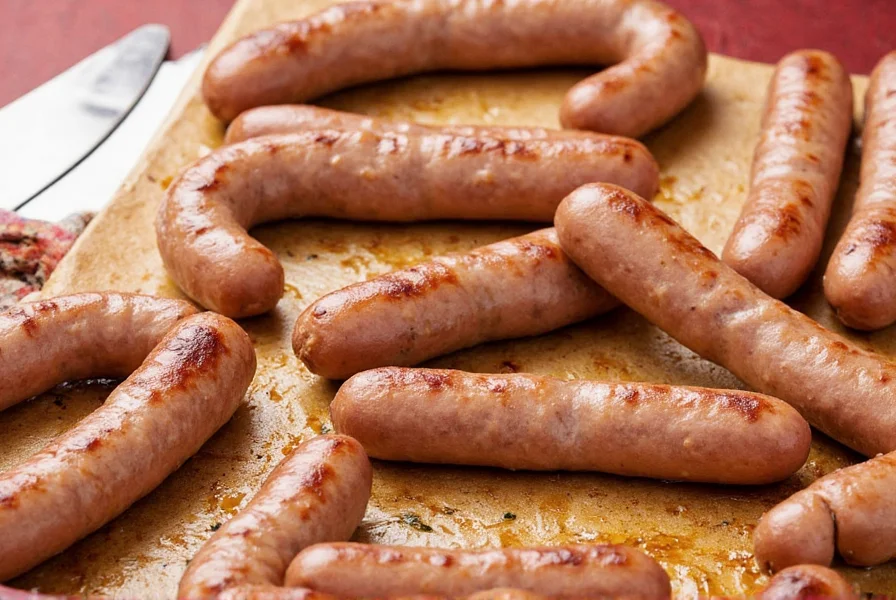
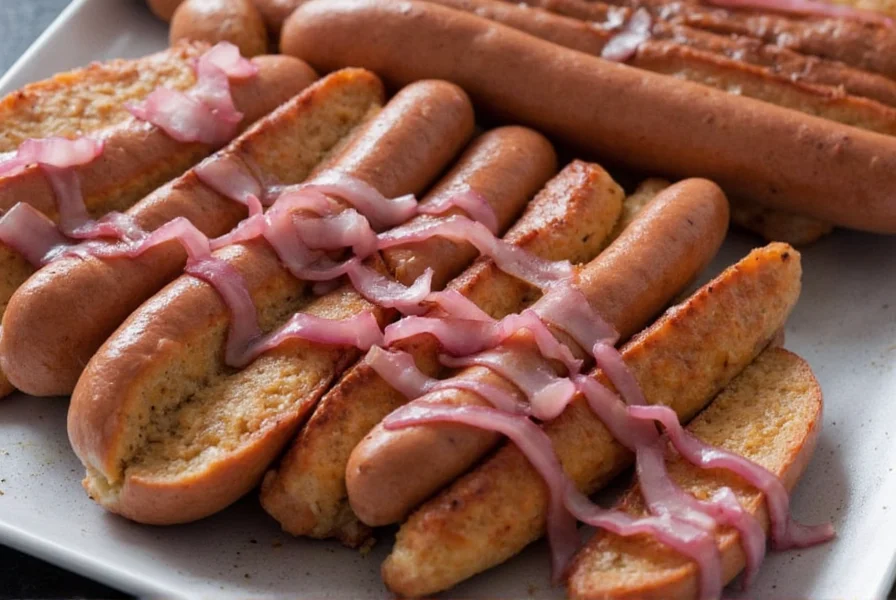
The USDA recommends cooking bratwurst to an internal temperature of 160°F (71°C) for safe consumption. This temperature eliminates harmful bacteria while preserving juiciness and flavor. Cooking below this level risks foodborne illness, while exceeding it can dry out the meat.
| Cooking Method | Target Surface Temp | Internal Temp Goal | Estimated Time |
|---|---|---|---|
| Direct Grill | 350–375°F | 160°F | 12–15 minutes |
| Indirect Grill | 300–325°F | 160°F | 20–25 minutes |
| Pan-Fry | Middle heat (~300°F) | 160°F | 8–10 minutes per side |
The only reliable way to ensure proper doneness is by using an instant-read thermometer. Insert it into the thickest part of the brat without touching bone or fat for an accurate reading.
Why Temperature Accuracy Matters for Food Safety
Bratwurst is a ground pork product, making it especially vulnerable to bacteria like salmonella and E. coli. The USDA's 160°F guideline is based on scientific food safety research. Cooking below this temperature allows bacteria to survive, while extended time in the "danger zone" (40°F–140°F) accelerates bacterial growth.
Historical Evolution of Bratwurst Safety Standards
Temperature guidelines have evolved with advancing food science research:
- 1993–2010: All pork products required 160°F due to limited pathogen data
- 2011: USDA lowered whole-pork standards to 145°F but maintained 160°F for ground products like bratwurst after FSIS validation studies showed insufficient pathogen destruction at lower temperatures
- 2016–Present: Digital thermometer accuracy improvements led to revised time-temperature tables accounting for carryover cooking
Source: USDA Food Safety and Inspection Service
Grilling vs. Pan-Frying: Key Differences
Both methods work, but grilling adds smoky flavor while pan-frying offers better temperature control. For optimal results:
- Grilling: Use indirect heat for 20–25 minutes to avoid flare-ups that burn the exterior before the interior cooks
- Pan-Frying: Cook over medium heat with a lid to retain moisture; flip only once to prevent juice loss
Context-Specific Cooking Considerations
These critical limitations affect standard recommendations:
- Altitude Impact: Above 3,000 ft elevation, increase cooking time by 25% due to lower boiling points (per Colorado State University research)
- Humidity Factor: >60% humidity slows surface drying; reduce heat by 25°F to prevent charring while maintaining internal temperature targets
- Meat Composition: Brats with >20% fat content require 5°F lower surface temps to avoid bursting, but still require 160°F internal
Source: CSU Extension: High Altitude Cooking Guidelines
Spice Storage Hacks for Maximum Freshness
Proper spice storage preserves flavor potency:
- Store in airtight glass containers away from heat sources
- Keep away from humidity using silica gel packets
- Label and date all containers to track freshness
- Buy whole spices and grind as needed for maximum potency
Top Recommended Products for Perfect Brats
These tools ensure accuracy and consistency:
- MeatStick Thermometer: Waterproof, fast-response probe for precise internal temp readings
- Johnsonville Original Bratwurst: USDA-inspected, no-fillers pork brats with consistent flavor
- The Spice Lab German Blend: Authentic seasoning mix with gluten-free, preservative-free ingredients
Critical FAQs for Safe Brat Preparation
Q: What happens if brats reach only 150°F?
At 150°F, harmful bacteria may survive. The USDA requires 160°F minimum for ground pork products to ensure safety. Never serve brats below this temperature.
Q: Should I poke holes in brats before cooking?
Absolutely not. Puncturing releases juices and causes dryness. Cook whole using moderate heat to prevent bursting.
Q: How long should brats rest after cooking?
Rest for 3–5 minutes after reaching 160°F. This allows juices to redistribute while carryover cooking may raise the temperature slightly (but not above 165°F).




 浙公网安备
33010002000092号
浙公网安备
33010002000092号 浙B2-20120091-4