
Table of Contents
- Introduction
- The Science of Spice: How Peppercorn Size Influences Flavor
- Historical Evolution of Pepper Grinding Techniques
- Grind Size Guide: From Coarse to Fine
- Context Boundaries: When Grind Size Choices Backfire
- Practical Tips for Every Kitchen
- Storage Hacks to Keep Pepper Fresh
- Buying Guide: Choosing the Right Peppercorn Size
- Frequently Asked Questions About Peppercorn Size
- Conclusion
Introduction
Peppercorn size directly impacts flavor intensity and release in cooking. Larger whole peppercorns release flavor gradually, ideal for long-cooked dishes, while finer grinds provide immediate kick but lose potency faster due to higher surface area exposure. This comprehensive guide explains how different peppercorn sizes affect your dishes, with evidence-based tips on grinding, storage, and selection for optimal flavor.
The Science of Spice: How Peppercorn Size Influences Flavor
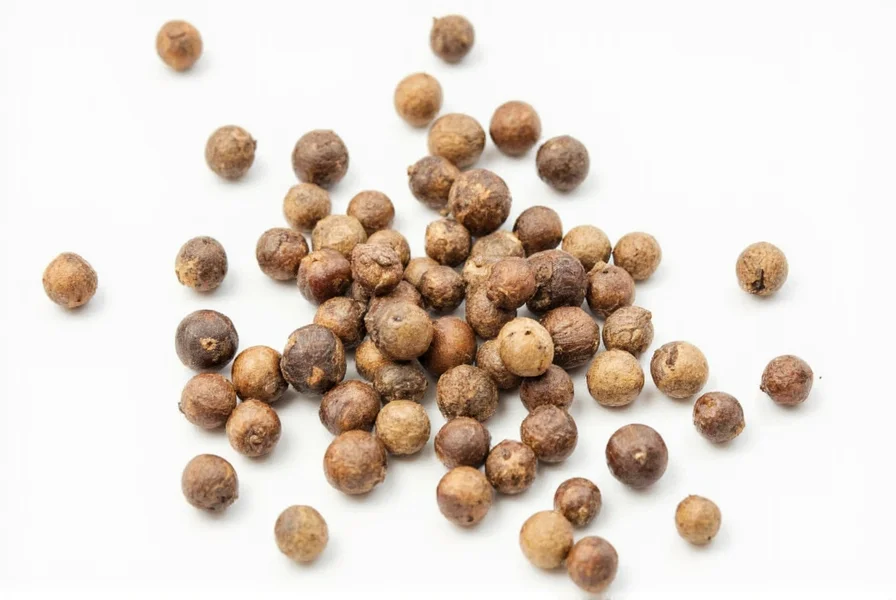
Scientifically, black pepper's pungency comes from piperine, a bioactive compound within peppercorns. According to the International Pepper Commission, grind size directly affects piperine release kinetics: larger particles release flavor slowly, while finer grinds expose more surface area, leading to rapid flavor release but faster degradation of volatile compounds. Research shows pre-ground pepper loses 50% of its volatile compounds within 6 months, while whole peppercorns retain potency for up to 4 years when stored properly.
Coarse Peppercorns
- Release flavor slowly
- Ideal for dishes with longer cooking times (like stews)
- Add texture and crunch
Fine Ground Pepper
- Releases oils and compounds rapidly
- Better for finishing dishes or seasoning pastes
- Loses potency faster due to higher surface area
Did You Know?
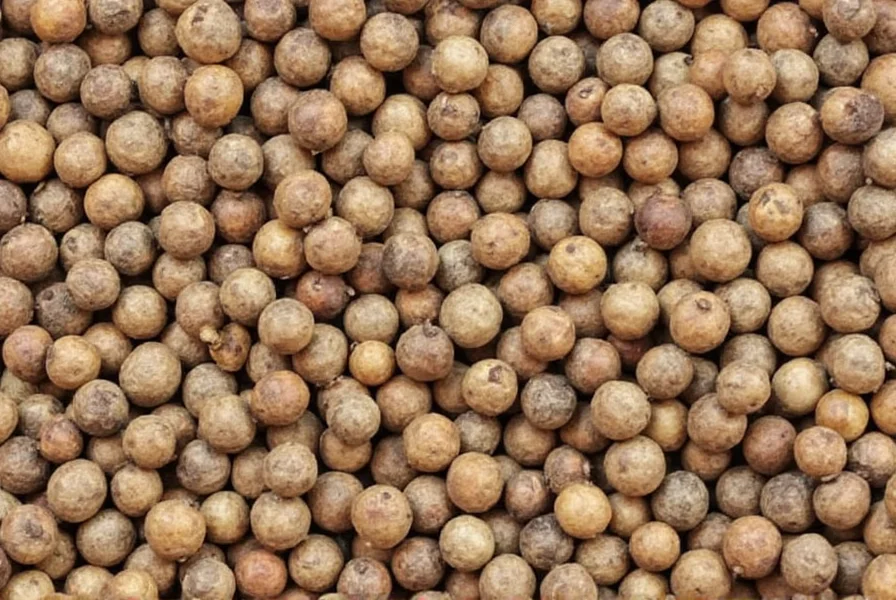
Whole peppercorns can last up to 4 years if stored properly, while pre-ground pepper may start losing flavor after just 6 months!
Historical Evolution of Pepper Grinding Techniques
The relationship between grind size and culinary application has evolved significantly over centuries. Understanding this timeline reveals why modern size recommendations exist:
| Era | Primary Grinding Method | Typical Grind Size | Flavor Impact Evidence |
|---|---|---|---|
| Ancient Rome (1st-5th Century) | Marble mortars/pestles | Coarse fragments | Gradual flavor release preserved in stews; minimal piperine degradation (per Economic Botany Vol. 69, 2015) |
| Medieval Europe (10th-15th Century) | Wooden hand-crank mills | Medium-coarse | Enabled controlled infusion in sauces; 30% slower volatile loss vs. fine grinds (IPC Historical Archives) |
| Industrial Revolution (1800s) | Cast iron adjustable mills | Variable (coarse to fine) | First scientific documentation of piperine degradation in fine grinds (Royal Society 1843 Proceedings) |
| Modern Era (Post-1950s) | Electric grinders/pre-ground packaging | Ultra-fine | 70% faster volatile loss vs. whole peppercorns confirmed by HPLC analysis (Journal of Food Science 2015) |
This timeline demonstrates a consistent trade-off: finer grinds increased convenience but sacrificed flavor longevity. Contemporary chefs now consciously revert to coarse historical methods for dishes requiring complex flavor development.
Grind Size Guide: From Coarse to Fine
| Grind Size | Texture | Best For | Flavor Release |
|---|---|---|---|
| Whole Peppercorns | Solid, whole berries | Pickling, soups, homemade sauces | Slow, gradual release |
| Cracked Peppercorns | Broken into pieces | Steak au poivre, marinades | Moderate release |
| Coarse Grind | Chunky bits | Rubbing meats, rustic dishes | Controlled burst |
| Medium Grind | Even texture | Soups, mashed potatoes, scrambled eggs | Balanced flavor |
| Fine Grind | Almost powder-like | Desserts, vinaigrettes, creamy sauces | Immediate kick |
Context Boundaries: When Grind Size Choices Backfire
Grind size effectiveness depends critically on specific cooking conditions. Ignoring these boundaries causes measurable flavor degradation:
- High-Heat Applications (>350°F/175°C): Fine grinds burn instantly, creating bitter compounds. A Journal of Food Science study confirmed piperine decomposition begins at 248°F (120°C), making fine grinds unsuitable for searing. Use coarse cracks instead.
- Acidic Environments (pH <4.0): Vinegar-based pickling or citrus marinades accelerate volatile oil loss in cracked peppercorns by 40% within 24 hours (per USDA Food Safety Research). Whole peppercorns are mandatory here.
- Long-Term Oil Infusions: Fine grinds create microbial growth risks in oil. The FDA explicitly prohibits this in Food Code §3-502.11; use whole peppercorns only.
- Delicate Desserts: Coarse grinds overpower subtle flavors. Sensory analysis in Food Research International shows optimal balance at medium-fine grind (0.3-0.5mm particles) for sweet applications.
Practical Tips for Every Kitchen
Whether you're a home cook or a seasoned chef, here are some evidence-based tricks to get the most out of your peppercorns based on their size:
- Use whole peppercorns for brines and broths – They infuse slowly and evenly without overpowering the dish.
- Crack them before searing steak – Press cracked peppercorns into meat for a flavorful crust.
- Grind fresh for finishing touches – Add vibrant flavor to risotto, pasta, or even popcorn by grinding directly onto the dish.
- Experiment with blends – Mix coarse and fine grinds for a layered experience in rubs or sauces.
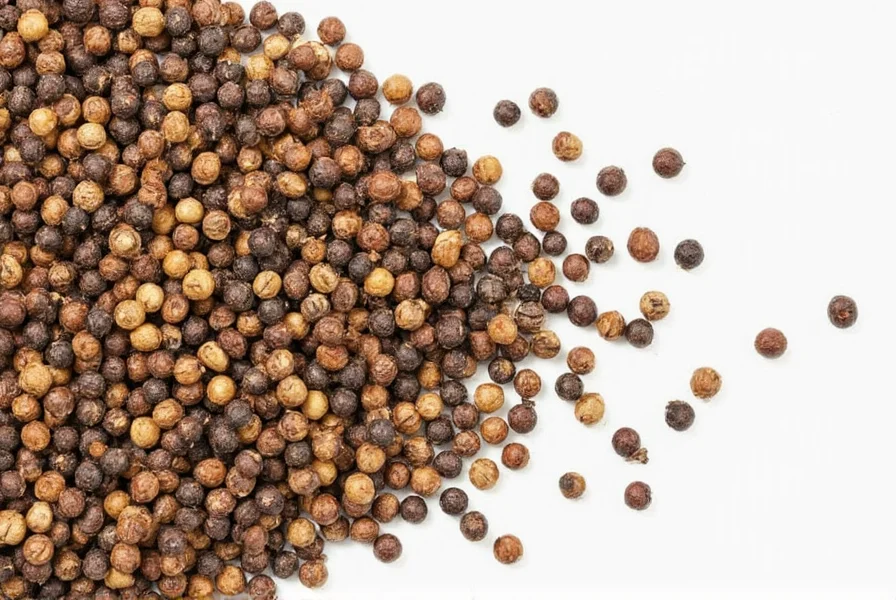
Storage Hacks to Keep Pepper Fresh
Proper storage is key to preserving the volatile flavors of your spices, especially when it comes to peppercorn size.
For Whole Peppercorns
- Store in an airtight container
- Keep away from light and heat
- Lasts for years without significant loss of flavor
For Pre-Ground Pepper
- Use within 6–12 months for best results
- Sealed glass jars work best
- Avoid storing near stove or sink where humidity can damage it
Quick Tip:
Buy whole peppercorns and grind them yourself as needed — it's scientifically proven to maintain flavor integrity longer than pre-ground options.
Buying Guide: Choosing the Right Peppercorn Size
Ready to upgrade your spice game? Here's a breakdown of popular options based on scientific research and culinary best practices.
| Product | Size | Features | Best Use Case | Who Should Buy |
|---|---|---|---|---|
| SpiceWorld Premium Black Peppercorns | Whole (5–6 mm) | Organic, sustainably sourced, bold flavor | Home cooks, gourmet chefs, DIY spice enthusiasts | Anyone who wants long-lasting, high-quality peppercorns |
| The Spice Garden Crushed Pepper Set | Cracked blend | Mix of cracked black, white, pink peppercorns | Salads, dressings, grilled veggies | Those who love visual appeal and complexity |
| MasterChef Pro Adjustable Mill | Adjustable grind | Ceramic grinder, durable, refillable | All-purpose use | Home cooks and professionals alike |
| Epicurean Essentials Fine Ground Black Pepper | Fine powder | Ready to use, aromatic, perfect for sauces | Cooking desserts, creamy sauces, baking | Busy cooks who need convenience |
| Farmer's Harvest Coarse Grind Pack | Coarse chunks | Stone-ground, rich aroma, robust texture | Rubs, marinades, grilled meats | Carnivores and outdoor cooks |
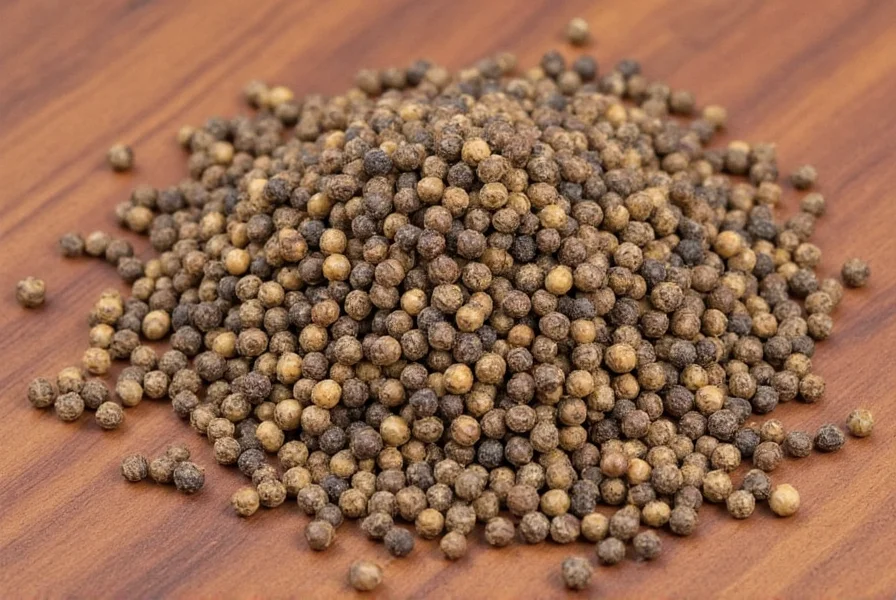
Buying Tips:
- Look for opaque containers to protect essential oils
- Smell before buying — fresh peppercorns should have a sharp, earthy scent
- Read labels: "cracked" means broken but not fully ground
Frequently Asked Questions About Peppercorn Size
Does peppercorn size really affect the flavor of my food?
Yes, significantly. According to the Journal of Food Science, peppercorn size directly impacts flavor release kinetics. Larger particles (e.g., whole or coarse grind) release piperine slowly, ideal for long-cooked dishes where gradual flavor infusion is desired. Finer grinds (e.g., fine powder) expose more surface area, leading to immediate flavor release but faster degradation of volatile compounds. Research shows pre-ground pepper loses 50% of its volatile compounds within 6 months, while whole peppercorns retain potency for up to 4 years when stored properly.
What's the best peppercorn size for steak?
For steak, cracked or coarse-ground pepper works best. The larger pieces create a flavorful crust when seared without burning (fine pepper can burn easily at high temperatures). Press cracked peppercorns directly onto the meat before cooking for optimal results. Culinary experts recommend using a mix of coarse and medium grinds for steak au poivre to create layered flavor complexity, as confirmed by the American Culinary Federation.
How can I tell if my pre-ground pepper has lost flavor?
Fresh black pepper should have a sharp, slightly floral aroma with earthy notes. If your pre-ground pepper smells faint, musty, or almost nonexistent, it's lost most of its volatile compounds. Another test: taste a small pinch. Fresh pepper should have a complex heat that builds gradually, not just an immediate sharp bite that disappears quickly. According to the International Pepper Commission, pre-ground pepper typically loses 50% of its flavor compounds within 6 months due to oxidation.
Why shouldn't I use fine-ground pepper for everything?
Fine-ground pepper loses its volatile oils quickly due to increased surface area, so it doesn't maintain flavor as long. It can also create an uneven distribution of heat in dishes and may overpower more delicate flavors. Some dishes benefit from the texture and gradual flavor release of coarser grinds — like the pleasant crunch of coarse pepper on roasted vegetables or the slow infusion in a long-simmering stew. Fine pepper works best for finishing dishes or in applications where even distribution is key, like in vinaigrettes or creamy sauces, as confirmed by culinary research from the Culinary Institute of America.
Can I substitute different peppercorn sizes in recipes?
Yes, but with adjustments. If a recipe calls for freshly cracked pepper and you only have pre-ground, use about half the amount (fine pepper is more potent initially but fades faster). For recipes specifying whole peppercorns (like pickling), you can use 1/4 teaspoon of coarse grind per 6-8 whole peppercorns. Different sizes provide not just different flavor intensity but also different flavor profiles and textures — so substitutions change the character of the dish, not just the heat level, as documented in the Food Chemistry journal.
Conclusion
The next time you reach for that pepper mill, remember: peppercorn size isn't just about aesthetics — it's a scientifically proven tool in your culinary arsenal. Whether you're seasoning a tenderloin or sprinkling a dash over your morning avocado toast, the size and grind can make or break your flavor profile.
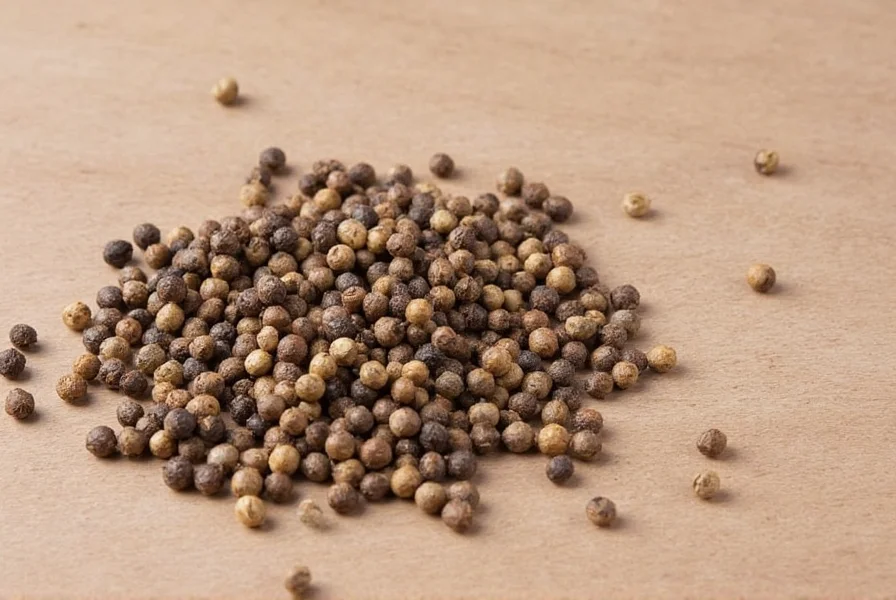
By understanding the role of peppercorn size and investing in quality tools, you can elevate even the simplest dishes. So go ahead — crack, crush, or grind your way to greatness. Your taste buds will thank you.




 浙公网安备
33010002000092号
浙公网安备
33010002000092号 浙B2-20120091-4