
Look, I've canned over 200 jars of pepper relish in my backyard kitchen since 2004. And honestly? Most online recipes are playing Russian roulette with your health. Let's fix that right now.
Why Your Average "Pepper Relish Recipe" Could Make You Sick
See, here's the thing nobody tells you: Botulism spores laugh at your fridge. They only die when you hit two conditions simultaneously—proper acidity (pH below 4.6) and sufficient heat processing. Most Pinterest recipes skip the science and just say "add vinegar." Big mistake.
| Ingredient | Why It Matters | Common Recipe Mistakes |
|---|---|---|
| Distilled white vinegar (5% acidity) | Lowers pH to safe level; kills botulism spores | Substituting wine vinegar (4%) or homemade vinegar (untested) |
| Sugar | Preserves texture; balances acidity for shelf stability | "Light" versions reducing sugar below 2 cups |
| Processing time | Ensures heat penetrates to jar center | "Just pour hot relish in jars" methods |
Pro tip: That "homemade" apple cider vinegar from your neighbor? Unless it's lab-tested at 5% acidity, it's a gamble. Stick to commercial distilled white vinegar—it's cheap and consistent.
Your Only Safe Pepper Relish Framework (USDA-Approved)
Based on the National Center for Home Food Preservation's tested recipe, here's the non-negotiable foundation:
- Total peppers: Exactly 10 cups ground (bell + hot)
- Vinegar: 2½ cups distilled white (5%)
- Sugar: Minimum 2 cups
- Processing: Pints 10 min (sea level), 15 min (1,001-6,000 ft), 20 min (above 6,000 ft)
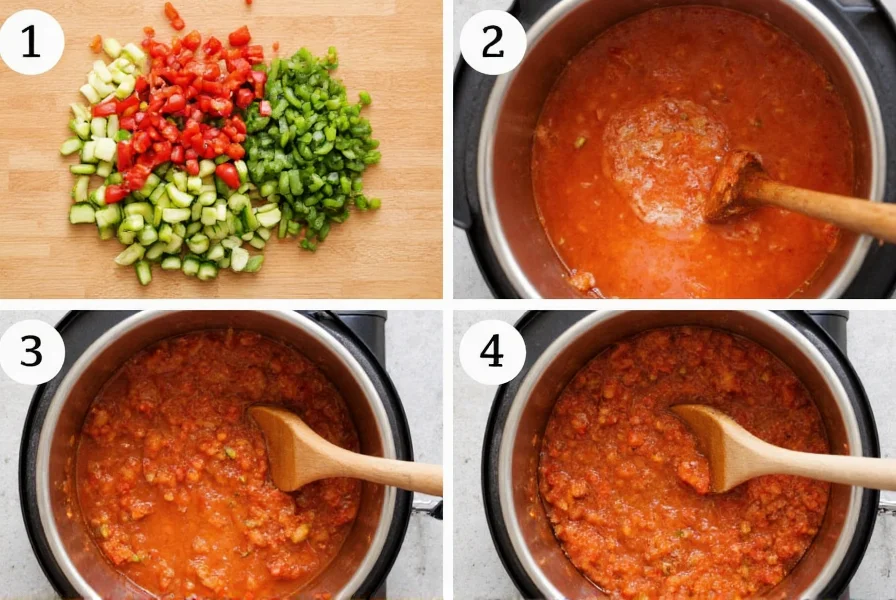
Now, where beginners go wrong: They think "I'll just use all jalapeños." Nope. Too much hot pepper throws off the acid balance. Here's how to safely tweak heat:
| Heat Level | Bell Peppers | Jalapeños | When to Use | When to Avoid |
|---|---|---|---|---|
| Mild | 8 cups | 2 cups | Kid-friendly meals, cream cheese dips | With grilled meats needing punch |
| Medium (Standard) | 5 cups | 5 cups | Versatile for beans, sandwiches, eggs | If you hate any heat |
| Hot | 3 cups | 7 cups | With cornbread, blackened fish | If using serranos (too acidic) |
Notice something? The total pepper volume never changes. That's the magic number for safety. And seriously—don't swap in serranos. Their thinner walls alter water content, messing with pH. Stick to jalapeños for heat control.
Real Talk: What Nobody Tells You About Canning
I've had jars fail at year two because of one thing: headspace errors. Leave exactly ½ inch. Too little? Relish boils over and breaks the seal. Too much? Air pockets cause mold. Use a ruler—no eyeballing.
Also, that "bubbling" you see after processing? Totally normal. But if bubbles appear after cooling? Toss the jar. Air got in. Seen it happen with otherwise perfect batches.
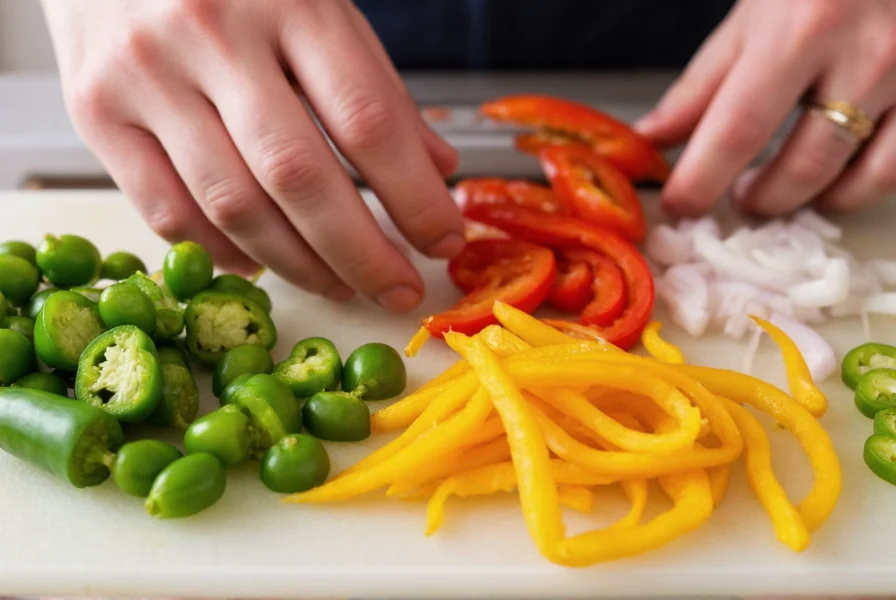
Storage Reality Check
Unopened jars last 18 months in a cool, dark place—not on your sunny kitchen counter. Once opened? Refrigerate and use within 3 weeks. And please, don't be that person who says "it smells fine" after mold appears. Botulism toxin has no smell.
Pro storage hack: Date your jars with masking tape. I still have a 2019 batch that's perfect because it sat in my basement at 55°F.
Everything You Need to Know
No. Sugar isn't just for sweetness—it preserves texture and maintains acidity balance. Reducing it risks spoilage. The USDA-tested recipe requires exactly 2 cups for 10 cups peppers to ensure pH stays below 4.6.
Light exposure. Always store in dark pantries or use amber jars. Clear mason jars need opaque storage boxes. Browning doesn't mean unsafe, but quality degrades faster.
Absolutely—but wash thoroughly. Garden peppers often have soil microbes. The Crunchy Ginger's beginner guide recommends scrubbing with a vegetable brush before chopping.
Press the center of the lid. If it doesn't pop up and down, it's sealed. Also, sealed jars make a "ping" sound within 24 hours as they cool. Never test by opening—that breaks the vacuum.
Final Reality Check
Pepper relish isn't hard—but it's not forgiving. Follow the ratios, respect the processing times, and you'll have killer condiments for breakfast eggs or BBQ sliders. Mess with the science? Well, I've opened enough moldy jars to know it's not worth the risk. Stick to tested methods, and you'll be the hero at every potluck.
One last thing: That "secret family recipe" your aunt swears by? Unless it's been pH-tested, treat it like folklore. Safety first, always.




 浙公网安备
33010002000092号
 浙B2-20120091-4