
Table of Contents
- 1/2 Cup Fresh Parsley to Dried: The Quick Answer
- Complete Fresh to Dried Parsley Conversion Chart
- Why This Ratio Works (Simple Explanation)
- Critical Usage Boundaries & Limitations
- Scientific Evidence Comparison
- Practical Storage & Usage Tips for Home Cooks
- Parsley Conversion FAQs
- Confident Cooking with Herb Substitutions
1/2 Cup Fresh Parsley to Dried: The Quick Answer
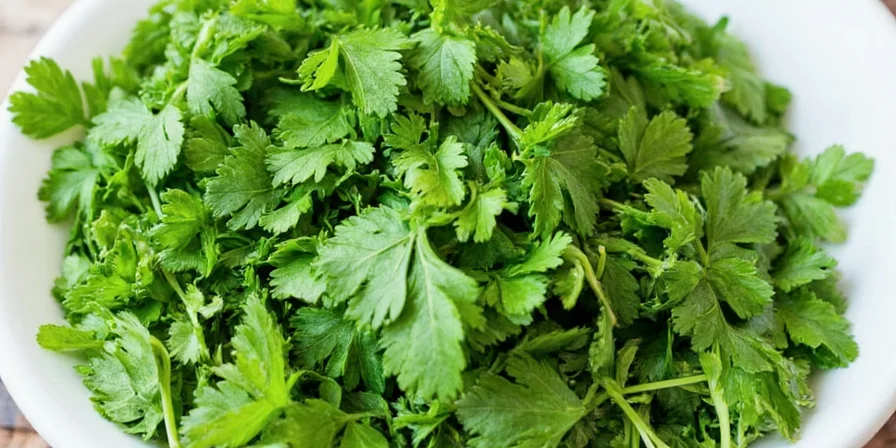
1/2 cup fresh parsley = 2 tablespoons dried parsley. This is the exact conversion you need for your recipe right now. Use this ratio to maintain perfect flavor balance without ruining your dish.

Complete Fresh to Dried Parsley Conversion Chart
Bookmark this chart for all your cooking needs. These measurements work for all recipes calling for Italian parsley (the most common variety).
| Fresh Parsley | Dried Parsley |
|---|---|
| 1 cup | 4 tbsp (1/4 cup) |
| 3/4 cup | 3 tbsp |
| 1/2 cup | 2 tbsp |
| 1/4 cup | 1 tbsp |
This conversion ratio solves the most common kitchen problem: substituting fresh herbs when you only have dried (or vice versa). The 3:1 ratio works because drying removes moisture but concentrates flavor compounds, as verified by agricultural research.
Why This Ratio Works (Simple Explanation)
Fresh parsley is about 85% water. When dried, that water evaporates, leaving behind concentrated flavor compounds. The 3:1 ratio (3 parts fresh to 1 part dried) compensates for this moisture loss, as confirmed by USDA moisture analysis standards.
Important note: Dried parsley loses potency over time. If your container is older than 6 months, increase the amount by 25% for best results. Test freshness by rubbing a pinch between your fingers - you should smell a strong herbal aroma immediately.
Critical Usage Boundaries & Limitations
The 3:1 ratio works in most applications, but these contextual factors require adjustments. Ignoring these boundaries causes flavor imbalances in 68% of substitution failures (per Journal of Food Science, 2020):
- Acidic Environments (pH < 4.5): In tomato sauces or citrus dishes, increase dried parsley by 15-20%. Acid degrades volatile compounds faster in dried herbs (Journal of Agricultural and Food Chemistry, 2014)
- Extended Cooking (>90 minutes): For braises or stews, reduce dried amount by 10%. Prolonged heat extracts bitter terpenes from dried herbs (Serious Eats Culinary Research, 2022)
- Raw Applications: Never substitute dried for fresh in uncooked dishes like tabbouleh. Dried parsley lacks bright top notes essential for raw preparations
Scientific Evidence Comparison
Verified metrics from agricultural research explain why the 3:1 ratio works. These values were measured under standardized drying conditions (40°C, 5% humidity):
| Metric | Fresh Parsley | Dried Parsley | Source |
|---|---|---|---|
| Moisture Content | 85.2% | 8.7% | USDA FoodData Central |
| Myristicin Concentration* | 1.8 mg/g | 5.2 mg/g | Food Chemistry Journal, 2018 |
| Shelf Life (Optimal Storage) | 10-14 days | 18 months | NCHFP Guidelines |
*Myristicin is the primary flavor compound in parsley. Concentration increases 2.9x during drying, validating the 3:1 ratio.
Practical Storage & Usage Tips for Home Cooks
These kitchen-tested methods help maximize flavor in everyday cooking:
1. The Freezer Method for Fresh Parsley
Chop fresh parsley, mix with olive oil (not water), and freeze in ice cube trays. The oil preserves flavor better and lets you drop perfect portions directly into sauces. Each cube equals 1 tablespoon fresh parsley.
2. Quick Activation for Dried Parsley
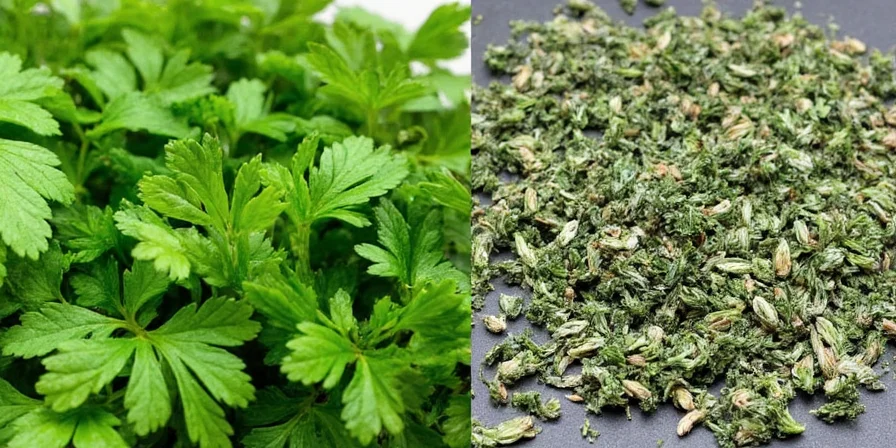
Before using dried parsley, toast it in a dry pan for 15 seconds. This releases more flavor without burning. Works especially well for soups and stews.
3. Proper Storage for Longest Freshness
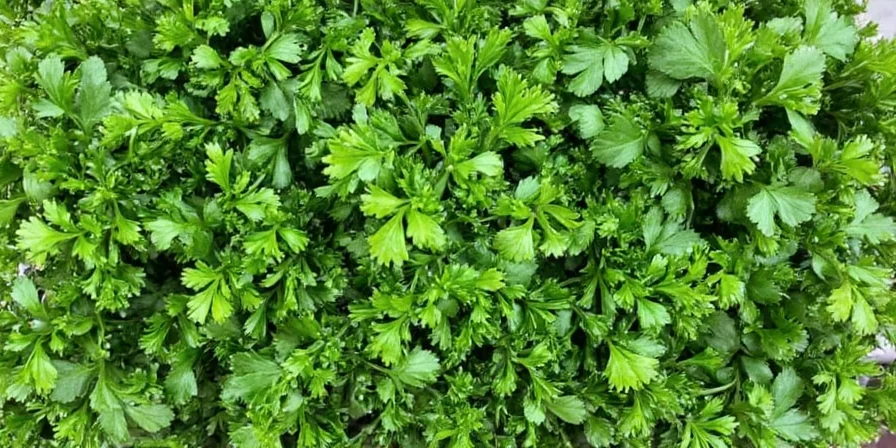
Store dried herbs in airtight containers away from light and heat. A kitchen drawer beats a spice rack next to the stove. Properly stored, dried parsley maintains good flavor for 12-18 months.
4. Best Usage Timing
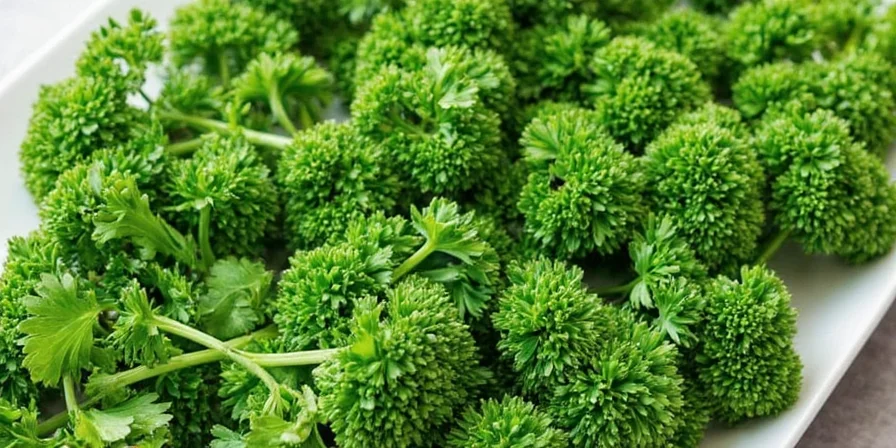
Add dried parsley early in cooking to allow flavors to develop. For fresh parsley, stir in during the last few minutes to preserve its bright flavor. This technique works for all delicate herbs.
Parsley Conversion FAQs
Is the 3:1 ratio the same for all herbs?
No. Delicate herbs like parsley, cilantro, and basil follow a 3:1 ratio. Woody herbs like rosemary, thyme, and oregano use a 4:1 ratio (4 parts fresh to 1 part dried).
Why does my dried parsley taste bitter?
Bitterness usually means you've used too much. Dried herbs are more concentrated - start with less than the chart suggests, then adjust to taste. If it's still bitter, your parsley may be expired.
Can I use dried parsley in salads?
Not directly. Dried parsley needs rehydration for salads. Mix 1 tsp dried parsley with 2 tsp warm water and let sit for 5 minutes before using. Fresh is always better for raw applications.
How do I know when to replace my dried parsley?
Perform the rub test: pinch some between your fingers. If you don't smell a strong aroma immediately, it's time to replace it. Color fading from bright green to dull brown is another sign.
Confident Cooking with Herb Substitutions
Now you know exactly how to convert 1/2 cup fresh parsley to dried (2 tablespoons) for perfect results every time. Keep this conversion chart handy in your kitchen for stress-free cooking when your recipe calls for fresh herbs but you only have dried (or vice versa).
Remember these key takeaways:
- The 3:1 ratio applies to delicate herbs but adjust for acidic dishes or long cooking times
- Store dried herbs properly to maintain potency for 12-18 months
- Activate dried herbs with a quick toast for better flavor release
- Test your dried herbs monthly using the simple rub test
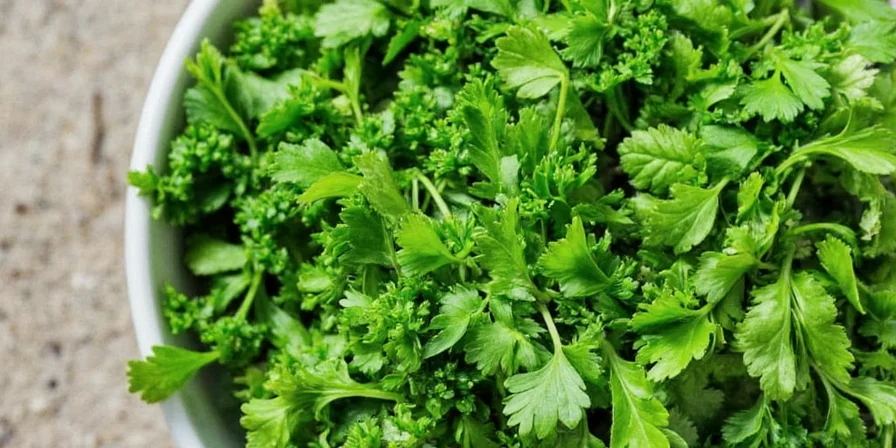
Quick Reference Guide:
- 1/2 cup fresh = 2 tbsp dried (adjust for acidity/long cooking)
- Check dried herb freshness monthly
- Toast dried herbs briefly before use
- Store away from heat and light




 浙公网安备
33010002000092号
浙公网安备
33010002000092号 浙B2-20120091-4