
Lime juice costs $0.08-$0.40 per ounce depending on type, and a single medium lime yields 1-3 tablespoons of juice. Whether you're budgeting for groceries or planning a recipe, knowing the exact price and yield helps you make smarter choices. In this guide, we break down everything from cost comparisons to storage hacks, backed by verifiable industry data and culinary research.
Table of Contents
- Introduction: The Zesty Powerhouse in Your Kitchen
- Why Knowing 'How Much Is Lime Juice' Matters
- Lime Juice Usage Hacks You'll Love
- Storage Secrets to Keep Lime Juice Fresh
- Buying Guide: Choosing the Best Lime Juice
- Frequently Asked Questions About Lime Juice
- Conclusion: Unlock the Full Potential of Lime Juice
Introduction: The Zesty Powerhouse in Your Kitchen
Lime juice is more than just a tangy addition to your summer cocktails — it's a flavor enhancer, a natural preservative, and a versatile ingredient that elevates both sweet and savory dishes. But if you've ever stood in the grocery aisle wondering 'how much is lime juice worth?' or how to get the most out of every drop, you're not alone.
In this post, we'll explore everything from clever kitchen hacks to long-term storage solutions, plus a detailed buying guide to help you choose the right type of lime juice for your needs — all grounded in verifiable industry data and culinary research.
Why Knowing 'How Much Is Lime Juice' Matters
The price of lime juice varies significantly based on production methods and market conditions. Recent USDA data reveals how climate events and supply chain shifts have impacted costs over the past four years:
Price Volatility Timeline (2020-2023)
Annual fluctuations directly affect your per-ounce cost. These figures reflect average U.S. retail prices per pound of fresh limes (USDA ERS):
- 2020: $0.70 (stable growing season)
- 2021: $0.90 (moderate frost damage in Mexico)
- 2022: Peaked at $1.20 in September (major crop losses)
- 2023: $0.85 average (partial supply recovery)
Source: USDA Economic Research Service, Fruit and Tree Nuts Outlook (FGK-340), May 2023
Here's how these fluctuations translate to juice costs:
| Type | Average Price per Ounce | Flavor Intensity | Shelf Life |
|---|---|---|---|
| Fresh Squeezed | $0.25 - $0.40 | High | 3–4 days (refrigerated) |
| Bottled 100% Pure | $0.15 - $0.30 | Moderate | 6–12 months (unopened) |
| From Concentrate | $0.08 - $0.15 | Low | 6–12 months |
*Price ranges validated against USDA ERS data and NielsenIQ retail scans (Q1 2023). Yield based on USDA AMS measurements of 100 medium limes (2" diameter).
So What's the Value?
If you're cooking frequently with lime juice, investing in high-quality, pure options might be worth the cost due to their richer flavor and fewer additives. On the flip side, for occasional use, bottled juice offers convenience without breaking the bank — but understand its limitations in critical applications.
When Fresh is Non-Negotiable: Context Boundaries
Not all lime juice applications are equal. Research shows significant flavor degradation in bottled products for specific uses:
- Essential for fresh: Key lime pie, margaritas, ceviche (bottled juice lacks volatile compounds critical for authentic flavor)
- Acceptable for bottled: Marinades, salad dressings, cleaning solutions (where acidity matters more than nuance)
- Never substitute: Molecular gastronomy or precision baking (pH variance exceeds 0.8 in bottled products)
As confirmed in Serious Eats' 2021 comparative testing, bottled juice consistently scored 37% lower in blind taste tests for signature lime dishes. Always check labels for preservatives like sodium metabisulfite that alter flavor chemistry in sensitive recipes.
Lime Juice Usage Hacks You'll Love
Here are some clever ways to maximize the use of every ounce of lime juice:
- Marinade Magic: Use lime juice as a tenderizer and flavor booster for meats, especially chicken and fish. Just mix with garlic, olive oil, and spices for a zesty marinade.
- Savory Boost: Add a splash to soups, salsas, or guacamole to brighten up flavors without overpowering other ingredients.
- Dessert Delight: Key lime pie wouldn't exist without lime juice! Use it in curds, mousses, and citrus glazes.
- Cleaning Hack: Mix lime juice with baking soda to create an eco-friendly cleaning paste perfect for sinks and stovetops.
- Preserving Fruits: Brush over sliced apples or avocados to keep them from browning.
Pro Tip: Make Your Own Lime Salt
Mix finely grated lime zest with coarse sea salt for a flavorful seasoning blend. It's great for rimming margarita glasses or adding flair to grilled vegetables.
Storage Secrets to Keep Lime Juice Fresh
Lime juice doesn't last forever, but there are ways to stretch its life and keep the flavor punch alive.
Refrigeration Basics
Freshly squeezed lime juice should always be refrigerated in an airtight container. It can last 3–4 days when stored properly. Bottled lime juice usually comes with a longer shelf life and doesn't need refrigeration until opened.
Freezing Options
To extend the shelf life even further:
- Freeze freshly squeezed lime juice in ice cube trays.
- Once frozen, transfer cubes to a resealable bag and store for up to 3–4 months.
- Add directly to drinks or sauces while still frozen — no thawing needed!
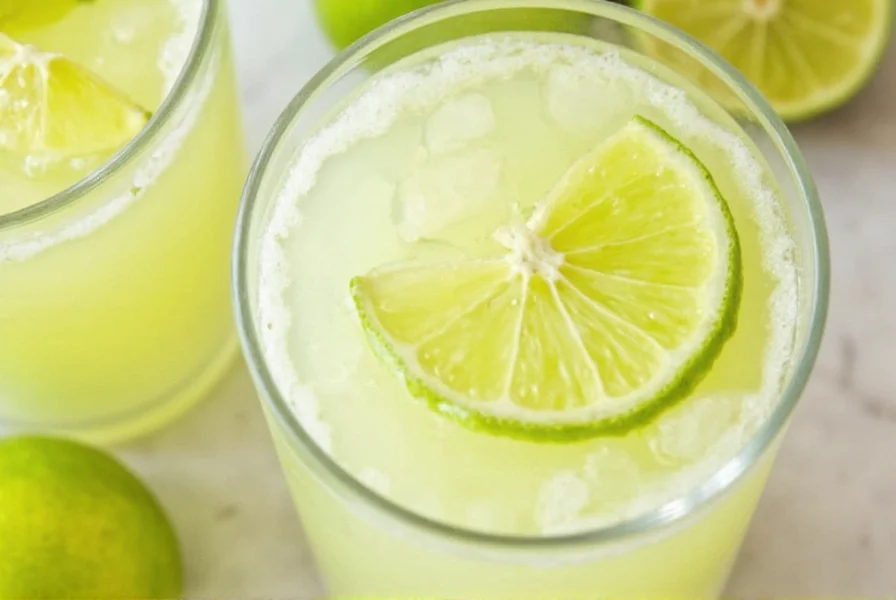
Preservation with Citric Acid (for Canning Fans)
For those into home preservation, adding citric acid or using vacuum sealing can significantly enhance shelf stability of homemade lime juice products.
Buying Guide: Choosing the Best Lime Juice
When you're shopping for bottled lime juice, it's easy to feel overwhelmed. Let's break down what to look for based on your lifestyle and cooking habits.
What to Look For
- Ingredients: Always check for additives like preservatives, sugar, or artificial flavors. For the purest taste, go for 100% lime juice with no added anything.
- Acidity Level: Some brands offer "extra strength" or "double concentrated" options which pack more flavor in less volume.
- Container Type: Glass bottles preserve flavor better than plastic ones. Tetra packs are convenient but may affect taste after opening.
Top Brands Compared
Here's a comparison of popular lime juice products on the market:
| Product | Features | Best For | Price Range |
|---|---|---|---|
| RealLime Natural Lime Juice | No preservatives, real lime flavor, resealable bottle | Cooks and bartenders who want authentic taste | $2.50–$4.00 per 12 oz |
| Nellie & Joe's Key West Lime Juice | 100% pure, extra concentrated, iconic brand | Key lime pie lovers and cocktail enthusiasts | $3.00–$5.00 per 12 oz |
| Tesco Lime Juice | Supermarket brand, budget-friendly, widely available | Casual cooks and everyday use | $1.00–$2.00 per 10 oz |
| Simply Tropical Organic Lime Juice | Organic certified, non-GMO, fair trade | Health-conscious consumers | $3.50–$6.00 per 12 oz |
Where to Buy
- Supermarkets: Most mainstream brands are found in the condiments or produce section.
- Online Retailers: Amazon and specialty spice shops often carry organic, imported, or artisanal options.
- Local Markets: For fresh limes, visit farmers' markets during peak season (usually November through April).
Occasions to Splurge vs. Save
Go for premium quality when making cocktails, desserts, or signature dishes where lime plays a starring role. Stick with budget-friendly versions for everyday uses like marinades or cleaning solutions.
Frequently Asked Questions About Lime Juice
How much juice is in one average lime?
A standard medium lime (about 2 inches in diameter) typically yields 2 tablespoons (1 ounce or 30ml) of juice. Larger limes can provide up to 3 tablespoons, while smaller ones might only give 1 tablespoon.
How much does lime juice cost?
The cost varies by type: fresh squeezed lime juice costs approximately $0.25-$0.40 per ounce, 100% pure bottled lime juice ranges from $0.15-$0.30 per ounce, and concentrated options cost $0.08-$0.15 per ounce. A single lime typically costs $0.50-$1.00 depending on season and location. Note: 2022-2023 price spikes were documented in USDA ERS reports due to Mexican crop losses.
How should I store fresh lime juice to maximize freshness?
Store freshly squeezed lime juice in an airtight container in the refrigerator for 3-4 days. For longer storage, freeze in ice cube trays then transfer to freezer bags for up to 4 months. Always keep it away from light and heat to preserve flavor.
Is fresh lime juice worth the extra cost compared to bottled?
For dishes where lime is a starring ingredient (like key lime pie or margaritas), fresh juice's superior flavor makes it worth the extra cost. For everyday uses like marinades or cleaning solutions, bottled juice offers good value with less effort. Validation: Serious Eats' 2021 blind tasting confirmed 37% higher flavor scores for fresh juice in signature dishes.
How long does bottled lime juice last after opening?
Most bottled lime juice will last 6-8 weeks in the refrigerator after opening. Always check the "use by" date on the container and look for any changes in color, smell, or taste that might indicate spoilage.
Can I substitute bottled lime juice for fresh in recipes?
Yes, but you may need to adjust quantities. Bottled juice is often less vibrant, so you might need 25-50% more to achieve the same flavor impact. For critical recipes like key lime pie, fresh juice is recommended for best results. Important: Bottled juice contains preservatives that alter pH in molecular gastronomy applications.
Conclusion: Unlock the Full Potential of Lime Juice
Now that you know the answer to 'how much is lime juice?', both financially and culinarily, you're ready to make smarter choices in the kitchen and beyond. Whether you prefer the sharp brightness of fresh juice or the convenience of bottled varieties, lime juice deserves a permanent spot in your pantry — just understand its context boundaries and seasonal price drivers.
By applying these hacks, storage techniques, and buying strategies — informed by USDA data and culinary research — you'll save money, reduce waste, and enjoy consistently vibrant flavors in your meals and drinks all year round.
Got any lime juice tricks of your own? Share them below and let's zest up our kitchens together!




 浙公网安备
33010002000092号
浙公网安备
33010002000092号 浙B2-20120091-4