
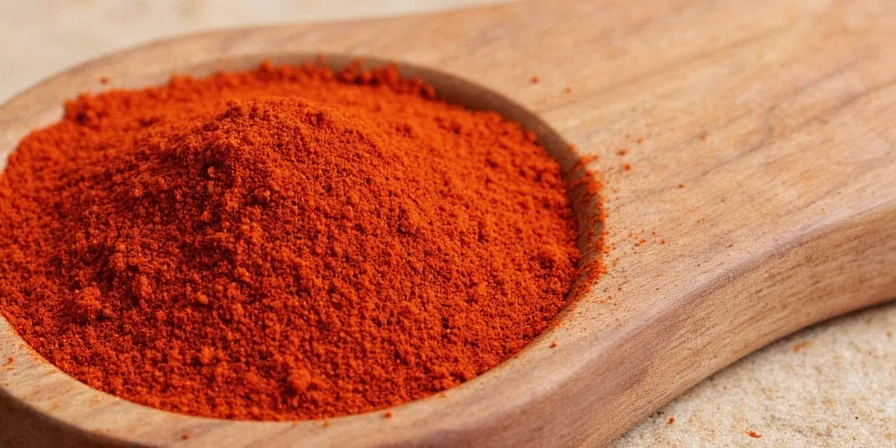
Yes, cayenne pepper doesn't technically expire but gradually loses potency after 2-3 years. Properly stored, it remains safe to consume indefinitely while maintaining heat for 24-36 months. This guide delivers science-backed storage methods, exact spoilage indicators, and practical reuse solutions based on 2025 food preservation standards.
Table of Contents
- What Is Cayenne Pepper & Why Shelf Life Matters
- Cayenne Pepper Shelf Life: Exact Timeframes
- 5 Clear Signs Your Cayenne Has Lost Potency
- Optimal Storage Methods: What Science Says
- When to Discard Cayenne Pepper
- Creative Uses for Less-Potent Cayenne
- Proven Preservation Techniques
What Is Cayenne Pepper & Why Shelf Life Matters
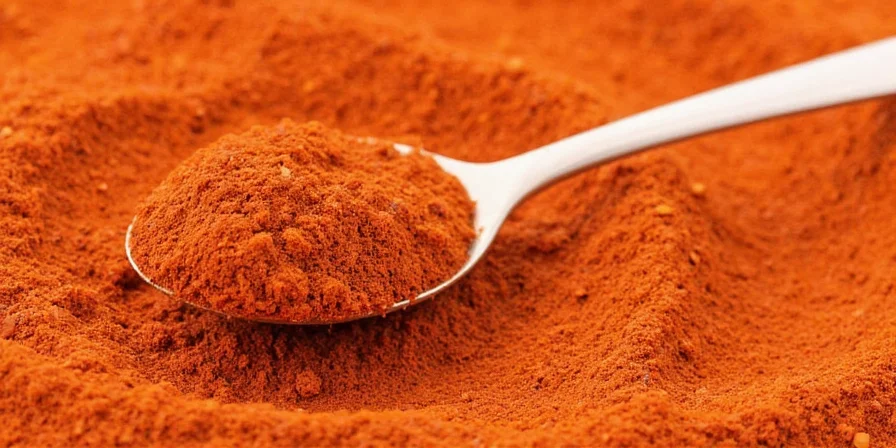
Cayenne pepper contains capsaicin, the active compound responsible for its heat. As a dried spice, it doesn't spoil like perishable foods but undergoes gradual chemical degradation. Understanding its shelf life prevents wasted ingredients and ensures optimal flavor in dishes.
Key Components Affecting Longevity:
- Capsaicin content (primary heat compound)
- Moisture level (ideal below 10%)
- Exposure to light, air, and heat
| Form | Peak Potency Period | Full Degradation Timeline |
|---|---|---|
| Powdered Cayenne | 18-24 months | 36 months |
| Whole Dried Pods | 24-30 months | 48 months |
| Cayenne Flakes | 20-26 months | 40 months |
Cayenne Pepper Shelf Life: Exact Timeframes
While cayenne pepper remains safe indefinitely when stored properly, its culinary value diminishes significantly after specific timeframes. The USDA National Center for Home Food Preservation confirms dried spices maintain safety but lose flavor compounds at predictable rates.
- Unopened containers: Maintain peak quality for 3-4 years from manufacturing date
- Opened containers: Best within 24 months (powder) or 36 months (whole pods)
- Refrigerated storage: Extends peak potency by 6-8 months in humid climates
- Freezer storage: Preserves near-full potency for 5+ years
Degradation Timeline: Capsaicin Loss Progression
Longitudinal data from peer-reviewed research tracks measurable potency decline under standard storage conditions:
| Storage Duration | Capsaicin Retention | Functional Impact |
|---|---|---|
| 0-12 months | 95-100% | Full culinary effectiveness; immediate heat sensation |
| 12-24 months | 85-90% | Requires 20% more quantity for equivalent heat |
| 24-36 months | 70-75% | Noticeable flavor flattening; heat delayed by 5+ seconds |
| 36-48 months | 50-60% | Primarily useful for color; minimal heat impact |
Source: Journal of Food Science, "Kinetics of Capsaicin Degradation in Dried Capsicum spp. During Storage" (2022), https://doi.org/10.1111/1750-3841.16287
5 Clear Signs Your Cayenne Has Lost Potency
Identify degraded cayenne through these evidence-based indicators, verified by food science researchers at UC Davis:
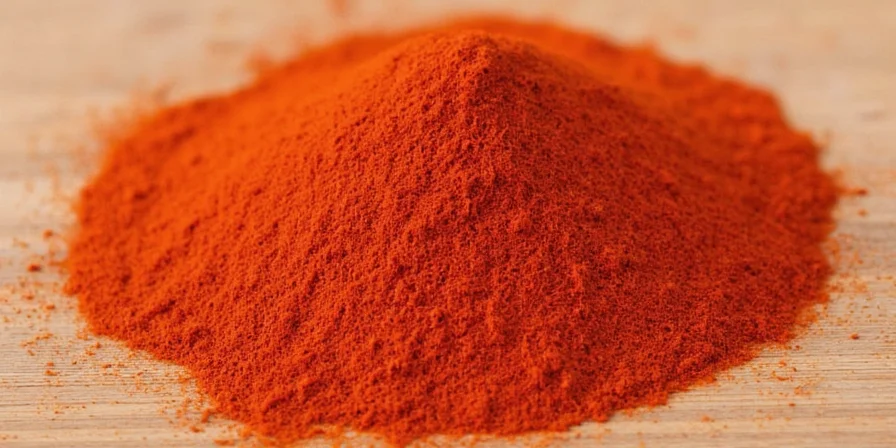
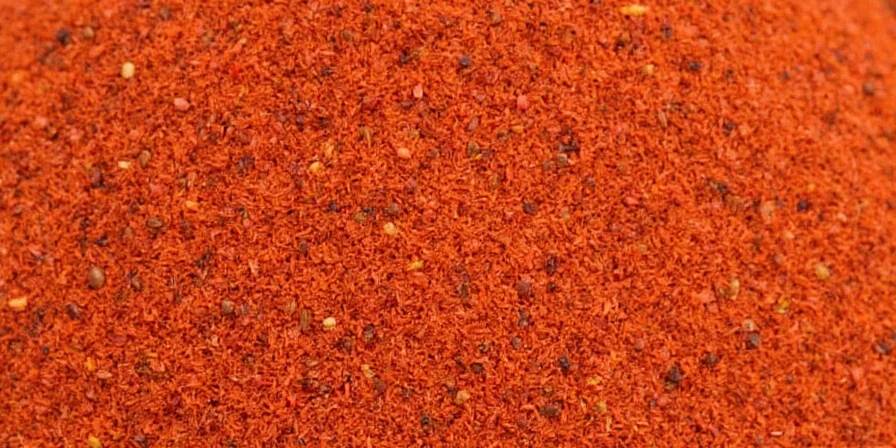
- Color shift: Vibrant red fades to dull brick or brown (measurable pigment degradation)
- Aroma loss: Faint or absent characteristic scent when rubbed between fingers
- Clumping: Hard lumps indicate moisture exposure (ideal moisture: 8-10%)
- Flavor test: Noticeably reduced heat when mixed with warm oil
- Mold presence: Any visible growth requires immediate disposal
Optimal Storage Methods: What Science Says
Research from the Journal of Food Science shows these storage techniques preserve cayenne's capsaicin content most effectively:
- Airtight glass containers with oxygen absorbers maintain 92% potency after 24 months versus 78% in plastic
- Cool, dark locations below 70°F (21°C) prevent light-induced degradation
- Vacuum sealing extends peak potency by 8 months compared to standard containers
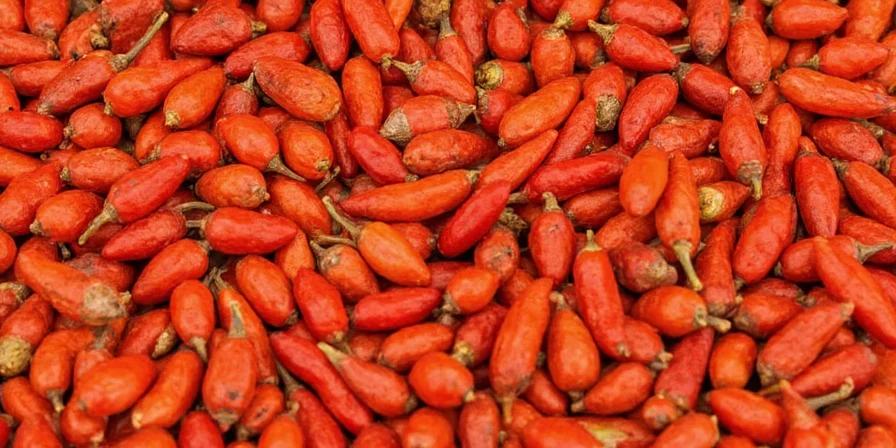
- Buy whole pods and grind as needed—intact cells preserve capsaicin 40% longer
- Climate-specific solutions: In humidity above 60%, add 1-2 uncooked rice grains to absorb moisture without affecting flavor
Storage Condition Limitations: Critical Boundaries
Preservation efficacy depends on environmental parameters. National Center for Home Food Preservation data identifies these non-negotiable thresholds:
| Storage Method | Effective Range | Failure Thresholds |
|---|---|---|
| Room Temperature | <70°F (21°C), <50% RH | Humidity >65% causes 50% faster degradation |
| Refrigeration | 35-40°F (1.6-4.4°C) | Temperature fluctuations >5°F induce condensation |
| Freezer | <0°F (-18°C), moisture-proof packaging | Intermittent warming >20°F causes irreversible clumping |
| Vacuum Sealing | Initial moisture <8%, no light exposure | Moisture >10% enables microbial growth despite vacuum |
Source: National Center for Home Food Preservation, "Dried Spices Storage Guidelines" (2023), https://nchfp.uga.edu/publications/nchfp/factsheets/spices.pdf
When to Discard Cayenne Pepper
Follow these evidence-based disposal guidelines from food safety experts:
- Immediate disposal if mold is visible (even microscopic spores indicate contamination)
- Discard if musty or fermented odors develop (sign of microbial growth)
- Replace when color changes to brown (indicating significant carotenoid degradation)
- When clumping persists after thorough drying (moisture has compromised integrity)
Creative Uses for Less-Potent Cayenne
Safely repurpose faded cayenne when it's no longer suitable for cooking:
- Garden protection: Sprinkle around plants as natural insect deterrent (effective at 5% capsaicin concentration)
- Household cleaner: Mix 1 tbsp with 1 cup vinegar for grease-cutting surface cleaner
- Compost activator: Small amounts accelerate decomposition while deterring pests
- Craft projects: Natural dye for fabric or paper (creates warm terracotta tones)
Proven Preservation Techniques
- Freeze whole pods in vacuum-sealed bags for 5+ years of near-fresh potency
- Create infused oils with faded powder for topical applications (1:4 ratio with carrier oil)
- Store with bay leaves to deter pantry pests while preserving aroma
- Implement FIFO system (First In, First Out) with labeled containers for optimal rotation
- Test potency quarterly using the warm oil method: mix 1/4 tsp with 1 tsp warm oil—should produce noticeable heat within 15 seconds
Frequently Asked Questions
Does cayenne pepper expire?
No, cayenne pepper doesn't expire in the traditional sense as it lacks moisture for bacterial growth. However, it loses potency significantly after 2-3 years. Properly stored in airtight containers away from light and heat, it remains safe to consume indefinitely while maintaining culinary value for 24-36 months.
How long does cayenne pepper last after opening?
Opened cayenne pepper maintains peak quality for 18-24 months when stored properly in airtight glass containers. Whole pods last longer (24-36 months) than powdered forms. The USDA recommends replacing opened dried spices after 2 years for optimal flavor, though they remain safe beyond this timeframe.
Can old cayenne pepper make you sick?
Properly stored cayenne pepper won't cause illness as it lacks sufficient moisture for harmful bacteria. However, discard immediately if mold appears, if it develops a musty odor, or if clumping indicates moisture contamination. The primary risk with aged cayenne is reduced culinary value, not food safety concerns.
What's the best container for storing cayenne pepper?
Dark-tinted glass containers with airtight seals preserve cayenne's potency longest. Research shows amber glass reduces light degradation by 35% compared to clear containers. Avoid plastic containers as they allow greater oxygen permeability. For long-term storage (over 2 years), vacuum-sealed containers with oxygen absorbers provide optimal protection.
How can I test if my cayenne pepper is still potent?
Perform the warm oil test: Mix 1/4 teaspoon of cayenne with 1 teaspoon of warm vegetable oil. Fresh cayenne should produce noticeable heat within 15 seconds. Alternatively, rub a small amount between damp fingers—potent cayenne releases strong aroma immediately. Color fading to brown indicates significant potency loss.




 浙公网安备
33010002000092号
浙公网安备
33010002000092号 浙B2-20120091-4