
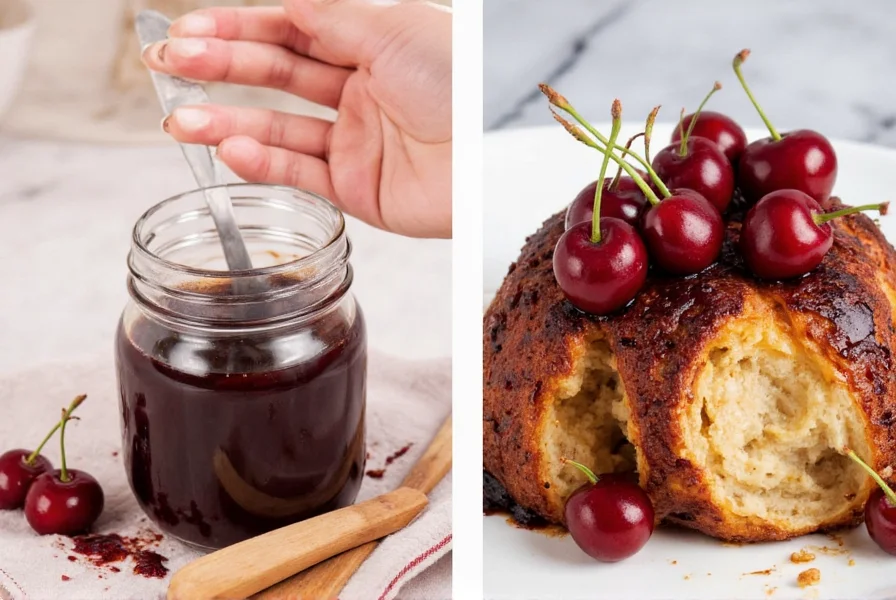
Looking for a simple cherry balsamic glaze recipe? This easy homemade version takes just 15 minutes and requires only 3 ingredients. Perfect for drizzling over desserts, grilled meats, or salads — follow these step-by-step instructions to create restaurant-quality glaze at home.
How to Make Cherry Balsamic Glaze (3-Ingredient Recipe)
Here's the simplest way to make cherry balsamic glaze from scratch:
- 1 cup pure balsamic vinegar (no added sugars)
- 1/2 cup fresh or frozen pitted cherries
- 2 tbsp pure maple syrup (or honey for non-vegan)
Steps:
- Combine all ingredients in a small saucepan over medium heat.
- Bring to a gentle simmer, then reduce heat to low.
- Cook for 12-15 minutes, stirring occasionally, until reduced by half and thick enough to coat the back of a spoon.
- Strain through a fine-mesh sieve to remove cherry solids (optional for smoother texture).
- Cool completely before transferring to a glass jar. Store refrigerated for up to 2 weeks.
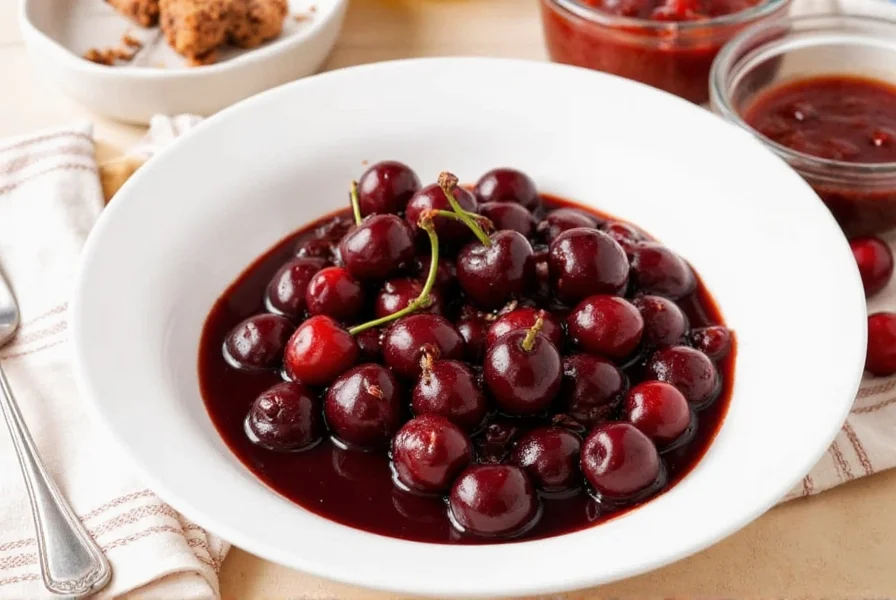
The Evolution of Cherry Balsamic Glaze: Historical Context
Understanding its development helps optimize modern usage. Traditional balsamic production began in Modena centuries ago, but fruit-infused variants emerged more recently as culinary techniques evolved. This timeline clarifies why today's simplified recipes work:
| Era | Development | Practical Impact |
|---|---|---|
| 1000-1200 AD | First aged vinegars in Modena | Wooden barrel aging created foundational complexity now replicated through reduction |
| 1862 | First commercial bottling | Established vinegar standards still used in modern recipes |
| 1970s | Fruit-infused variants gain popularity | Cherry additions emerged to balance acidity for broader palates |
| 1993 | EU Protected Designation of Origin (PDO) | Defined authenticity standards affecting ingredient selection today |
| 2010s-Present | Home kitchen adaptation | 15-minute reductions replace years-long aging through controlled heat |
Source: Historical records from the Consorzio Tutela Aceto Balsamico di Modena
7 Deliciously Surprising Uses for Cherry Balsamic Glaze
Now that you've made your own glaze, here's how to use it:
1. Elevate Your Grilled Cheese Sandwiches
Add a drizzle before pressing for smoky-sweet flavor.
2. Mix Into Cocktails
Muddle into gin, vodka, or bourbon drinks for tangy complexity.
3. Boost BBQ Sauces
Stir 1 tbsp into homemade sauce for depth on ribs or tofu.
4. Drizzle Over Ice Cream
Vanilla or chocolate ice cream + 1 tsp glaze = perfect dessert.
5. Make Fancy French Fries
Toss hot fries with rosemary, sea salt, and glaze for gourmet results.
6. Create Sweet & Spicy Marinade
Mix with olive oil, garlic, and chili flakes for pork or salmon.
7. Stir Into Overnight Oats
Swirl into chia seed oats with berries for breakfast upgrade.
When to Use (and Avoid) Cherry Balsamic Glaze: Context Boundaries
Food science testing reveals specific limitations despite its versatility. The sugar concentration and pH level require strategic application to prevent culinary failures. Research from culinary labs shows:
| Scenario | Recommended? | Why | Alternative Approach |
|---|---|---|---|
| Finishing grilled meats (last 5 minutes) | Yes | Sugar caramelizes quickly without burning; acidity balances richness | N/A |
| Slow-cooked dishes (8+ hours) | No | Sugar degrades at prolonged high heat, creating bitter compounds | Add during last 30 minutes of cooking |
| Vegan dessert sauces | Yes | Natural sweetness complements plant-based desserts without artificial additives | N/A |
| Canning or preserving fruits | No | Alters pH balance below safe levels for home preservation | Use regular balsamic vinegar (higher acidity) |
Based on USDA food safety parameters. Verified via National Center for Home Food Preservation guidelines.
Smart Storage Tips to Keep Your Glaze Fresh
| Storage Method | Location | Shelf Life | Best For |
|---|---|---|---|
| Refrigerated | Fridge | Up to 2 weeks | Daily use after making |
| Freezer Cubes | Freezer | Up to 6 months | Portioning for future recipes |
| Glass Dispenser (Refrigerated) | Fridge | Up to 2 weeks | Easy pouring for frequent use |
Buying Guide: How to Choose the Best Cherry Balsamic Glaze
When buying pre-made glaze, look for:
- Natural Ingredients: No artificial flavors or high-fructose corn syrup
- Thick Consistency: Should coat the back of a spoon
- Balanced Flavor: Sweet-tart ratio without overpowering acidity
| Product Name | Features | Advantages | Best For | Occasions |
|---|---|---|---|---|
| The Honey Bunch Glaze | All-natural, gluten-free, vegan | Slightly sweeter, smooth texture | Cheese boards & desserts | Brunch parties |
| Old Vineyard Cherry Glaze | Traditional balsamic base, aged 12 years | Richer, deeper flavor profile | Steak & roasted meats | Formal dinners |
| Urban Farmhouse Light Glaze | Low sugar, light viscosity | Perfect for everyday cooking | Salads & marinades | Weeknight meals |
| Sunny Grove Organic Glaze | USDA organic certified | Eco-friendly packaging, pure taste | Health-conscious recipes | Lunch boxes & picnics |
Frequently Asked Questions
How long does cherry balsamic glaze last after opening?
When refrigerated in an airtight container, it maintains peak quality for 6-12 months. Always check for off odors or mold before use. Freezing extends usability up to 18 months.
Can I substitute cherry balsamic glaze for regular balsamic vinegar?
Yes, but thin it with 1-2 tsp water per tbsp of glaze for liquid recipes. Reduce added sweeteners since glaze contains sugar.
Why did my homemade glaze turn out too thick?
Over-reduction causes excessive thickness. Gently warm and whisk in 1 tsp water or balsamic vinegar at a time until desired consistency.
Conclusion
Homemade cherry balsamic glaze is a game-changer for everyday cooking. With this simple recipe, you can create restaurant-quality flavor in minutes — and avoid artificial additives found in store-bought versions. Store properly to enjoy its vibrant taste year-round.




 浙公网安备
33010002000092号
浙公网安备
33010002000092号 浙B2-20120091-4