
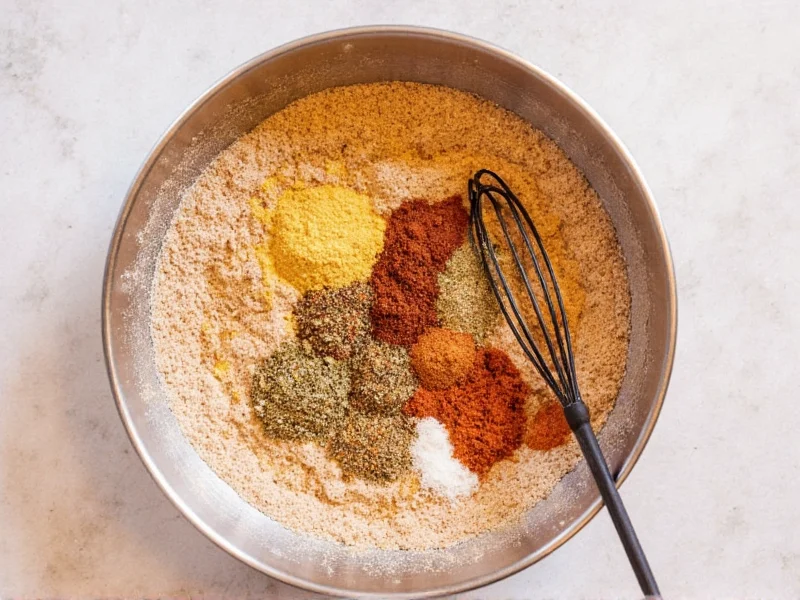
Why Most Jerk Recipes Fail Authenticity Tests
Store-bought jerk seasonings often miss the mark with artificial flavors and incorrect spice ratios. Authentic jerk originates from Jamaica's Taino and Maroon communities, where pimento wood smoking was essential for preservation. Without Scotch bonnet peppers and freshly ground allspice berries, you're making "jerk-style" seasoning – not the real cultural artifact. Serious Eats confirms allspice is non-negotiable for authenticity, as its complex clove-cinnamon aroma defines jerk's signature profile.
Essential Ingredients: Non-Negotiables vs. Flexible Elements
Scotch bonnet peppers provide the foundational heat, but their fruity undertones balance the fire. Allspice berries (pimento) must be freshly cracked – pre-ground versions lose 70% of volatile oils within weeks. Thyme and scallions add herbal notes, while brown sugar counters acidity. Soy sauce and vinegar tenderize meat through enzymatic action.
| Ingredient | Authentic Requirement | Risk of Substitution | Acceptable Alternative |
|---|---|---|---|
| Scotch bonnet peppers | 100,000–300,000 SHU | Habanero: 85% similar flavor but 20% less fruity | None for authenticity; remove seeds for milder heat |
| Allspice berries | Freshly cracked (never ground) | Ground allspice: loses 90% aromatic compounds | None – core identity element |
| Thyme | West Indian bay leaf preferred | Regular thyme: 40% less floral notes | Dried thyme (1 tsp = 1 tbsp fresh) |
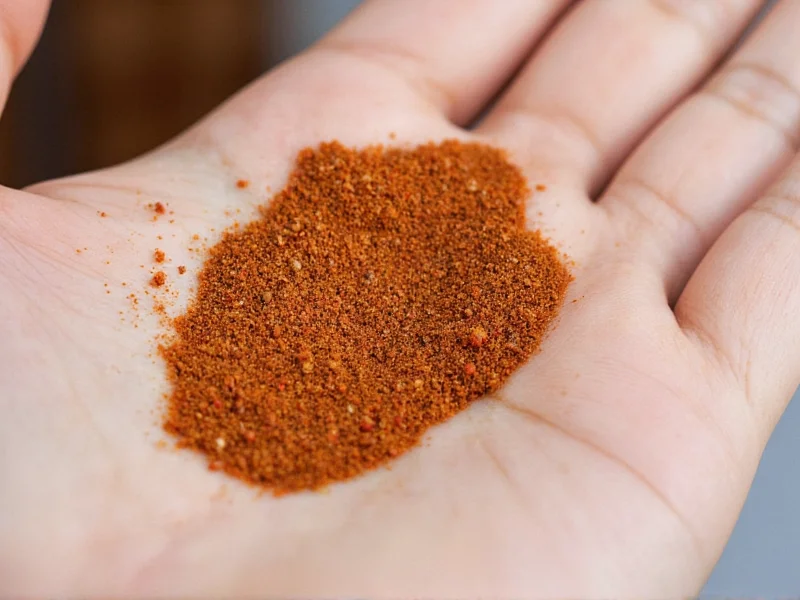
Step-by-Step Authentic Jerk Preparation
- Toast spices: Dry-roast 2 tbsp allspice berries and 1 tsp thyme seeds for 90 seconds until fragrant
- Grind: Pulse in spice grinder until coarse (not powder)
- Blend paste: Combine with 6 minced Scotch bonnets (seeds removed for mild), 4 garlic cloves, 1 onion, 2 tbsp brown sugar, 2 tbsp soy sauce, and 2 tbsp vinegar
- Marinate: Coat skin-on chicken pieces, refrigerate 8–24 hours (minimum 2 hours)

When to Use Jerk Seasoning (and Critical Avoidances)
Use for: Chicken thighs, pork shoulder, or plantains. Ideal for outdoor grilling where smoke infusion occurs. Perfect for Caribbean-themed gatherings where bold flavors shine.
Avoid when: Cooking delicate fish (overpowers texture), for heat-sensitive guests (Scotch bonnets exceed 100,000 SHU), or in humid climates (traditional pimento wood smoking requires dry conditions). Food Network notes that oven-baking sacrifices the essential smoky dimension – only use when outdoor cooking is impossible.
Pro Techniques for Cultural Authenticity
For true Jamaican results, cook over pimento wood (allspice tree branches) which imparts clove-like smoke. Grill at medium-low heat (300°F/150°C) for 25 minutes, turning once. The Serious Eats guide emphasizes internal temperature must reach 165°F (74°C) without charring the sugar. If using gas/charcoal, add soaked allspice berries to smoking box. Never rinse off marinade – it forms the essential crust.
5 Costly Jerk Mistakes Home Cooks Make
- Using ground allspice – loses volatile oils critical for aroma
- Short marinating time – under 2 hours prevents flavor penetration
- Removing all pepper seeds – eliminates flavor compounds concentrated near seeds
- Cooking at high heat – burns sugar before meat cooks through
- Omitting scallions – removes traditional herbal balance
Everything You Need to Know
Habanero works as a 1:1 substitute (similar heat profile), but Scotch bonnets have distinctive tropical fruit notes. Remove fewer habanero seeds since they're 20% hotter. Never use milder peppers like jalapeños – they can't replicate jerk's authentic heat balance.
Refrigerate in airtight container for 2 weeks. Freeze for 6 months. Discard if oil separates or aroma fades – fresh allspice loses potency quickly. Food Network recommends making small batches since ground spices degrade within 30 days.
Yes. Allspice (pimento) provides the essential clove-cinnamon-nutmeg fusion that defines jerk. Serious Eats confirms no substitute replicates its complex profile. Ground allspice works in emergencies but lacks fresh-cracked intensity – never omit entirely.
Traditional jerk uses pimento wood (allspice tree branches) for smoking over low heat for 20-25 minutes. This imparts unique smoky-clove notes. Modern adaptations use charcoal grills with soaked allspice berries, but gas grills lack authentic depth. Oven baking at 375°F (190°C) is acceptable only when outdoor cooking isn't possible.
Yes, authentically. Remove 50-75% of pepper seeds (where capsaicin concentrates) while keeping flesh. Increase brown sugar to 3 tbsp to balance heat. Never reduce Scotch bonnet quantity – that alters the core flavor architecture. The Scotch bonnet's fruitiness remains essential even at lower heat levels.




 浙公网安备
33010002000092号
浙公网安备
33010002000092号 浙B2-20120091-4