
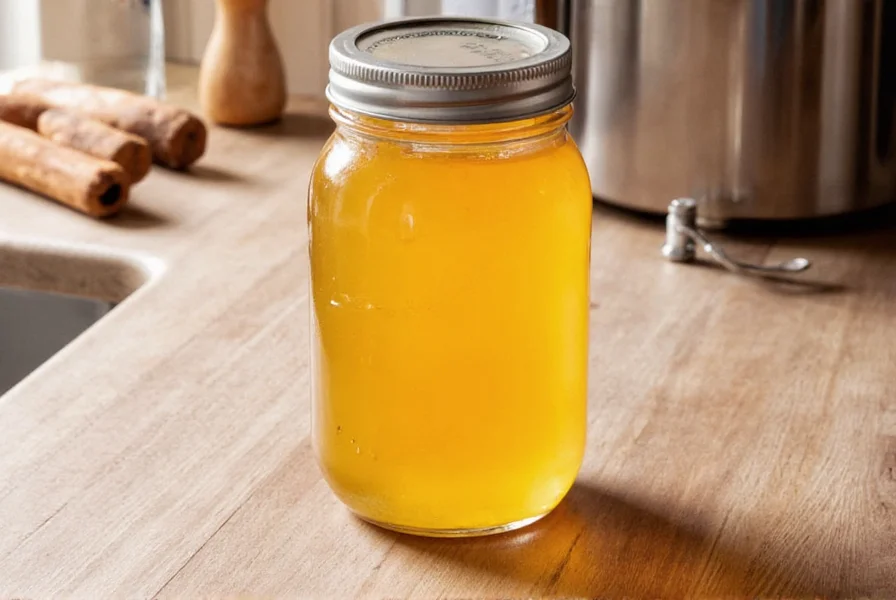
Looking for a delicious spiced canned peaches recipe? This step-by-step guide provides everything you need to make perfectly preserved, flavorful canned peaches with spices. Includes safety tips for proper canning and storage.
Spiced Canned Peaches Recipe
Ingredients:
- 5 lbs fresh peaches (or 6-8 cups canned peaches)
- 4 cups water
- 2 cups granulated sugar (adjust to taste)
- 1 tsp ground cinnamon
- ½ tsp ground nutmeg
- ¼ tsp ground cloves
- 1 tsp vanilla extract
- Pinch of salt
- Lemon juice (optional, for freshness)
Equipment Needed:
- 6-8 clean quart-sized canning jars with new lids
- Large pot for water bath canning
- Jar lifter
- Funnel
- Knife and cutting board
- Measuring cups and spoons
- Thermometer (optional but recommended for safety)
Step-by-Step Instructions:
- Prepare the peaches: Wash peaches thoroughly. If using fresh peaches, blanch them in boiling water for 30-60 seconds, then immediately transfer to ice water. Peel, pit, and slice the peaches into wedges. If using canned peaches, drain and rinse them well.
- Prepare the syrup: In a large saucepan, combine water, sugar, cinnamon, nutmeg, cloves, and salt. Bring to a boil over medium-high heat, stirring until sugar dissolves. Reduce heat and simmer for 5 minutes. Remove from heat and stir in vanilla extract and lemon juice (if using).
- Prepare the jars: Wash jars and lids in hot soapy water, then sterilize by boiling for 10 minutes. Keep jars hot until ready to use.
- Fill the jars: Pack the peaches tightly into the hot jars, leaving ½ inch headspace. Pour hot syrup over the peaches, maintaining ½ inch headspace. Remove air bubbles by running a non-metallic utensil around the inside of the jar. Wipe the jar rims clean with a damp cloth.
- Seal the jars: Place lids on jars and screw on bands until fingertip-tight. Do not overtighten.
- Process in water bath: Place jars in a canning pot with enough water to cover them by 1-2 inches. Bring to a boil, then process for 25 minutes for quart jars (adjust for altitude if necessary). Start timing when water returns to a full boil.
- Cool and check seals: Remove jars from water bath and place on a towel to cool. After 12-24 hours, check seals by pressing the center of the lid. If it doesn't flex, the jar is sealed. Store sealed jars in a cool, dark place for up to 18 months.
Safety Guidelines for Canning Peaches
Proper canning is essential for food safety. Follow these guidelines to prevent botulism and other foodborne illnesses:
- Always use tested canning recipes from reliable sources like the USDA or National Center for Home Food Preservation
- Adjust processing times for altitude: add 5 minutes for every 1,000 feet above sea level
- Never use damaged jars or lids
- Ensure proper headspace to allow for expansion during processing
- Always check seals after processing: if a jar doesn't seal, refrigerate and use within 3 days or reprocess within 24 hours
- Store canned goods in a cool, dry place away from direct sunlight
- Before consuming, check for signs of spoilage: bulging lids, leaking jars, off odors, or mold
Spice Quantities for Different Jar Sizes
| Jar Size | Cinnamon | Nutmeg | Cloves | Vanilla Extract |
|---|---|---|---|---|
| Half-Pint (8 oz) | ¼ tsp | ⅛ tsp | ⅛ tsp | ¼ tsp |
| Pint (16 oz) | ½ tsp | ¼ tsp | ¼ tsp | ½ tsp |
| Quart (32 oz) | 1 tsp | ½ tsp | ¼ tsp | 1 tsp |
FAQs About Spiced Canned Peaches
How do I know if my canned peaches are safe to eat?
Before consuming canned peaches, check for these signs of spoilage: bulging lids, leaking jars, visible mold, cloudy liquid, or off odors. Properly canned peaches should have a clear syrup, firm peaches, and a pleasant aroma of peaches and spices. When in doubt, throw it out - consuming spoiled canned goods can cause serious illness.
Can I reduce the sugar in this recipe?
Sugar helps preserve the fruit and maintain texture during canning. You can reduce sugar by up to 25% without significantly affecting safety, but reducing more may impact texture and shelf life. For diabetic-friendly options, consider using a sugar substitute specifically designed for canning, but note this may alter flavor and texture. Always use tested recipes for safe canning.
What should I do if my jars don't seal properly?
If a jar doesn't seal within 24 hours, you have two options: 1) Refrigerate the contents and use within 3 days, or 2) Reprocess the jar within 24 hours using a new lid. Never attempt to reprocess after 24 hours, as bacteria may have already grown.
How long do spiced canned peaches last?
Properly canned spiced peaches stored in a cool, dark place will maintain best quality for 12-18 months. After opening, refrigerate and consume within 5-7 days. Always check for signs of spoilage before consuming.
Can I use frozen peaches for canning?
Yes, frozen peaches can be used for canning. Thaw completely and drain excess liquid before using. Frozen peaches may be slightly softer than fresh, so handle gently during packing. Avoid using frozen peaches that have freezer burn or have been stored for more than 6 months for best results.
Can I substitute different spices in this recipe?
Yes, you can substitute spices based on your preference. For example, if you don't have cloves, you can use a pinch of allspice. If you don't have nutmeg, you can use a pinch of ginger. However, be aware that some spices are more potent than others, so start with smaller amounts and adjust to taste. Whole spices generally provide better flavor than pre-ground when making preserves.
What's the best way to store spiced canned peaches?
Store sealed jars in a cool, dark, dry place away from direct sunlight and temperature fluctuations. Ideal storage temperature is between 50-70°F (10-21°C). Avoid storing near heat sources like stoves or ovens. Properly stored canned peaches will maintain quality for 12-18 months.
Conclusion
Mastering the art of spiced canned peaches is all about following safe canning practices and using quality ingredients. With this step-by-step guide, you can create delicious, flavorful canned peaches that will last for months. Remember: food safety is paramount when canning, so always follow tested recipes and guidelines to ensure your canned goods are safe to eat.
Now that you know how to make perfect spiced canned peaches, try using them in desserts, smoothies, or even savory dishes. The possibilities are endless!




 浙公网安备
33010002000092号
浙公网安备
33010002000092号 浙B2-20120091-4