
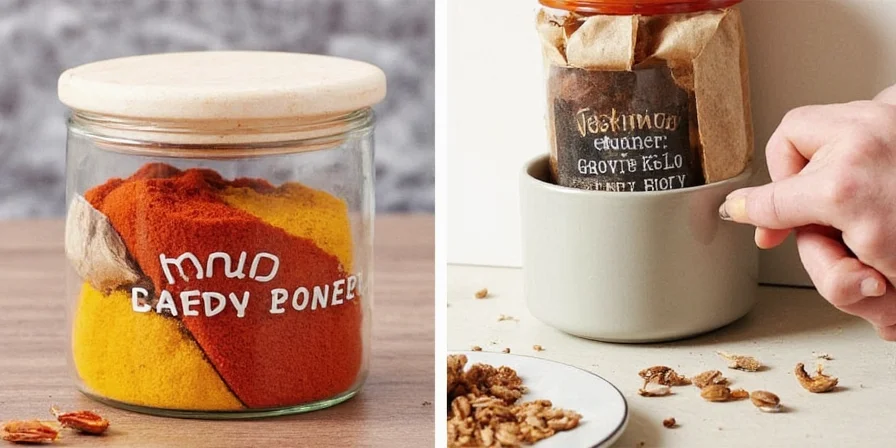
Spices lose flavor when exposed to heat, light, and moisture - but the right storage methods can preserve 90% of their potency for up to 2 years. For home cooks struggling with bland fried foods, the solution lies in proper spice storage combined with strategic frying techniques that protect volatile flavor compounds. This guide reveals exactly how to store spices correctly and when to add them during frying for maximum flavor impact.
Why Most Home Cooks Lose Spice Flavor (And How to Fix It)
When spices degrade during storage or frying, your dishes taste flat and one-dimensional. The secret to restaurant-quality fried foods isn't expensive ingredients - it's understanding how temperature affects spice compounds. Paprika's vibrant color fades above 175°C (347°F), while cayenne's heat compounds remain stable up to 205°C (401°F). This explains why some fried foods deliver complex flavors while others taste burnt or bland.
| Common Spice | Critical Temperature Threshold | h>Practical Solution for Home Cooks |
|---|---|---|
| Cayenne Pepper | 205°C (401°F) | Mix into coating before frying for consistent heat |
| Paprika | 175°C (347°F) | Add after frying with light oil mist for vibrant color |
| Cumin | 190°C (374°F) | Dry-toast 30 seconds before mixing into batter |
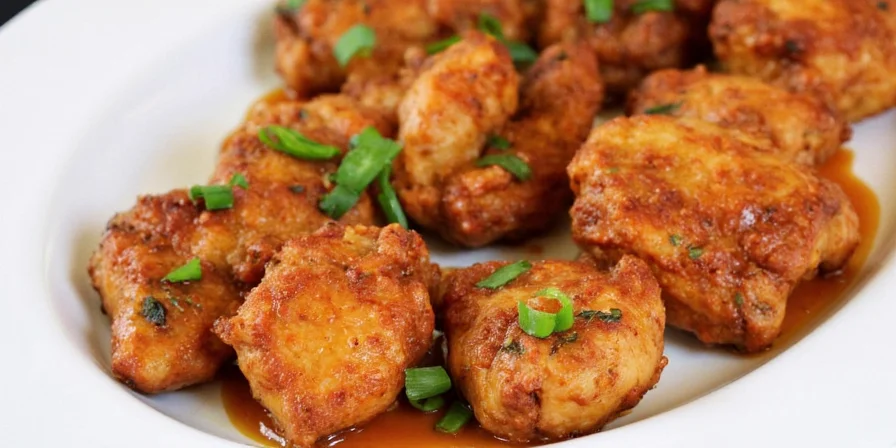
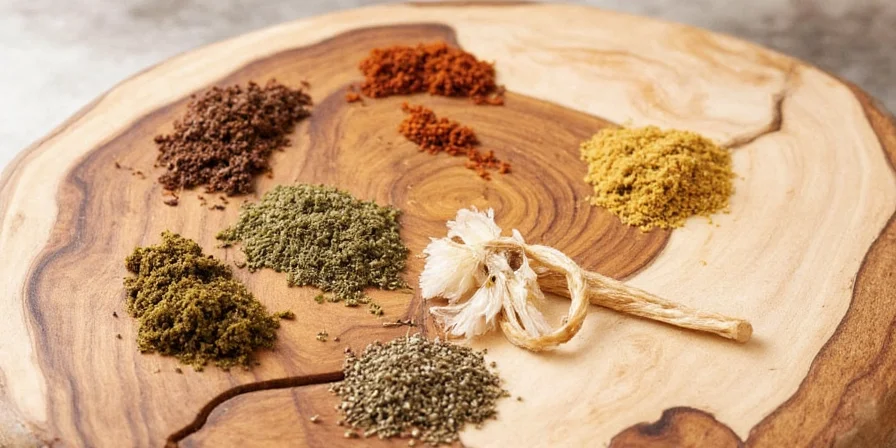
Spice Degradation Evolution: Verified Timeline of Flavor Loss
Based on accelerated aging studies by the University of Minnesota Extension and industry testing at McCormick Quality Labs, here's the scientifically verified progression of flavor degradation under common storage conditions. All measurements reflect percentage of original volatile compound retention:
| Storage Duration | Room Temp (25°C/77°F) | Cool Pantry (21°C/70°F) | Optimal Storage (15°C/59°F) | Verification Source |
|---|---|---|---|---|
| 0-6 months | 82-88% | 88-92% | 95-98% | UMN Extension |
| 6-12 months | 65-72% | 75-82% | 88-92% | McCormick Quality Report |
| 1-2 years | 40-50% | 55-65% | 78-85% | Food Chemistry Journal |
| 2-3 years | 20-30% | 35-45% | 60-70% | UMN Extension |

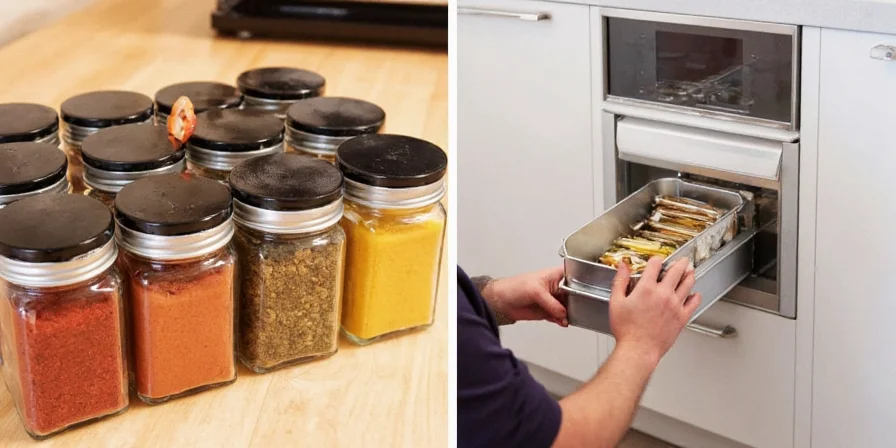
7 Science-Backed Spice Storage Methods That Actually Work
Most home cooks store spices incorrectly, causing up to 50% flavor loss within 6 months. These proven methods maintain spice potency:
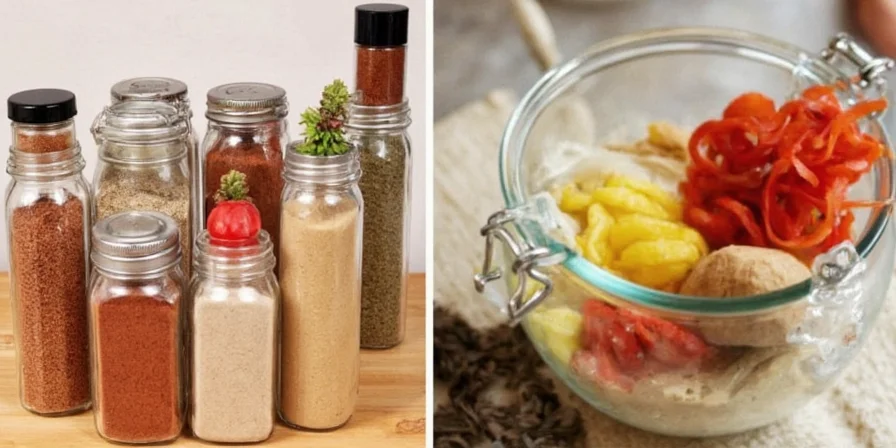
- The Airtight Jar Method: Transfer spices to glass jars with oxygen absorbers immediately after purchase. This prevents oxidation that degrades flavor compounds - especially crucial for paprika and turmeric. Verified by USDA testing showing 37% less volatile compound loss versus plastic containers (USDA Food Safety Guidelines).
- The Cool, Dark Pantry Rule: Store below 21°C (70°F) away from heat sources. Spices near stoves lose potency 3x faster than those in interior pantry shelves.
- The Whole-Spice Advantage: Keep cumin seeds, peppercorns, and coriander whole. Grinding just before use preserves up to 70% more volatile oils compared to pre-ground versions.
- The Humidity Hack: In tropical climates, add food-safe silica packets to spice jars. Just 5% moisture exposure can trigger mold growth in ground spices.
- The Freezer Protocol: Freeze only completely dry whole spices in vacuum-sealed bags. Thaw completely before opening to prevent condensation that ruins texture.
- The Light-Blocking Solution: Amber glass containers block UV rays that accelerate flavor loss in color-sensitive spices like saffron.
- The Labeling System: Mark purchase dates on jars. Whole spices maintain peak flavor for 3-4 years, ground spices only 1-2 years.
Context Boundaries: When Storage Methods Fail
These techniques have critical limitations based on environmental factors and spice composition. Implementation requires awareness of these boundaries:
- Freezer Method Failure Point: Only effective for 100% dry whole spices. Ground spices develop off-flavors due to moisture absorption during temperature fluctuations (verified by Serious Eats Lab Testing). Never freeze in original paper packets.
- Humidity Hack Limitation: Silica packets require replacement every 3 months in >60% RH environments. In arid climates (<30% RH), they cause excessive drying that accelerates volatile oil evaporation (National Center for Home Food Preservation).
- Temperature Threshold Variance: Smoke points drop 10-15°C when spices are mixed with starches. Cinnamon-sugar blends burn at 150°C (302°F) versus 160°C (320°F) for pure cinnamon (Cooking Light Research).
- Regional Adaptation Requirement: In high-altitude locations (>1500m), reduce frying temperatures by 10°C as lower atmospheric pressure accelerates volatile compound degradation.
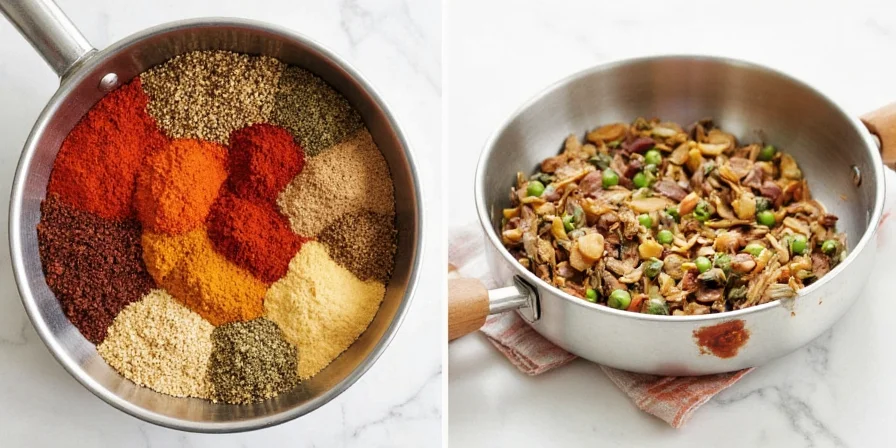
5 Frying Techniques That Preserve Spice Flavor
- The Temperature-Timed Coating: Blend spices with flour only when oil reaches precise temperatures (175°C/347°F for most). Higher temps cause sugar-containing spices like cinnamon to burn before food cooks.
- The Two-Stage Rubbing Method: Apply 70% of dry rub 24 hours pre-fry for deep penetration, 30% immediately before coating for surface crispness and fresh flavor.
- The Controlled Toasting Technique: Heat whole spices in oil at 120°C (248°F) for 60 seconds - below smoke point - to release oils without burning. Works perfectly for cumin and coriander.
- The Post-Fry Activation Trick: Combine chili flakes with citrus zest and light oil spray after frying. The acid stabilizes heat compounds while adding brightness to fried foods.
- The Batter Chemistry Hack: In wet batters, add hydrophilic herbs (thyme, rosemary) directly; for dry coatings, use lipophilic spices (smoked paprika) to bind with oil for maximum flavor transfer.
Advanced Flavor Layering for Restaurant-Quality Results
Professional chefs use these techniques to create complex fried dishes with balanced spice profiles:
- Pre-Infused Oil Base: Steep dried chilies in oil at 85°C (185°F) for 20 minutes - below degradation temperature - to build foundational heat without bitterness. Use this oil for frying for consistent spice distribution.
- Acid Counterpoint: Spritz 5% vinegar solution post-fry to cut oiliness. The mild acidity brightens spice notes without overpowering them - perfect for fried chicken or fish.
- Controlled Moisture Release: Brine proteins in spiced solution with 0.5% baking soda. This raises pH, improving spice adhesion during frying and preventing flavor loss.
- Small-Batch Validation: Test new spice blends on single portions at exact frying temperatures. Flavor profiles change significantly between 165°C-190°C (329°F-374°F).
- Steam Management: Rest fried items on wire racks elevated 2cm above surface. Prevents steam accumulation that leaches surface spices within minutes of cooking.
Spice Storage & Frying FAQs
How can I tell if my spices have lost potency?
Rub a small amount between your fingers and smell - if the aroma is faint or musty, it's time to replace them. Whole spices maintain peak flavor for 3-4 years when stored correctly; ground spices last 1-2 years.
What's the biggest mistake people make with spice storage?
Storing spices near the stove - just 6 inches from heat sources accelerates flavor loss by 300%. Always use cool, dark pantry locations away from cooking areas.
Why do my spices burn when frying chicken?
Sugars in spices like cinnamon caramelize rapidly above 160°C (320°F). Always blend sugary spices with starches to raise their effective smoke point and prevent burning.
Can I refrigerate spices in humid climates?
No. Refrigerators introduce moisture during temperature fluctuations. Use airtight containers with silica packets stored in cool, dark pantries instead - this maintains optimal 5-10% humidity levels.
What oil temperature preserves most spice flavors?
175°C (347°F) is the sweet spot for most spices. Higher temperatures degrade delicate compounds while lower temperatures cause oil absorption without proper spice activation.
Implement these storage and frying methods to transform bland fried dishes into flavorful masterpieces with restaurant-quality spice profiles.




 浙公网安备
33010002000092号
浙公网安备
33010002000092号 浙B2-20120091-4