
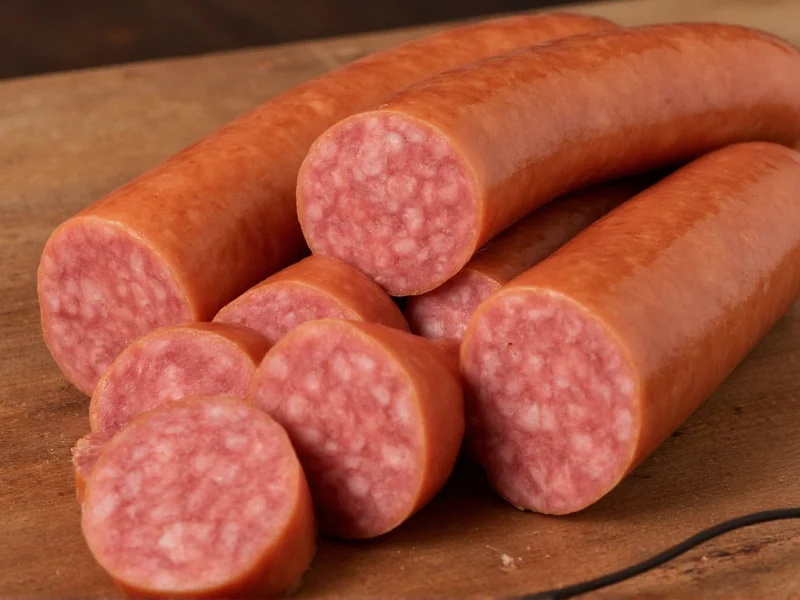
Zummo sausage represents a beloved Texas culinary tradition that has satisfied palates for over six decades. This distinctive smoked sausage stands out in the market due to its unique preparation method and consistent quality. Understanding what makes Zummo sausage special requires examining its history, production evolution, and contextual culinary applications.
History of Zummo Sausage Company
Founded in 1962 by Joe Zummo, this family-owned business began as a small meat market in El Campo, Texas. What started as a local butcher shop evolved into a regional specialty food producer known for its signature smoked sausages. The company maintains its original recipes while expanding production to meet growing demand across Texas and beyond. Despite increased distribution, Zummo's continues using time-honored smoking techniques that define their product's distinctive flavor profile.
Evolution Timeline: Craftsmanship Through Generations
Zummo's journey reflects Texas' evolving food landscape while preserving core traditions. Verified milestones demonstrate their commitment to authentic smoking methods:
| Year | Development | Industry Significance |
|---|---|---|
| 1962 | Joe Zummo establishes meat market in El Campo | Introduction of hickory-smoked sausages using Central Texas barbecue techniques |
| 1985 | Transition to dedicated sausage production facility | Maintained wood-fired smoking during industry shift to liquid smoke alternatives |
| 2003 | USDA certification for expanded distribution | Preserved traditional methods under federal food safety standards (FSIS Directive 7120.1) |
| 2019 | Sustainable hickory sourcing initiative | Partnered with Texas A&M Forest Service for eco-conscious wood procurement |
Source: Zummo's Official Company History and USDA Establishment Search
Production Process and Ingredients
Zummo sausage production follows a meticulous process that begins with quality meat selection. The company primarily uses pork shoulder combined with specific spice blends depending on the variety. What truly distinguishes Zummo sausage is their traditional hickory smoking method. Unlike many commercial sausages that use liquid smoke, Zummo's employs actual hickory wood in their smoking process, which imparts a richer, more complex flavor.
After stuffing the casings, the sausages undergo a slow smoking process that fully cooks the product while developing its characteristic smoky taste. This method creates a firm texture with a distinctive reddish-brown exterior. The sausages are fully cooked during production, making them ready to eat straight from the package or ideal for further cooking in various recipes.
Varieties of Zummo Sausage
Zummo's offers several popular varieties that cater to different taste preferences:
| Variety | Key Characteristics | Best Uses |
|---|---|---|
| Regular | Classic pork sausage with traditional seasoning | Grilling, sandwiches, breakfast dishes |
| Jalapeño | Spicy version with real jalapeño peppers | Tacos, nachos, cheese dips, grilled dishes |
| Garlic | Enhanced with robust garlic flavor | Pasta dishes, pizza toppings, skillet meals |
| Turkey | Leaner option made with turkey meat | Health-conscious recipes, lighter meals |
Cooking with Zummo Sausage
One of Zummo sausage's greatest advantages is its versatility in the kitchen. Since the sausages come fully cooked, they offer convenience without sacrificing flavor. For best results when preparing Zummo sausage:
- Grilling: Slice into coins or leave whole, grill over medium heat for 8-10 minutes until nicely browned
- Pan-frying: Cook in a skillet over medium heat for 6-8 minutes, turning occasionally
- Baking: Place on a baking sheet at 350°F for 15-20 minutes for even heating
- Boiling: Simmer in water for 5-7 minutes for a traditional preparation method
Many Texas chefs recommend slicing Zummo sausage into coins and adding them to breakfast hash, scrambled eggs, or as a topping for nachos. The jalapeño variety particularly shines when incorporated into cheese dips or wrapped in crescent roll dough for appetizers. For authentic Texas-style cooking, try adding sliced Zummo sausage to red beans and rice or gumbo for extra depth of flavor.
Where to Find Zummo Sausage
Zummo sausage enjoys widespread availability throughout Texas and the Southern United States. You'll typically find it in:
- Major grocery chains including H-E-B, Walmart, and Kroger
- Local Texas supermarkets and independent grocers
- Specialty meat markets and butcher shops
- Some convenience stores across Texas
- Online retailers for nationwide shipping options
When shopping for Zummo sausage, look for the distinctive packaging that features the company's logo and indicates the specific variety. The sausages typically come in one-pound packages containing multiple links. For the freshest product, check the sell-by date and ensure the packaging remains intact without punctures or excessive liquid.
Nutritional Information
Understanding the nutritional profile helps consumers make informed choices. A standard 2-ounce serving of regular Zummo sausage contains approximately:
- 180 calories
- 16g total fat (6g saturated fat)
- 500mg sodium
- 9g protein
- 0g carbohydrates
The turkey variety offers a leaner alternative with about 140 calories and 8g fat per 2-ounce serving. All varieties provide a good source of protein while delivering the rich, smoky flavor that makes Zummo sausage distinctive. As with any processed meat product, moderation fits within a balanced diet.
Contextual Considerations: Optimal Usage Scenarios
While versatile, Zummo sausage performs best within specific culinary and dietary contexts. Understanding these boundaries ensures optimal results:
- Ideal Applications: Excels in hearty dishes where robust flavor complements other ingredients (e.g., red beans and rice, breakfast casseroles, or as pizza topping). The hickory smoke profile enhances recipes requiring 15+ minute cooking times that allow flavor integration.
- Limitations: Not recommended for delicate dishes like seafood pasta or light salads where its strong flavor would dominate. The 500mg sodium content per serving exceeds 20% of the FDA's recommended daily limit, making it unsuitable for strict sodium-restricted diets without modification.
- Dietary Constraints: Contains pork (except turkey variety), making it incompatible with halal, kosher, or vegetarian diets. Individuals with hypertension should consult the FDA's sodium guidelines before regular consumption.
- Cooking Constraints: Requires medium-heat preparation to prevent casing rupture. Not suitable for raw consumption despite being fully cooked due to optimal flavor development through heating.
Source: U.S. Food and Drug Administration Dietary Guidelines
Storage and Shelf Life
Proper storage ensures optimal quality and safety. Unopened Zummo sausage maintains freshness in the refrigerator for 7-10 days past the sell-by date. Once opened, consume within 3-5 days. For longer storage, freeze the sausage in its original packaging or in airtight containers where it will maintain quality for 2-3 months.
When freezing, consider portioning the sausage into meal-sized amounts for convenience. Thaw frozen sausage in the refrigerator overnight rather than at room temperature to maintain food safety. Never refreeze sausage that has been completely thawed.
Texas Culinary Tradition
Zummo sausage represents more than just a food product—it embodies a piece of Texas culinary heritage. The smoking tradition dates back to when smoking was a necessary preservation method before modern refrigeration. Today, Zummo's continues this tradition not out of necessity but to deliver exceptional flavor that has become a staple in Texas households.
Many Texans grew up eating Zummo sausage at family gatherings, cookouts, and holiday meals. The distinctive smoky aroma immediately evokes memories of backyard barbecues and community events. This emotional connection contributes significantly to the brand's enduring popularity across generations.




 浙公网安备
33010002000092号
浙公网安备
33010002000092号 浙B2-20120091-4