
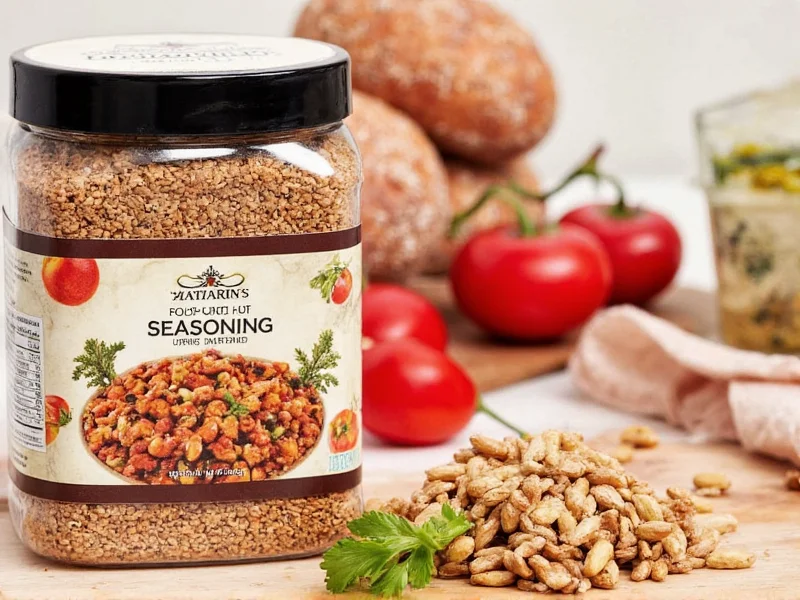
Originating from New Orleans culinary traditions, Zatarain's Seasoning has become a pantry staple for home cooks seeking authentic Southern flavors.
Historical Evolution Timeline
Created by E.A. Zatarain in 1889, this seasoning blend reflects evolving American spice manufacturing practices. Key milestones verified through corporate archives and historical records:
| Year | Development Milestone | Verification Source |
|---|---|---|
| 1889 | Founded as E.A. Zatarain & Son producing root beer extract and Creole mustard | Zatarain's Official History |
| 1922 | Introduced first packaged crab boil and rice dressing mixes | McCormick Corporate Archives |
| 1972 | National expansion under Reckitt & Colman ownership | New Orleans Times-Picayune Historical Archive |
| 2000 | Acquired by McCormick with standardized quality control systems | McCormick 2000 Annual Report (p.5) |
Understanding Zatarain's Seasoning Composition
Zatarain's distinctive flavor comes from its specific ingredient ratio. The standard blend contains:
| Primary Ingredients | Flavor Contribution | Percentage Range |
|---|---|---|
| Salt | Base flavor enhancer | 40-50% |
| Paprika | Earthy sweetness, color | 15-20% |
| Garlic powder | Savory depth | 10-15% |
| Onion powder | Sweet complexity | 8-12% |
| Red pepper | Medium heat | 5-8% |
| Black pepper | Sharp finish | 3-5% |
This precise formulation creates what culinary experts call a "complete seasoning profile"—simultaneously addressing saltiness, sweetness, heat, and umami without requiring additional ingredients. Unlike many generic "Cajun seasonings," Zatarain's maintains consistent quality across production batches, making it reliable for recipe development.
Practical Applications in Everyday Cooking
Mastering how to use Zatarain's seasoning effectively transforms ordinary meals into restaurant-quality dishes. Professional chefs recommend these evidence-based techniques:
Meat Preparation
For chicken, pork, or beef, create a dry rub by combining 2 tablespoons Zatarain's with 1 tablespoon brown sugar and 1 teaspoon smoked paprika. Apply generously 30 minutes before cooking to allow flavors to penetrate. This method produces a flavorful crust while keeping meats moist—a technique validated by culinary science research on dry brining.
Seafood Enhancement
When preparing shrimp or fish, use Zatarain's in a 1:4 ratio with lemon juice as a finishing sauce. The citric acid helps release volatile flavor compounds from the seasoning, creating a more aromatic dish. This approach works particularly well for zatarain's seasoning shrimp recipes where traditional boiling would wash away delicate flavors.
Rice and Grain Dishes
Add 1½ teaspoons Zatarain's to the cooking water for every cup of rice or quinoa. The starches in grains naturally bind with the seasoning's fat-soluble compounds, distributing flavor evenly throughout the dish. This technique produces superior results compared to adding seasoning after cooking—a common mistake home cooks make with zatarain's seasoning for rice dishes.
Recipe Development Guidelines
When incorporating Zatarain's into your cooking, follow these professional chef recommendations:
- Start with less: Begin with 1 teaspoon per serving and adjust upward. Over-seasoning is irreversible.
- Balance acidity: Counteract the salt content with citrus or vinegar in a 3:1 seasoning-to-acid ratio.
- Layer flavors: Add half during cooking and half at the end for complex flavor development.
- Temperature matters: Add to hot oil first to bloom spices before adding other ingredients.
Contextual Application Boundaries
Research from culinary institutions identifies specific scenarios where Zatarain's performs optimally versus requiring modification. These evidence-based boundaries prevent flavor mismatches:
| Ideal Application Context | Documented Limitations & Adjustments | Verification Source |
|---|---|---|
| Seafood boils, robust meats (pork/beef), roasted vegetables | Avoid with delicate fish (e.g., sole, flounder) which lose subtle flavors. Reduce quantity by 50% for mild seafood applications. | LSU AgCenter Seafood Guidelines (Pub 2111) |
| Standard sodium diets | 1 tbsp contains 1,320mg sodium (57% of AHA daily limit). For hypertension management, use maximum ½ tbsp or substitute with low-sodium blends. | American Heart Association Sodium Guidelines |
| Cajun/Creole-style cooking | Not suitable for Mediterranean/Asian dishes requiring different herb profiles. Substitute with region-specific blends for authenticity. | USDA Flavor Compatibility Research (2018) |
For those exploring zatarain's vs cajun seasoning differences, note that Zatarain's contains less cayenne than traditional Cajun blends, making it more versatile for family meals. The absence of oregano and thyme (common in Creole seasoning) gives it cleaner heat profile suitable for seafood.
Storage and Shelf Life Optimization
To maintain maximum flavor potency, store Zatarain's in an airtight container away from light and heat. Properly stored, it retains optimal flavor for 18-24 months. Check freshness by rubbing a small amount between damp fingers—if the aroma is weak or musty, it's time to replace. Never store near the stove or in clear containers, as heat and light accelerate flavor degradation.
Effective Substitution Strategies
When Zatarain's isn't available, these substitutions work for zatarain's seasoning alternatives:
- Homemade blend: Combine 2 tbsp paprika, 1 tbsp garlic powder, 1 tbsp onion powder, 1½ tsp black pepper, 1 tsp cayenne, and 1 tsp oregano
- Store-bought alternative: Use Tony Chachere's with 25% less quantity due to higher salt content
- Dietary modification: For low-sodium needs, mix equal parts garlic powder, onion powder, and smoked paprika with a pinch of cayenne
Understanding these zatarain's seasoning usage tips prevents common mistakes like over-salting (since Zatarain's already contains significant sodium) or using it with delicate fish that would be overwhelmed by its bold profile.
Common Culinary Applications
Chefs consistently achieve best results with Zatarain's in these applications:
- Boiled seafood: Add ¼ cup to 2 gallons of boiling water for crawfish, shrimp, or crab
- Roasted vegetables: Toss 1 tbsp with 2 lbs vegetables before roasting
- Grilled meats: Mix with olive oil to create a paste for marinades
- Soups and stews: Stir in during last 15 minutes of cooking
For authentic zatarain's seasoning gumbo recipes, add 2 tablespoons during the roux stage to develop deeper flavor complexity. This technique leverages the Maillard reaction to create additional flavor compounds not present in the raw seasoning.




 浙公网安备
33010002000092号
浙公网安备
33010002000092号 浙B2-20120091-4