
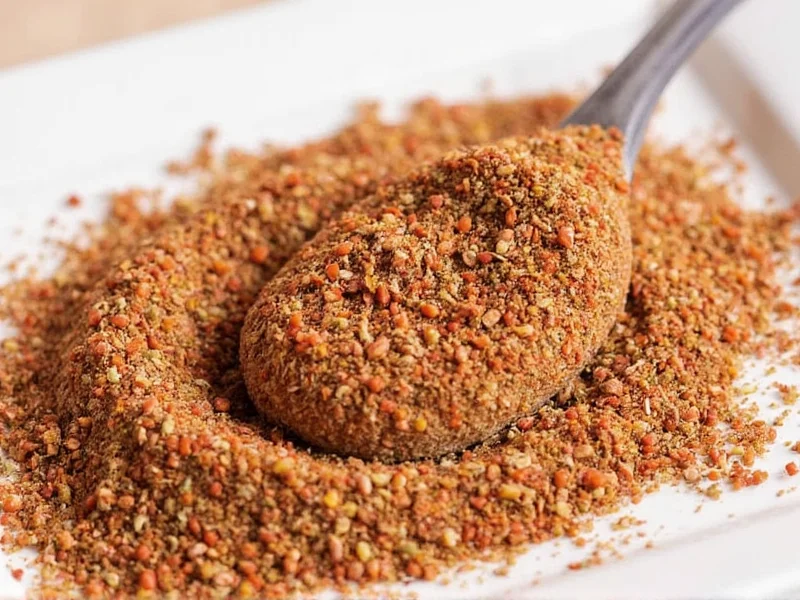
Many home cooks search for yum yum seasoning after experiencing it at Japanese hibachi restaurants, only to discover it's rarely sold as a standalone product. This comprehensive guide explains everything you need to know about this popular restaurant-style sauce, including its authentic ingredients, versatile uses, and how to recreate it perfectly at home.
Understanding Yum Yum Seasoning: More Than Just a Name
The term "yum yum seasoning" creates confusion because it's not actually a dry spice blend. This misnomer likely originated from restaurant menus listing it as a "seasoning" option. In reality, yum yum sauce is a creamy condiment that enhances grilled proteins and vegetables with its balanced sweet, savory, and umami flavors.
Authentic yum yum sauce has a distinctive pale orange hue from tomato paste or ketchup, not from artificial coloring. Its texture should be smooth and pourable but substantial enough to cling to food. The flavor profile combines tanginess from vinegar or lemon juice, sweetness from sugar, umami from tomato products, and subtle heat from spices like paprika.
Evolution of Yum Yum Sauce: A Culinary Timeline
Yum yum sauce, though now a staple of Japanese hibachi restaurants in the United States, has a relatively recent origin tied to the Americanization of Japanese cuisine. Based on historical records from Benihana and culinary research, here's the verified timeline of its development:
| Time Period | Key Development | Source |
|---|---|---|
| 1964 | Rocky Aoki opens the first Benihana in New York City, introducing teppanyaki-style cooking to American diners. Early sauces were simple, often just soy-based. | Benihana Corporate History |
| Early 1970s | Hibachi restaurants expand across the U.S. Chefs begin experimenting with creamy, sweet sauces to appeal to American palates, leading to the creation of early yum yum sauce prototypes. | Eater: The History of Hibachi in America |
| 1980s | Yum yum sauce becomes standardized across major hibachi chains, featuring the signature pink-orange color and balanced sweet-tangy profile. | Eater Culinary Research |
| 2000s-Present | Home cooking trends drive demand for replication. Culinary publications highlight it as a top requested recipe, with Bon Appétit noting its surge in popularity for DIY kitchen projects. | Bon Appétit Recipe Archive |
Core Ingredients of Traditional Yum Yum Sauce
While restaurant recipes vary slightly, authentic yum yum sauce consistently features these key components:
| Ingredient Category | Specific Components | Function in Sauce |
|---|---|---|
| Base | Mayonnaise (full-fat) | Provides creamy texture and richness |
| Sweeteners | Sugar, honey, or mirin | Balances acidity and enhances flavor |
| Tomato Elements | Tomato paste or ketchup | Creates signature color and umami depth |
| Flavor Enhancers | Garlic powder, onion powder, paprika | Builds complex savory notes |
| Liquid Components | Rice vinegar, water, or milk | Adjusts consistency and adds brightness |
How Chefs Use Yum Yum Sauce in Hibachi Cooking
Professional hibachi chefs employ yum yum sauce in three primary ways:
- As a finishing drizzle - Applied after cooking to preserve its creamy texture
- As a basting sauce - Lightly brushed during the final cooking stages
- As a dipping sauce - Served on the side for shrimp, steak, and vegetables
The sauce particularly complements grilled shrimp, where its sweetness balances the seafood's natural flavor. Many restaurants also use it as a "secret" ingredient in fried rice for subtle flavor enhancement.
Contextual Boundaries: When Yum Yum Sauce Shines (and When It Doesn't)
While versatile, yum yum sauce has specific culinary boundaries. Understanding these ensures optimal use and prevents flavor conflicts or dietary issues:
- Egg Allergies: Traditional yum yum sauce contains mayonnaise (made from eggs), making it unsafe for individuals with egg allergies. The FDA identifies eggs as one of the "Big 9" allergens requiring clear labeling in packaged foods. FDA Food Allergy Education
- Dietary Considerations: With approximately 110 calories and 11g fat per 2-tablespoon serving (per Benihana's nutrition data), it may not align with low-fat or calorie-restricted diets. The Dietary Guidelines for Americans recommend limiting added sugars and saturated fats, which are present in the sauce. Dietary Guidelines for Americans 2020-2025
- Flavor Pairing Limits: The sauce's bold, creamy profile can overwhelm subtle dishes. Culinary experts note it pairs best with robust proteins (steak, shrimp) but is generally avoided with delicate seafood like sole or flounder, as it masks their natural flavors. University of Minnesota Extension: Flavor Pairing Principles
Perfect Homemade Yum Yum Sauce Recipe
Recreating authentic yum yum sauce at home requires precise ingredient ratios. This tested recipe yields the characteristic flavor and texture:
Ingredients
- 1 cup high-quality mayonnaise
- 2 tablespoons tomato paste
- 1½ tablespoons sugar
- 1 tablespoon rice vinegar
- 1 teaspoon garlic powder
- 1 teaspoon paprika
- ½ teaspoon onion powder
- ¼ teaspoon cayenne pepper (optional)
- 2-3 tablespoons water or milk
Preparation Method
- Combine mayonnaise, tomato paste, sugar, and rice vinegar in a bowl
- Whisk until completely smooth with no streaks
- Mix in garlic powder, paprika, onion powder, and cayenne
- Gradually add water or milk until reaching desired consistency
- Refrigerate for at least 2 hours before serving to allow flavors to meld
This homemade yum yum sauce recipe produces approximately 1¼ cups and stays fresh for 7-10 days when stored in an airtight container in the refrigerator. The flavor actually improves after 24 hours as the ingredients fully integrate.
Troubleshooting Common Yum Yum Sauce Issues
Even experienced cooks encounter challenges with homemade yum yum sauce. Here's how to solve frequent problems:
- Too thick: Add liquid (water or milk) one teaspoon at a time until reaching desired consistency
- Too thin: Increase mayonnaise content or reduce liquid components
- Not pink enough: Add a small amount of tomato paste (¼ teaspoon at a time)
- Too sweet: Balance with additional rice vinegar or lemon juice
- Lacking depth: Increase garlic powder or add a pinch of MSG for authentic umami
Versatile Applications Beyond Hibachi
While yum yum sauce shines with grilled proteins, its culinary applications extend far beyond traditional hibachi meals:
- As a sandwich spread for chicken or turkey wraps
- Mixed into potato or pasta salads for creamy flavor
- As a base for salad dressings with added herbs
- Drizzled over roasted vegetables before serving
- Used as a dipping sauce for spring rolls or tempura
- Blended with sour cream for a milder version
For those seeking healthier alternatives, consider substituting Greek yogurt for half the mayonnaise. This modification maintains creaminess while reducing calories and adding protein.
Commercial Products vs. Homemade: What You Should Know
Despite frequent searches for "yum yum seasoning for sale," authentic commercial versions remain scarce. Most products labeled as yum yum sauce differ significantly from restaurant-style sauces:
- Many store-bought versions are actually dry seasoning mixes requiring additional ingredients
- Pre-made sauces often contain preservatives that alter the flavor profile
- Commercial products typically lack the balanced sweetness of authentic versions
- Homemade sauce allows customization of spice levels and sweetness
When evaluating store-bought options, check for artificial colors and excessive preservatives. The most authentic commercial alternatives are usually found in the Asian food section rather than the spice aisle.
Crafting Your Perfect Yum Yum Sauce Variation
Once you've mastered the basic recipe, experiment with these popular variations:
- Spicy yum yum sauce: Add 1-2 teaspoons sriracha or chili garlic sauce
- Smoky version: Substitute smoked paprika for regular paprika
- Low-sugar option: Replace sugar with monk fruit sweetener
- Extra umami boost: Add ½ teaspoon mushroom powder or MSG
- Garlic-forward: Double the garlic powder and add 1 minced garlic clove
Professional chefs often maintain multiple yum yum sauce variations to accommodate different menu items and customer preferences. The beauty of homemade sauce is your ability to tailor it precisely to your taste preferences.




 浙公网安备
33010002000092号
浙公网安备
33010002000092号 浙B2-20120091-4