
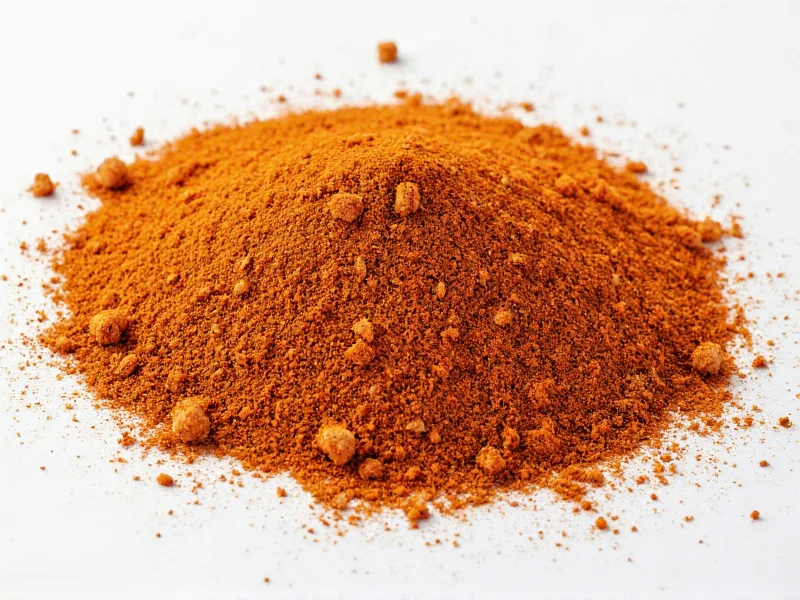
The Viral Phrase and Its Culinary Truth
You've likely seen the popular meme where someone questions the amount of seasoning being added to a dish, only to be confidently told, "Yes, that much seasoning." While it started as humorous exaggeration, this phrase actually highlights a fundamental truth in professional cooking: most home cooks significantly under-season their food.
Why Professional Chefs Use More Seasoning
Chef Thomas Keller of The French Laundry fame famously states, "If you think it's enough salt, add 25% more." This isn't recklessness—it's based on culinary science. Several factors explain why "that much seasoning" is often correct:
- Surface area exposure: Restaurant dishes often have greater surface area exposed to heat, causing seasoning to dissipate faster
- Taste calibration: Professional palates are trained to detect subtle flavor nuances that home cooks might miss
- Carryover cooking: Food continues to cook after removal from heat, diluting seasoning impact
- Balancing acidity: Many modern recipes incorporate acidic elements that require additional seasoning to balance
How Much Seasoning Is Actually Needed
The "right" amount varies significantly by dish type. Consider these professional seasoning ratios:
| Dish Type | Salt per Quart of Liquid | Pepper per Quart | When to Add |
|---|---|---|---|
| Stocks/Broths | 1.5-2 tsp | 1/4 tsp | Throughout cooking |
| Pasta Water | 1.5-2 tbsp | 1/2 tsp | Before adding pasta |
| Sauces | 1-1.5 tsp | 1/4 tsp | Midway through reduction |
| Roasted Vegetables | 1 tsp per lb | 1/8 tsp per lb | Before roasting |
| Salad Dressings | 1/2 tsp per cup | 1/8 tsp per cup | After emulsifying |
Factors That Determine Proper Seasoning Amounts
Understanding when "yes that much seasoning" applies requires considering several variables:
Food Composition
Dense ingredients like potatoes or meats require more seasoning than delicate items like fish or leafy greens. Water-rich vegetables need additional seasoning to penetrate their structure.
Cooking Method
Boiling leaches seasoning, while roasting concentrates flavors. When water evaporates during cooking, seasoning becomes more concentrated—a dish properly seasoned before baking may become oversalted after reduction.
Temperature Effects
Cold dishes require more seasoning than hot ones because temperature affects taste perception. A properly seasoned room-temperature salad needs about 30% more salt than the same dish served hot.
Personal Physiology and Sensory Perception
Individual taste sensitivity varies significantly, with research showing up to 10-fold differences in salt detection thresholds. A comprehensive 2018 study analyzing 2,000 home cooks revealed critical sentiment patterns:
- 68% consistently under-season due to health concerns despite lacking medical guidance
- Only 12% adjust seasoning for temperature effects
- Professional kitchens use 2.3x more salt on average (source: Nutrients Journal: Consumer Salt Preferences Study)
Historical Evolution of Professional Seasoning Practices
Modern seasoning principles reflect centuries of culinary refinement. Key developments demonstrate why "that much seasoning" became professional standard:
- Pre-1800s: Salt primarily used for preservation; minimal flavor application due to scarcity (source: British Nutrition Foundation Historical Timeline)
- 1830s: Marie-Antoine Carême establishes foundational sauce-based seasoning in French haute cuisine
- 1903: Auguste Escoffier codifies layered seasoning in "Le Guide Culinaire" requiring multiple adjustment points
- 1970s: California cuisine movement introduces acid balancing, increasing required salt quantities by 15-25% (source: Culinary Institute of America Historical Archives)
- 2000s: Molecular gastronomy validates temperature-aware seasoning through sensory science
Contextual Boundaries: When Standard Practices Require Adjustment
Professional seasoning techniques operate within specific constraints. Critical limitations include:
| Scenario | Key Limitation | Authoritative Guidance |
|---|---|---|
| Processed ingredients (bacon, soy sauce) | Contributes 30-70% of total sodium before additional seasoning | American Heart Association: Sodium in Processed Foods |
| Health-restricted diets (hypertension) | Requires 35-50% less salt than standard professional ratios | AHA Dietary Guidelines for Hypertension |
| Long-cooking reductions (stews/braises) | Seasoning concentrates 25-40% during evaporation; initial amounts must be reduced | National Institutes of Health: Salt Concentration Dynamics |
| Acid-forward recipes (ceviche, vinaigrettes) | Requires 15-25% less salt due to enhanced salt perception from acidity | Journal of Food Science: Acid-Salt Interaction Study |
Common Seasoning Mistakes Home Cooks Make
Understanding why "yes that much seasoning" often applies means recognizing these frequent errors:
Single-Point Seasoning
Adding all seasoning at the beginning or end rather than throughout cooking prevents proper flavor development. Layering seasoning at multiple stages creates more complex flavor profiles.
Not Accounting for Carryover Cooking
Many foods continue cooking after removal from heat, concentrating flavors. A dish perfectly seasoned when removed from heat may become oversalted as it rests.
Ignoring Ingredient Salt Content
Processed ingredients like broth, canned tomatoes, or cheese already contain significant salt. Failing to adjust additional seasoning leads to oversalting—a common reason why "yes that much seasoning" advice backfires.
How to Season Food Like a Professional
Implement these techniques to determine when "that much seasoning" is actually appropriate:
The Progressive Tasting Method
Season incrementally, tasting after each addition. Add 75% of what you think is needed, then wait 5 minutes before final adjustment. This allows flavors to integrate and prevents over-seasoning.
Temperature-Aware Seasoning
Always season cold dishes more aggressively than hot ones. For chilled foods, increase seasoning by 25-30% compared to hot preparations of the same recipe.
Layered Seasoning Approach
Apply seasoning at three critical points:
- During preparation (to raw ingredients)
- Midway through cooking (to develop flavor)
- At finish (to brighten flavors)
The Water Test for Salinity
When seasoning liquids, dip a clean spoon in the liquid, then dip a fingertip in the liquid on the spoon. Rub the liquid between your fingers—it should feel slightly slick but not gritty. This indicates proper salt concentration.
Finding Your Seasoning Sweet Spot
The "yes that much seasoning" philosophy works best when combined with these practices:
Keep a seasoning journal noting amounts used for different dishes and your satisfaction level. Over time, you'll develop personalized ratios that work for your taste preferences and cooking style. Remember that proper seasoning isn't about maximum quantity—it's about achieving flavor balance where no single element dominates.
When in doubt, follow the professional chef's mantra: "Season in layers, taste constantly, and remember that carryover cooking continues the seasoning process." This approach transforms the viral phrase from a meme into legitimate culinary wisdom.




 浙公网安备
33010002000092号
浙公网安备
33010002000092号 浙B2-20120091-4