
Diagnose Your Tomato Plant's Yellow Leaves in 5 Minutes
When you notice yellowing on your tomato plants, quick identification is crucial. Most issues can be resolved if caught early, but misdiagnosis wastes precious growing time. This guide walks you through the exact diagnostic process professional growers use to pinpoint and solve yellow leaf problems.
What Your Tomato Leaves Are Telling You
Tomato leaves communicate specific problems through their yellowing patterns. Understanding these visual cues helps you target the right solution immediately:
| Yellowing Pattern | Most Likely Cause | Urgency Level |
|---|---|---|
| Lower leaves turn yellow first | Nitrogen deficiency or natural aging | Moderate |
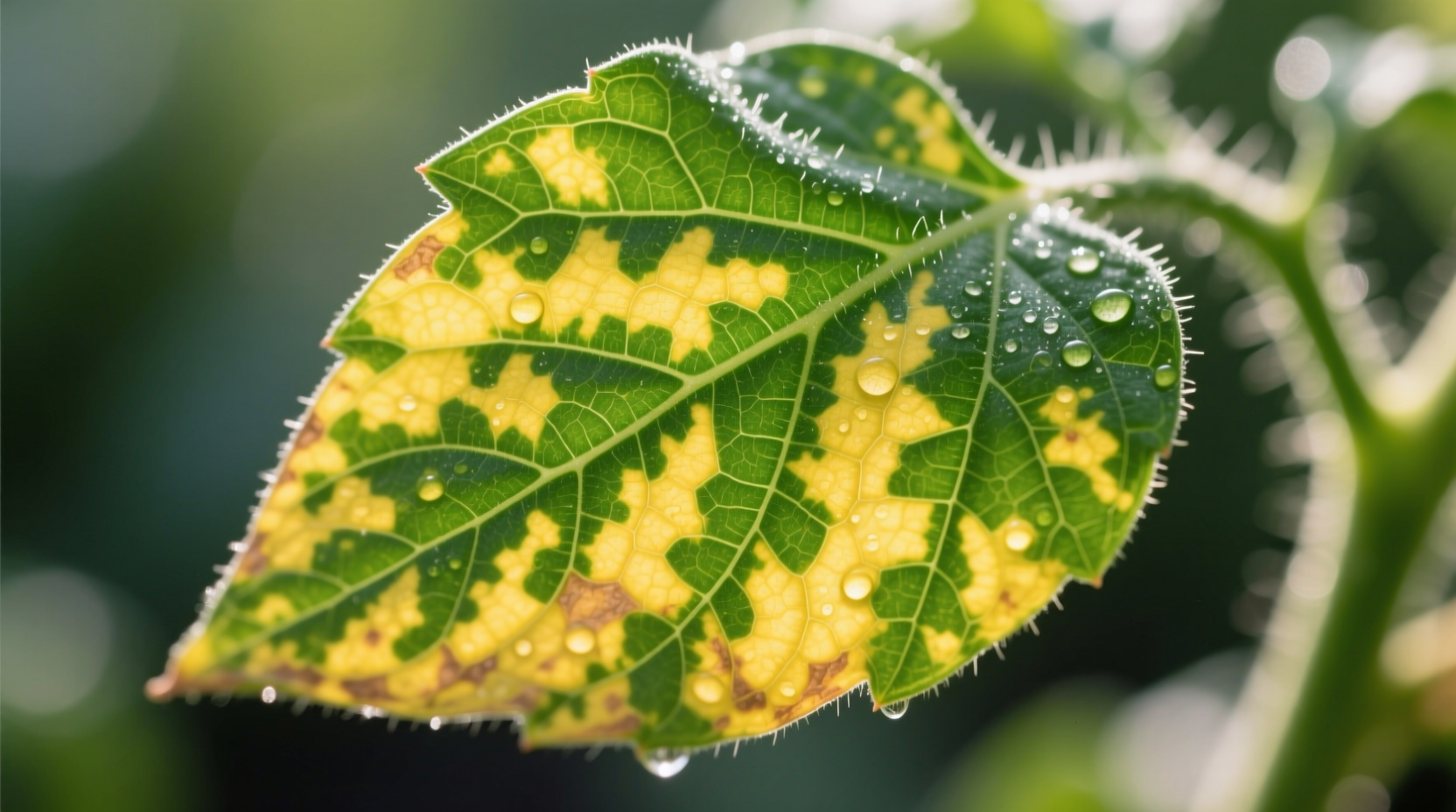
| Yellow between veins, green veins | Iron or magnesium deficiency | High |
| Yellow with brown spots | Fungal disease (Septoria, Early Blight) | Critical |
| Entire plant yellowing rapidly | Overwatering or root rot | Emergency |
| Top leaves yellow while lower remain green | Zinc deficiency or herbicide damage | Moderate |
Top 5 Causes of Yellow Tomato Leaves (And Exactly How to Fix Them)
1. Watering Issues: The Most Common Culprit
Improper watering causes nearly 40% of yellow leaf cases according to University of Minnesota Extension. Tomatoes need consistent moisture—not too wet, not too dry.
How to diagnose: Check soil moisture 2-3 inches below surface. If it sticks together when squeezed, you're overwatering. If it won't hold shape, you're underwatering.
Solution: Water deeply 1-2 times weekly (more in extreme heat), aiming for 1-1.5 inches total. Use mulch to maintain consistent moisture. Always water at soil level, not on leaves.
2. Nutrient Deficiencies: Reading the Visual Clues
Different deficiencies create distinct yellowing patterns. The University of Kentucky College of Agriculture identifies these key patterns:
- Nitrogen deficiency: Older leaves turn uniformly yellow, eventually drying and falling off
- Magnesium deficiency: Yellowing between veins while veins remain green, starting on older leaves
- Iron deficiency: New growth turns yellow with green veins
Solution: For nitrogen deficiency, apply balanced organic fertilizer (10-10-10). For magnesium issues, spray with Epsom salt solution (1 tbsp per gallon). Iron deficiency requires chelated iron supplements.
3. Fungal Diseases: When Yellow Means Danger
Fungal infections like Septoria leaf spot and Early Blight cause yellow leaves with distinctive spots. These spread rapidly in humid conditions.
How it progresses:
- Week 1: Small yellow spots appear on lower leaves
- Week 2: Spots grow larger with dark centers, leaves turn completely yellow
- Week 3: Disease moves up plant, defoliation begins
- Week 4: Significant yield reduction without intervention
Solution: Remove affected leaves immediately. Apply copper-based fungicide weekly. Improve air circulation between plants. Rotate crops annually.
4. Pest Damage: Hidden Leaf Troublemakers
Spider mites and aphids cause stippling that turns leaves yellow. Check undersides of leaves for tiny insects or webbing.
Solution: Spray with insecticidal soap every 5-7 days. Introduce beneficial insects like ladybugs. Keep plants well-watered as drought-stressed plants attract more pests.
5. Environmental Stress: When Conditions Cause Yellowing
Extreme temperatures, insufficient light, or transplant shock can cause yellowing. This typically affects the entire plant uniformly.
Solution: Provide shade during extreme heat. Ensure plants receive 6-8 hours of direct sunlight. Wait 7-10 days after transplanting before expecting vigorous growth.
When Yellow Leaves Are Normal (Don't Panic!)
Not all yellowing indicates problems. These situations require no intervention:
- Natural aging: The oldest 1-2 sets of leaves turn yellow and drop as the plant grows
- Seasonal change: Late-season yellowing as plants complete their lifecycle
- Varietal characteristic: Some heirloom varieties naturally have slightly yellowish foliage
According to Cornell University's Vegetable Program, removing the bottom 6-12 inches of leaves (when they start yellowing) improves air circulation and reduces disease risk without harming the plant.
Preventing Yellow Leaves: Proven Strategies
Prevention beats treatment when it comes to healthy tomato plants:
- Test soil before planting (ideal pH: 6.2-6.8)
- Space plants 24-36 inches apart for proper airflow
- Use drip irrigation instead of overhead watering
- Apply 2-3 inches of organic mulch after soil warms
- Rotate planting locations annually
When to Call for Help
Contact your local cooperative extension service if:
- Yellowing spreads rapidly despite treatment
- Entire plant wilts within 24-48 hours
- You see white powdery substance on leaves
- Roots appear brown and mushy




 浙公网安备
33010002000092号
浙公网安备
33010002000092号 浙B2-20120091-4