
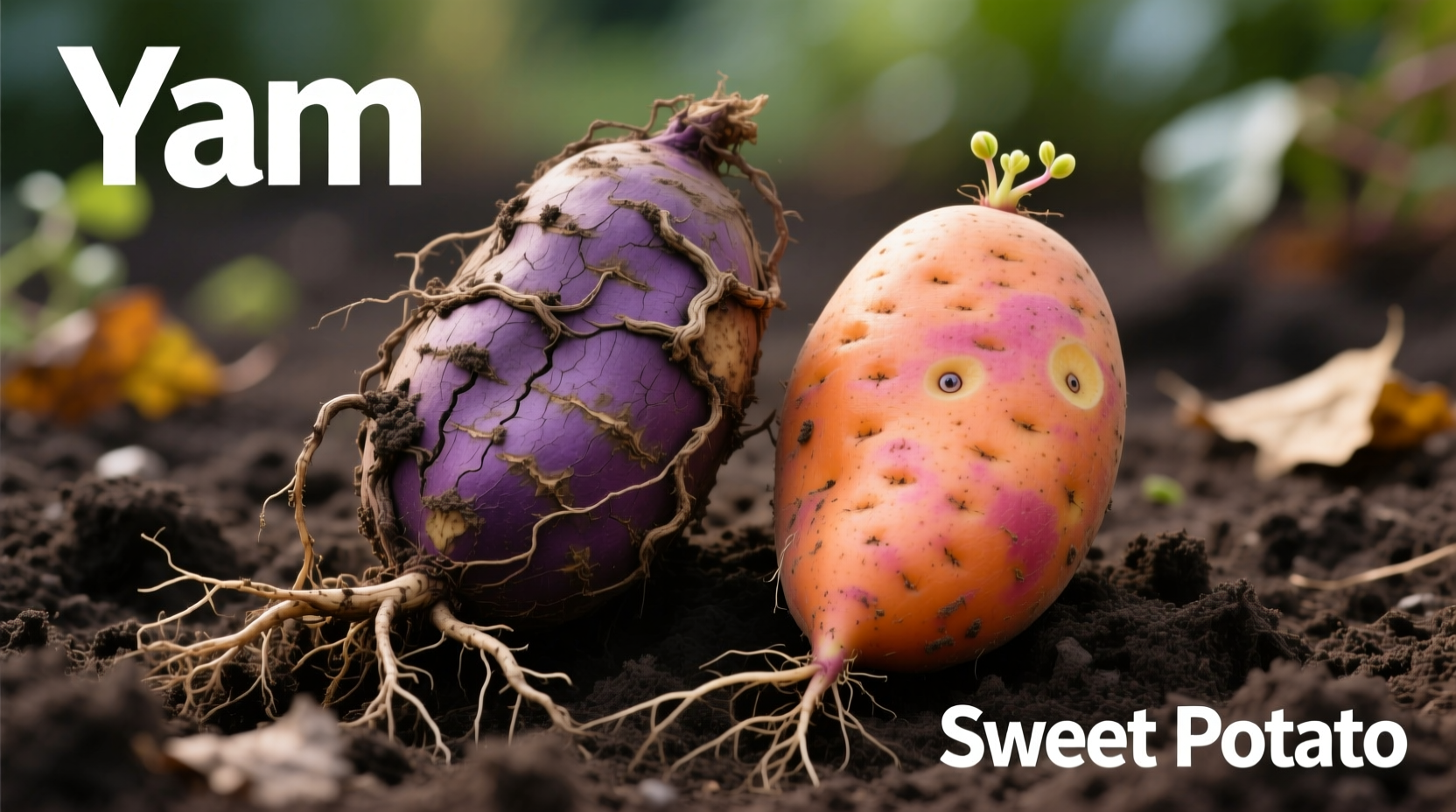
Why You've Been Misled About Yams and Sweet Potatoes
For decades, American grocery shoppers have operated under a culinary misconception: what's labeled as “yams” in supermarkets are almost always sweet potatoes. This confusion dates back to the early 20th century when orange-fleshed sweet potatoes entered the market. To distinguish them from traditional pale sweet potatoes, marketers borrowed the African word “yam” (pronounced “yahm”), creating lasting confusion.
| Characteristic | True Yam | Sweet Potato |
|---|---|---|
| Scientific Family | Dioscoreaceae | Convolvulaceae (morning glory) |
| Origin | Africa, Asia | Central/South America |
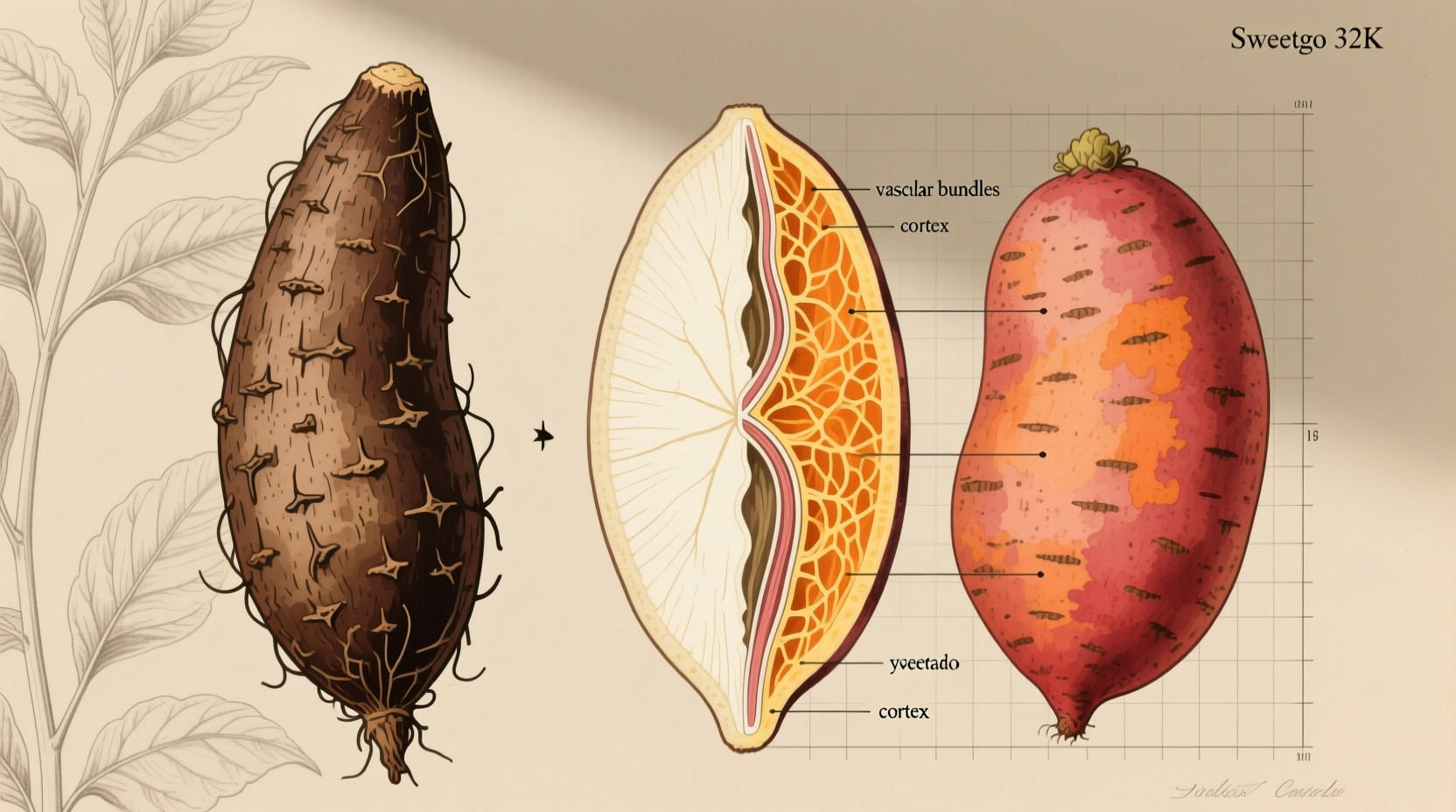
| Skin Texture | Rough, bark-like, black/brown | Thin, smooth, reddish/purple |
| Flesh Color | White, purple, or reddish | Orange, white, or purple |
| Sweetness Level | Starchy, less sweet | Naturally sweet |
| Availability in US | Rare (specialty markets) | Widely available |
How to Spot the Real Deal at the Grocery Store
When shopping, look beyond the “yam” label. True yams are uncommon in standard American supermarkets and typically appear only in African or Caribbean specialty markets. They feature:
- Thick, shaggy skin resembling tree bark
- Cylindrical shape with black or brown skin
- White, purple, or reddish flesh when cut
- Starchy texture similar to potatoes
What you're likely buying as “yams” are orange-fleshed sweet potatoes—a variety developed by Louisiana growers in the 1930s. The USDA now requires labels to include “sweet potato” alongside “yam” to reduce confusion, but the mislabeling persists.
Culinary Applications: When to Use Which
Understanding the difference matters for cooking outcomes. True yams excel in dishes requiring firm texture retention:
- West African fufu and pounded yam dishes
- Stews requiring long cooking times
- Recipes needing neutral starch base
Sweet potatoes offer versatility across sweet and savory applications:
- Orange varieties: Best for roasting, mashing, and baking (higher sugar content caramelizes beautifully)
- White/purple varieties: Ideal for soups and savory dishes (less sweetness)
- Great for purees, fries, and as pie filling
Substituting one for the other significantly impacts texture and flavor. Yams won't provide the caramelization sweet potatoes offer, while sweet potatoes may become too soft in traditional yam recipes.
Nutritional Comparison: Beyond the Color
While both provide complex carbohydrates and fiber, key nutritional differences exist according to USDA FoodData Central:
- Vitamin A: Sweet potatoes contain 283% of daily value per 100g (mostly in orange varieties), while yams provide only 2%
- Glycemic Index: Sweet potatoes generally have lower GI (44-94 depending on cooking method) versus yams (77-98)
- Antioxidants: Purple sweet potatoes contain anthocyanins, while white-fleshed yams offer different phytonutrients
- Caloric Density: Yams are slightly higher in calories (118 vs 86 per 100g raw)
For blood sugar management, boiling sweet potatoes preserves more resistant starch than baking. True yams provide more potassium (816mg vs 337mg per 100g), making them beneficial for electrolyte balance.
Global Perspectives on Yam and Sweet Potato Confusion
The misidentification isn't universal. In most countries outside the US, these tubers have distinct names and uses:
- In Nigeria, yams (ji) are cultural staples celebrated in annual New Yam Festivals
- Caribbean markets clearly distinguish “white yams” from “sweet potatoes” (called “boniato”)
- Japanese “japanese sweet potatoes” (satsumaimo) are actually sweet potatoes, not yams
This global context explains why the confusion primarily affects American consumers. The International Potato Center confirms that over 95% of products labeled “yams” in US supermarkets are sweet potatoes.
Practical Tips for Home Cooks
Maximize your tuber experience with these evidence-based recommendations:
- Storage: Keep sweet potatoes in cool, dark places (not refrigerated) for up to 3 weeks; yams last longer (1-2 months)
- Preparation: Peel yams before cooking (skin is inedible); sweet potato skin is edible and nutrient-rich
- Cooking Methods: Steam yams to preserve texture; roast sweet potatoes to enhance sweetness
- Substitutions: In recipes calling for “yams,” use white or purple sweet potatoes for closest match
Common Misconceptions Debunked
Let's address persistent myths with botanical facts:
- Myth: Yams are just darker sweet potatoes Fact: They belong to different plant families with distinct genetic profiles
- Myth: All orange tubers are sweet potatoes Fact: Some yam varieties (like ube) have purple flesh but are still true yams
- Myth: Sweet potatoes are a type of yam Fact: No botanical relationship exists between the two plants
The confusion persists because early American growers used “yam” as a marketing term for new sweet potato varieties. This historical context explains why even culinary professionals sometimes misuse the terms.
Frequently Asked Questions
Are yams and sweet potatoes the same thing?
No, they are completely different plants. True yams belong to the Dioscoreaceae family and originate from Africa/Asia, while sweet potatoes are from the Convolvulaceae family (morning glory) and originate from Central/South America. Most products labeled “yams” in US stores are actually sweet potatoes.
Why does my grocery store call sweet potatoes yams?
This dates back to the early 1900s when orange-fleshed sweet potatoes were introduced to distinguish them from traditional pale sweet potatoes. Marketers borrowed the African word “yam” for marketing purposes. The USDA now requires “sweet potato” to appear on labels, but the misnomer persists.
Which is healthier, yams or sweet potatoes?
Both offer nutritional benefits but differ significantly. Sweet potatoes contain dramatically more vitamin A (283% DV per 100g vs 2% in yams) and generally have a lower glycemic index. Yams provide more potassium (816mg vs 337mg per 100g) and slightly more calories. The “better” choice depends on your specific nutritional needs.
Can I substitute yams for sweet potatoes in recipes?
Substitution depends on the recipe. Yams have a starchier texture and less sweetness, so they won't caramelize like sweet potatoes. For savory dishes, substitution may work, but for sweet applications like pies, the results will differ significantly. When recipes call for “yams” in the US, they typically mean orange sweet potatoes.
Where can I find true yams in the United States?
True yams are uncommon in standard supermarkets but available in African, Caribbean, or Asian specialty markets, particularly in larger cities. Look for tubers with rough, bark-like skin and cylindrical shape. Most “yams” in regular grocery stores are actually sweet potatoes, often labeled as such with “sweet potato” in small print.




 浙公网安备
33010002000092号
浙公网安备
33010002000092号 浙B2-20120091-4