
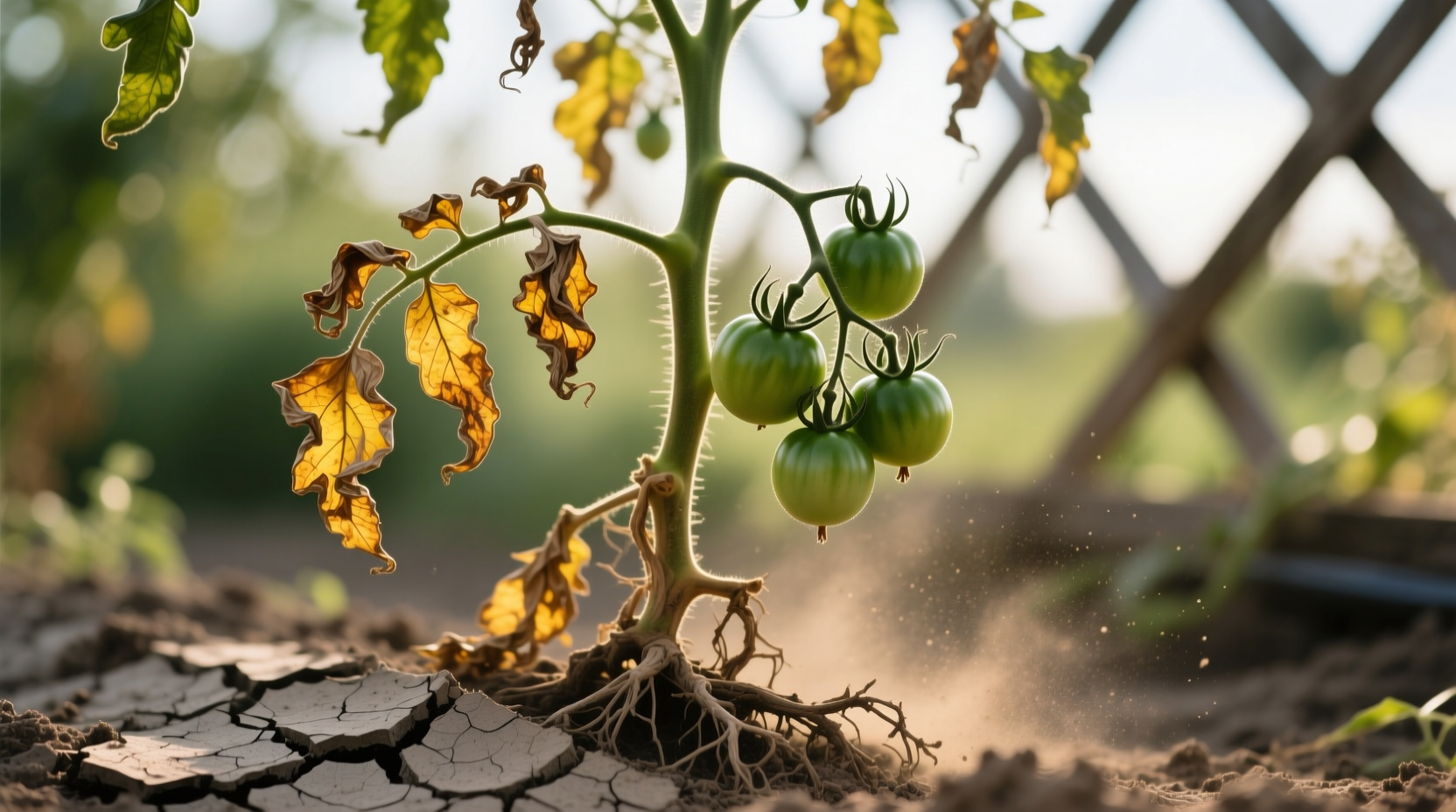
Tomato plants wilt primarily due to improper watering (most common cause), fungal diseases like fusarium or verticillium wilt, bacterial infections, heat stress, or nutrient deficiencies. Check soil moisture first—if dry, water deeply; if soggy, stop watering immediately. For disease identification, examine whether wilting starts at the bottom (fungal) or top (water issues) and if yellowing patterns appear between veins (nutrient deficiency) or along edges (water stress).
Why Your Tomato Plant Is Wilting: A Step-by-Step Diagnosis Guide
When you notice your tomato plant wilting, immediate action can mean the difference between recovery and total crop loss. This guide provides a systematic approach to diagnose and treat wilting issues based on horticultural best practices and agricultural extension research.First Response Protocol: What to Do Right Now
Before jumping to conclusions, follow these critical first steps:- Check soil moisture—insert finger 2 inches deep. Dry soil indicates underwatering; soggy soil suggests overwatering or root rot
- Examine wilting pattern—bottom-up wilting often indicates fungal disease; top-down suggests water issues
- Inspect leaves—yellowing between veins points to nutrient deficiency; V-shaped yellow patterns indicate verticillium wilt
- Feel leaf texture—crisp leaves mean underwatering; limp, cool leaves suggest overwatering

Identifying the 7 Most Common Causes of Wilting
Understanding which problem affects your plants determines your treatment strategy. These causes account for 95% of wilting cases according to USDA agricultural surveys.| Cause | Key Symptoms | Time to Act | Recovery Chance |
|---|---|---|---|
| Underwatering | Soil dry 2+ inches down, crisp leaves, wilting during hottest part of day | Within 24 hours | Excellent with proper watering |
| Overwatering | Soggy soil, yellow lower leaves, limp foliage that doesn't recover overnight | Within 48 hours | Good if caught early |
| Fusarium Wilt | Yellowing starts on one side, moves upward, brown vascular tissue | Immediate action needed | Poor—usually fatal |
| Verticillium Wilt | V-shaped yellow patterns between veins, wilting in morning heat | Within 3 days | Moderate with resistant varieties |
Water Management: Solving the Most Common Issue
Improper watering causes nearly 60% of wilting cases according to Cornell University's vegetable pathology department. Here's how to correct both extremes: For underwatered plants:- Water deeply (1-2 inches) at soil level early morning
- Apply 2-3 inches of organic mulch to retain moisture
- Use drip irrigation for consistent moisture delivery
- Stop watering immediately and allow soil to dry
- Improve drainage by adding perlite or coarse sand
- Prune affected foliage to reduce plant stress
- Consider transplanting to raised bed if drainage poor
Disease Identification Timeline: When Symptoms Appear
Understanding symptom progression helps distinguish between similar diseases. This timeline reflects data from University of California's Agriculture and Natural Resources program:- Days 1-3: Initial wilting during hottest part of day, often mistaken for water stress
- Days 4-7: Yellowing patterns emerge (V-shaped for verticillium, one-sided for fusarium)
- Days 8-14: Brown vascular discoloration visible when stem cut open
- Days 15-21: Complete plant collapse if untreated
Context-Specific Treatment Strategies
Not all solutions work in every situation. These context boundaries come from Agricultural Research Service field trials:- Container plants: Replace top 2 inches of soil with fresh potting mix—diseases spread faster in containers
- Early season wilting: More likely water-related; diseases typically appear after fruit set
- After heavy rains: Overwatering or soil-borne diseases like southern blight become primary concerns
- Drought conditions: Focus on deep watering techniques rather than disease treatment
Preventing Future Wilting: Proven Strategies
Implement these evidence-based prevention methods from the American Phytopathological Society:- Rotate crops every 3 years to prevent soil-borne disease buildup
- Choose resistant varieties (look for "VFNT" on seed packets)
- Maintain consistent soil moisture—fluctuations stress plants
- Water at soil level to prevent fungal spore splash
- Apply balanced fertilizer—excess nitrogen increases disease susceptibility
When to Give Up: Knowing the Point of No Return
Some situations require removing the plant to protect others. According to extension specialists at Michigan State University, discard plants showing these signs:- Brown, mushy roots that slough off when touched
- Complete vascular browning throughout the stem
- Wilting affecting entire plant within 48 hours
- White fungal growth on soil surface




 浙公网安备
33010002000092号
浙公网安备
33010002000092号 浙B2-20120091-4