
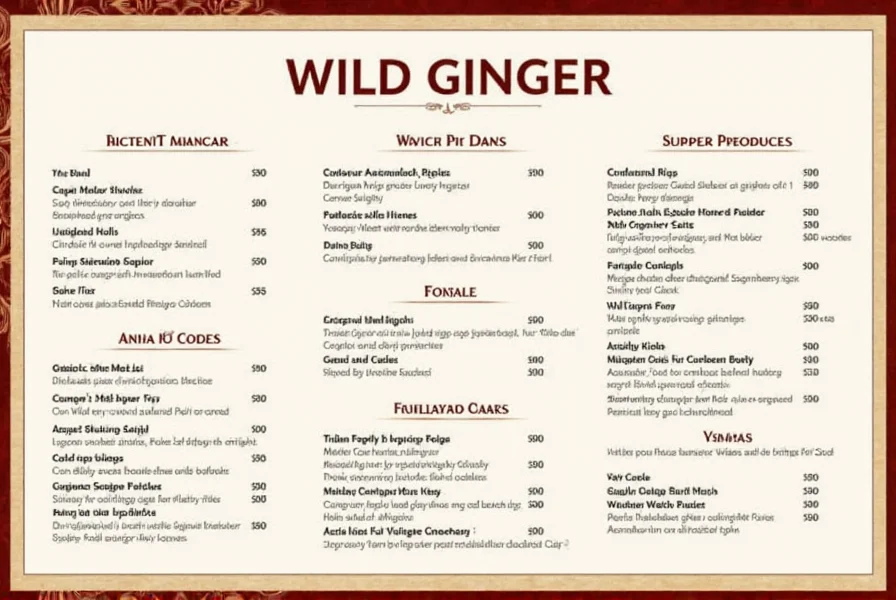
For diners seeking authentic yet innovative Asian cuisine in the Pacific Northwest, Wild Ginger's menu represents a carefully curated selection of dishes that balance tradition with modern culinary techniques. Established in 1989, this celebrated restaurant has maintained its reputation for quality while evolving its offerings to reflect contemporary tastes and seasonal availability.
Understanding Wild Ginger's Culinary Approach
Wild Ginger's menu philosophy centers on fresh, high-quality ingredients prepared with precision. Unlike many Asian restaurants that cater primarily to Americanized tastes, Wild Ginger maintains authentic flavors while making dishes accessible to diverse palates. The restaurant's commitment to quality ingredients is evident in their sourcing practices, with many components prepared in-house daily.
The menu structure follows traditional Asian dining progression, beginning with small plates and progressing through main courses to desserts. This organization reflects the restaurant's dedication to authentic dining experiences rather than simply offering à la carte items. Each section of the Wild Ginger menu Seattle features carefully balanced flavors that showcase the complexity of Asian culinary traditions.
Menu Categories and Signature Offerings
Wild Ginger's menu can be divided into several distinct categories, each featuring dishes that have become beloved by regular patrons while introducing newcomers to exceptional Asian fusion cuisine.
| Menu Category | Signature Dishes | Price Range |
|---|---|---|
| Appetizers & Small Plates | Shrimp Dumplings, Crispy Tofu, Vietnamese Spring Rolls | $12-$18 |
| Main Courses | Vietnamese Chicken Curry, Mongolian Lamb, Singapore Noodles | $24-$35 |
| Vegetarian Specialties | Vegetable Clay Pot, Tofu with Black Bean Sauce | $19-$26 |
| Desserts | Mango Sticky Rice, Green Tea Crème Brûlée | $10-$14 |
Detailed Menu Analysis
Appetizers and Small Plates
Wild Ginger's starter selection provides an excellent introduction to their culinary approach. The Vietnamese Spring Rolls showcase fresh herbs and perfectly cooked shrimp wrapped in rice paper, served with a house-made dipping sauce that balances sweet, sour, and spicy elements. For those exploring Wild Ginger Bellevue menu options, the Crispy Tofu with ginger-scallion sauce offers a satisfying vegetarian option that demonstrates the kitchen's attention to texture and flavor balance.
Main Course Selections
The heart of the Wild Ginger menu features several standout dishes that have become signature offerings over the restaurant's decades of operation. The Vietnamese Chicken Curry represents a perfect example of their approach—neither overly sweet nor excessively spicy, with coconut milk creating a rich but balanced sauce that complements the tender chicken. Diners searching for Wild Ginger Seattle menu prices will find this dish priced at $26, reflecting the quality of ingredients and preparation.
Mongolian Lamb remains one of the most popular entrees, featuring tender lamb shoulder with scallions, ginger, and a house-made Mongolian sauce. This dish exemplifies Wild Ginger's ability to create complex flavors without overwhelming heat, making it accessible to those who might typically avoid spicy Asian cuisine.
Vegetarian and Vegan Options
Wild Ginger has consistently offered thoughtful vegetarian options that go beyond simply removing meat from traditional dishes. Their Vegetable Clay Pot features seasonal vegetables prepared in a flavorful broth with tofu and mushrooms, creating a satisfying main course that appeals to both vegetarians and meat-eaters alike. For vegan diners exploring Wild Ginger Bellevue vegetarian options, many dishes can be prepared without fish sauce or other animal products upon request.
Desserts and Beverages
The dessert menu at Wild Ginger continues the theme of balancing tradition with innovation. Their Green Tea Crème Brûlée offers a familiar Western dessert format with distinctly Asian flavor profile, while the Mango Sticky Rice stays true to Thai tradition with perfectly ripe mango and coconut-infused sticky rice.
The beverage program complements the food menu with Asian-inspired cocktails, a carefully curated wine list featuring both Old and New World selections, and traditional teas. The Lychee Martini has become something of a signature drink, pairing beautifully with many of the restaurant's spicier offerings.
Seasonal Menu Changes and Special Features
One aspect that distinguishes Wild Ginger from many other Asian restaurants is their commitment to seasonal menu changes. While maintaining several signature dishes that regular patrons expect, the restaurant introduces new items quarterly based on ingredient availability and culinary inspiration. These Wild Ginger seasonal menu specials often feature Pacific Northwest ingredients prepared with Asian techniques, creating truly unique fusion dishes.
For special occasions, Wild Ginger offers multi-course tasting menus that showcase the chef's creativity and the restaurant's commitment to quality. These curated experiences provide an excellent opportunity to sample a variety of dishes from different menu sections.
Dietary Accommodations and Menu Transparency
Wild Ginger demonstrates impressive attention to dietary needs without compromising flavor. The menu clearly identifies dishes that can be prepared gluten-free, and servers receive regular training on ingredient composition to assist guests with specific dietary requirements. When researching Wild Ginger menu allergens, diners will find the restaurant proactive about accommodating needs while maintaining culinary integrity.
This level of menu transparency extends to ingredient sourcing information. Wild Ginger proudly highlights their relationships with local farmers and sustainable seafood providers, adding another dimension to their commitment to quality that goes beyond mere flavor considerations.
Value Assessment of Wild Ginger's Menu
When evaluating Wild Ginger menu prices against the overall dining experience, the restaurant offers solid value within its category. Main courses ranging from $24-$35 may seem moderate to upscale at first glance, but the portion sizes, ingredient quality, and preparation complexity justify the pricing. Unlike many restaurants where premium pricing reflects primarily the location or ambiance, Wild Ginger's prices directly correlate with the quality of food served.
For those planning a visit and reviewing Wild Ginger Seattle menu PDF options online, it's worth noting that the restaurant maintains consistent pricing between their Seattle and Bellevue locations, with only minor variations based on local operating costs.
Planning Your Visit: Menu Considerations
First-time visitors to Wild Ginger often benefit from understanding how to navigate the menu effectively. Unlike some Asian restaurants where ordering multiple small plates is standard, Wild Ginger's menu structure supports both traditional multi-course dining and more casual à la carte ordering.
For optimal enjoyment of the Wild Ginger menu Bellevue or Seattle locations, consider these recommendations:
- Start with 1-2 small plates to share
- Select one main course per person
- Consider adding a vegetable side if not ordering a vegetarian main
- Reserve room for dessert, which completes the flavor journey
The restaurant's servers are knowledgeable about flavor pairings and can suggest combinations that create a balanced meal experience. Don't hesitate to ask about Wild Ginger menu recommendations based on your preferences.
Conclusion: The Enduring Appeal of Wild Ginger's Menu
Wild Ginger's menu has maintained its appeal for over three decades by balancing tradition with innovation, quality with accessibility, and authenticity with approachability. Whether you're a longtime fan familiar with their Wild Ginger signature dishes or a first-time visitor exploring their offerings, the menu provides a thoughtful culinary journey through Asian flavors with a Pacific Northwest sensibility.
The restaurant's commitment to evolving their menu while maintaining core principles ensures that regular patrons always have something new to discover, while newcomers can experience the dishes that have made Wild Ginger a regional institution. When evaluating Wild Ginger menu reviews across various platforms, the consistent praise for their food quality and menu creativity confirms their position as a standout in the Pacific Northwest dining scene.
What are the most popular dishes on the Wild Ginger menu?
The most popular dishes include Vietnamese Chicken Curry, Mongolian Lamb, and Singapore Noodles. These signature items have remained menu staples for years due to their balanced flavors and high-quality preparation. The Vietnamese Spring Rolls and Shrimp Dumplings are also consistently top-rated appetizers among regular patrons.
Does Wild Ginger offer vegetarian and vegan options?
Yes, Wild Ginger offers several dedicated vegetarian dishes including Vegetable Clay Pot and Tofu with Black Bean Sauce. Many other dishes can be prepared vegan upon request by omitting fish sauce and other animal products. Servers are trained to accommodate dietary restrictions while maintaining the integrity of each dish's flavor profile.
What is the price range for main courses at Wild Ginger?
Main courses at Wild Ginger typically range from $24 to $35. This moderate to upscale pricing reflects the quality of ingredients, preparation complexity, and portion sizes. Appetizers range from $12 to $18, while desserts are priced between $10 and $14. The restaurant maintains consistent pricing between their Seattle and Bellevue locations.
Does Wild Ginger change their menu seasonally?
Yes, Wild Ginger introduces seasonal menu changes quarterly while maintaining several signature dishes. These seasonal updates feature ingredients at their peak freshness and often incorporate Pacific Northwest produce prepared with Asian techniques. The restaurant also offers special tasting menus for holidays and special occasions that showcase the chef's seasonal creativity.
How can I view the current Wild Ginger menu before visiting?
The most current Wild Ginger menu is available on their official website, which updates whenever seasonal changes occur. Both the Seattle and Bellevue locations maintain identical core menus with only minor variations. For the most accurate information, especially regarding daily specials, it's recommended to check their website or call the restaurant directly before your visit.




 浙公网安备
33010002000092号
浙公网安备
33010002000092号 浙B2-20120091-4