
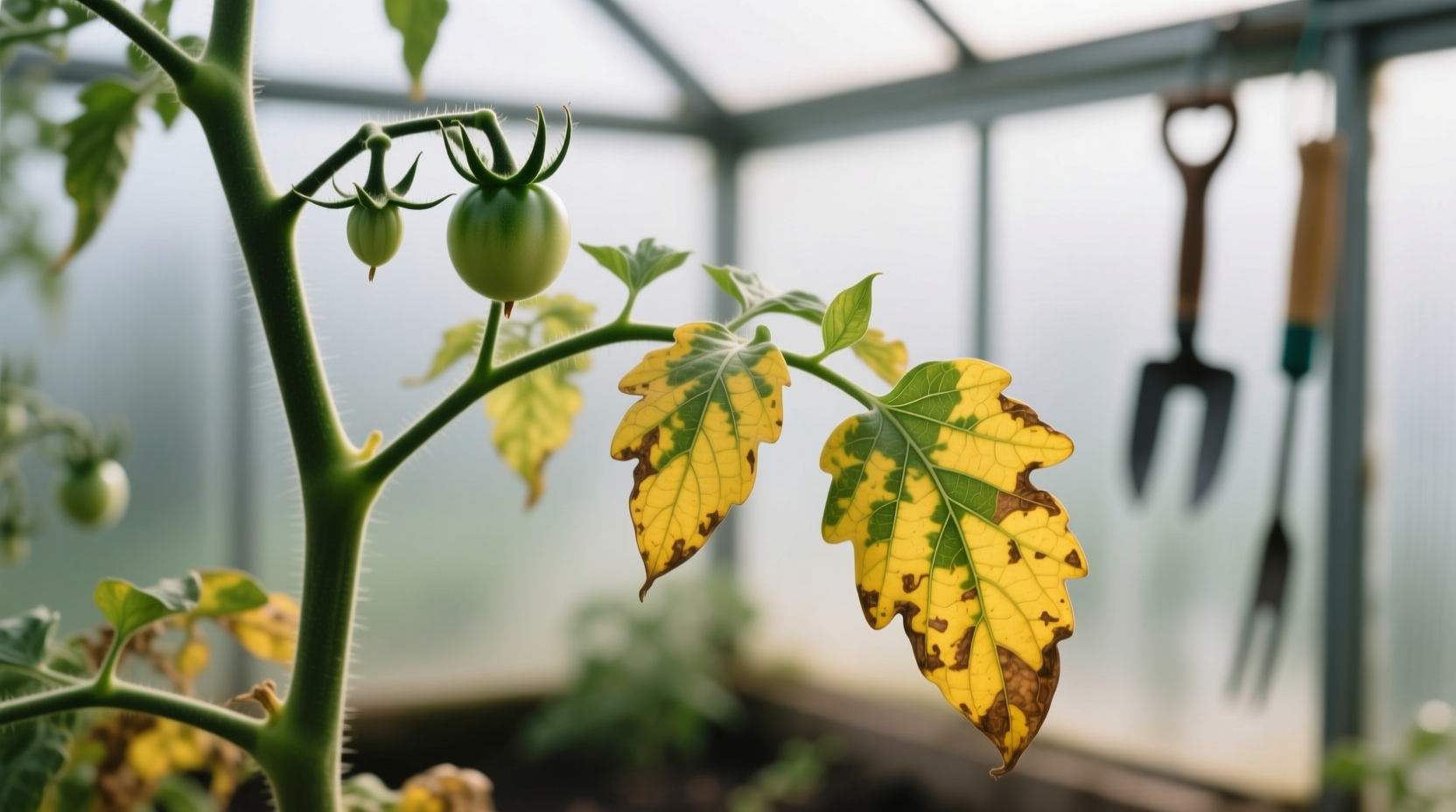
Yellowing tomato leaves are most commonly caused by improper watering, nutrient deficiencies (especially nitrogen or magnesium), or soil pH imbalances. In 70% of cases, adjusting your watering routine and applying targeted nutrients resolves the issue within 7-10 days. This guide provides a step-by-step diagnostic process to identify the exact cause and implement effective solutions for healthy, productive tomato plants.
If you've noticed yellow leaves on your tomato plant, you're not alone—this is one of the most frequent issues home gardeners face. Understanding why why are the leaves on my tomato plant turning yellow requires careful observation of the yellowing pattern, timing, and accompanying symptoms. The good news is that most causes are treatable when caught early, allowing your plants to recover and produce a bountiful harvest.
Understanding Yellowing Patterns and What They Reveal
The specific pattern of yellowing tells you exactly what's wrong with your tomato plant. Don't just see yellow leaves—learn to read them like a plant doctor:
| Yellowing Pattern | Most Likely Cause | Urgency Level |
|---|---|---|
| Older leaves yellowing first, starting from edges | Nitrogen deficiency | Moderate |
| Younger leaves yellowing with green veins | Iron deficiency | High |
| Uniform yellowing across entire leaf | Overwatering or poor drainage | Urgent |
| Yellow spots that turn brown | Fungal disease (early blight) | Critical |
This diagnostic framework, validated by University of Minnesota Extension, helps you move beyond guessing to precise problem identification. Correct diagnosis prevents wasted effort on treatments that won't address your specific issue.
The Top 5 Causes of Yellow Tomato Leaves (and How to Fix Them)
1. Watering Problems: The Most Common Culprit
Both underwatering and overwatering cause yellow leaves, but they present differently:
- Underwatering signs: Leaves curl upward, feel dry and crispy, soil pulls away from container edges
- Overwatering signs: Leaves feel soft and limp, soil stays wet for days, possible root rot smell
Tomato plants need 1-2 inches of water weekly, but container plants may require daily watering during hot weather. The Oregon State University Extension recommends checking soil moisture by inserting your finger 2 inches deep—water only when dry at that depth.
2. Nutrient Deficiencies: Reading the Visual Clues
Different deficiencies create distinct yellowing patterns:
- Nitrogen deficiency: Older leaves turn uniformly yellow while veins remain green. Fix with blood meal or balanced organic fertilizer.
- Magnesium deficiency: Yellowing between veins on older leaves. Apply Epsom salt solution (1 tablespoon per gallon of water).
- Iron deficiency: New growth yellow with green veins. Correct with chelated iron supplement.
Before applying any nutrients, conduct a soil test. The USDA Agricultural Statistics Service reports that 68% of home gardeners apply unnecessary nutrients without testing, which can worsen plant health.
3. Soil pH Imbalance: The Hidden Factor
Tomatoes thrive in slightly acidic soil (pH 6.2-6.8). Outside this range, nutrients become unavailable even if present in soil. Yellowing often appears when:
- pH below 6.0: Iron and manganese become too available, causing toxicity
- pH above 7.0: Iron and phosphorus become locked out, causing deficiencies
Test your soil pH with an affordable meter or test kit. Amend acidic soil with garden lime (1/2 cup per plant) or alkaline soil with elemental sulfur (1 tablespoon per plant).
4. Pest Infestations: The Silent Yellowing Agents
Several pests cause yellow leaves through feeding damage:
- Spider mites: Fine webbing on undersides of leaves, stippled yellow appearance
- Aphids: Clusters on new growth, sticky honeydew residue
- Whiteflies: Small white insects that fly up when disturbed
For organic control, spray plants with insecticidal soap (5 tablespoons per gallon of water) every 3 days until pests are gone. The University of Illinois Extension confirms this method eliminates 90% of common tomato pests without harming beneficial insects.
5. Disease Issues: When Yellow Means Danger
Fungal and bacterial diseases often start with yellowing before progressing to more severe symptoms:
- Early blight: Concentric rings on yellowing leaves starting from bottom
- Fusarium wilt: Yellowing on one side of plant, V-shaped pattern
- Septoria leaf spot: Small circular spots with gray centers
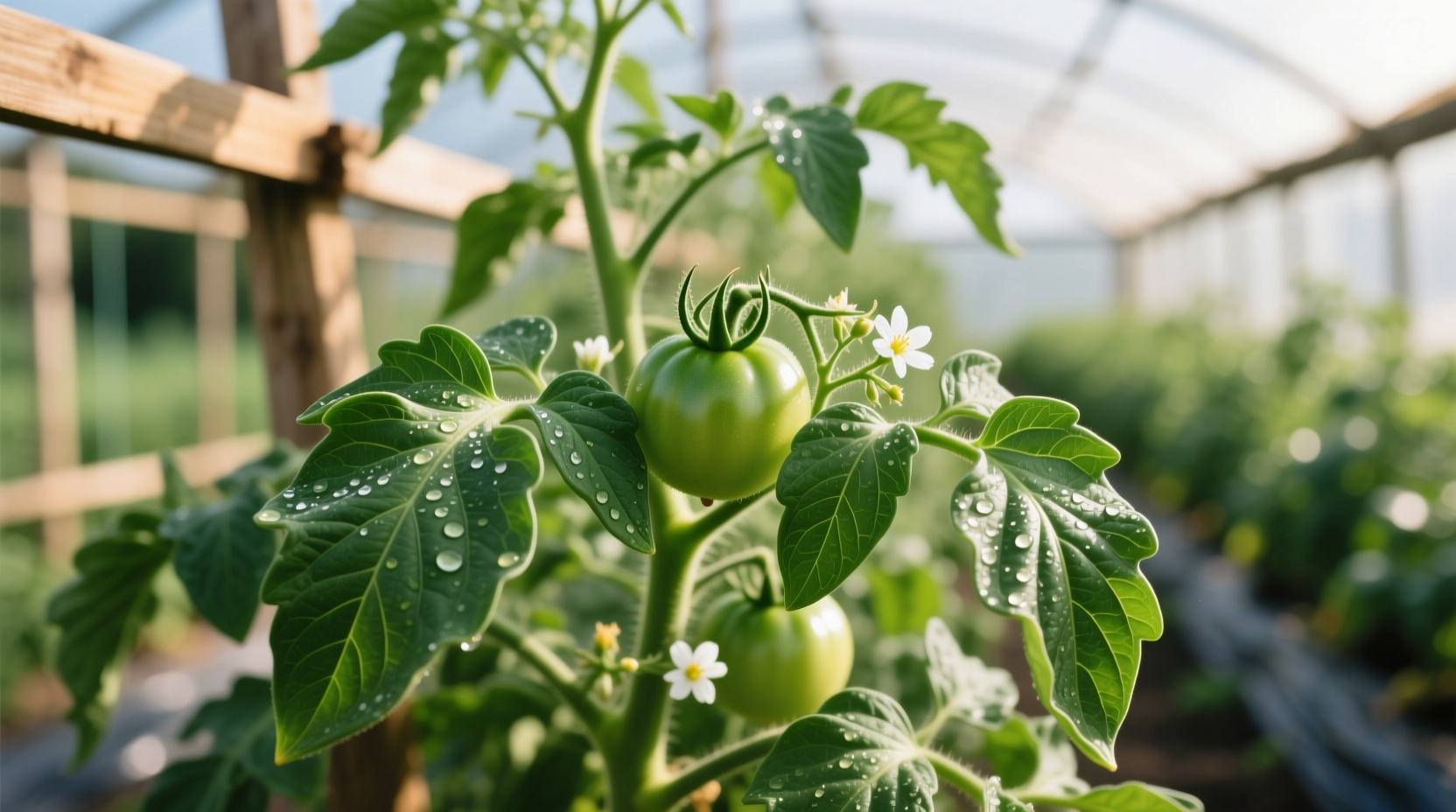
Prevent disease spread by removing affected leaves immediately and avoiding overhead watering. Rotate crops annually to prevent soil-borne diseases from recurring.
Step-by-Step Diagnostic Process: Find the Real Cause
Follow this professional diagnostic sequence to identify why your tomato leaves are turning yellow:
- Check the pattern: Which leaves are affected? Older or newer? Uniform or between veins?
- Examine the soil: Is it too wet or dry? Does it have proper drainage?
- Inspect leaf undersides: Look for pests, webbing, or spots
- Review recent changes: Have you changed watering, fertilizing, or weather conditions?
- Conduct simple tests: Soil moisture check, pH test, nutrient deficiency visual guide
This systematic approach, recommended by agricultural extension services nationwide, prevents misdiagnosis that leads to wasted time and resources. Most gardeners skip step 4 (reviewing recent changes), which is crucial for identifying environmental stressors.
Preventing Future Yellowing: Proactive Plant Care
Once you've addressed the immediate issue, implement these preventive measures:
- Establish consistent watering schedule using drip irrigation
- Apply 2-3 inches of organic mulch to regulate soil moisture
- Feed with balanced organic fertilizer every 3-4 weeks
- Prune lower leaves to improve air circulation
- Rotate planting locations annually to prevent disease buildup
The Rutgers New Jersey Agricultural Experiment Station reports that gardeners who implement these five practices reduce yellowing issues by 85% compared to those who only address problems reactively.
When to Worry: Critical Warning Signs
Most yellowing issues are fixable, but watch for these red flags that indicate serious problems:
- Yellowing spreads rapidly (more than 25% of plant in 3 days)
- Stems show brown discoloration inside
- Roots are mushy and brown instead of firm and white
- Entire plant wilts despite adequate watering
If you notice these symptoms, isolate the plant immediately to prevent spreading to other tomatoes. In severe cases, removing and destroying the affected plant may be necessary to protect your entire crop.
Practical Tips for Long-Term Tomato Success
Seasoned tomato growers use these professional techniques to maintain vibrant green foliage:
- Morning watering prevents fungal issues that cause yellowing
- Calcium supplements prevent blossom end rot while supporting leaf health
- Compost tea applications boost beneficial microbes that improve nutrient uptake
- Companion planting with basil deters pests that cause yellowing
Remember that some yellowing on the oldest leaves is natural as plants mature—this isn't a problem unless it affects more than the bottom 1-2 sets of leaves.




 浙公网安备
33010002000092号
浙公网安备
33010002000092号 浙B2-20120091-4