
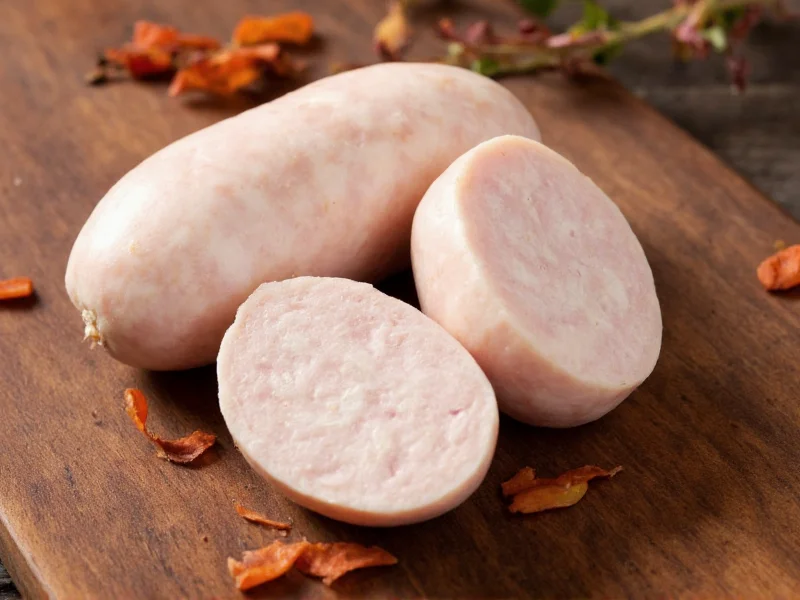
White sausage, or Weisswurst, represents one of Germany's most beloved culinary traditions with deep roots in Bavarian culture. This distinctive sausage has captivated food enthusiasts worldwide with its delicate flavor profile and unique preparation methods that have remained largely unchanged since its creation.
Historical Origins and Cultural Significance
The story of white sausage begins in Munich during 1857 when butchers accidentally omitted the usual curing process that gives most sausages their characteristic pink color. Instead of discarding the batch, they cooked the sausages immediately, creating what would become Bavaria's signature breakfast item. The traditional 'Weisswurstfrühstück' (white sausage breakfast) remains a cherished ritual where locals gather before noon to enjoy these delicate sausages as part of their morning meal.
According to Bavarian tradition, Weisswurst should never be eaten after noon, reflected in the saying 'Die Wurst muss vor der Mittagsstunde geknackt sein' (the sausage must be cracked before midday). This custom stems from historical food safety concerns, as these sausages contain no preservatives and were traditionally made fresh each morning.
Traditional Ingredients and Preparation Methods
Authentic Bavarian white sausage contains specific ingredients that contribute to its distinctive flavor and texture:
- Finely minced veal (typically 60-70% of the mixture)
- Pork back bacon for richness
- Fresh parsley for color and flavor
- Lemon zest for brightness
- Mace,, cardamom, and ginger for warmth
- Onion and white pepper for seasoning
- Finely ground veal broth for binding
The preparation process requires careful attention to detail. Butchers grind the ingredients twice through fine plates, mix with broth, and stuff into natural casings. Unlike most sausages, Weisswurst is never smoked or cured, maintaining its characteristic pale color. When preparing at home, gently simmer the sausages in water kept below boiling point (about 70°C/158°F) for 10-15 minutes until they float to the surface.
Regional Variations Across Europe
| Region | Variation Name | Key Differences |
|---|---|---|
| Munich, Germany | Weisswurst | Classic version with veal, parsley, lemon zest |
| Nuremberg, Germany | Bratwurst | Smaller, grilled, contains marjoram |
| Austria | Wiener Frühstückswurst | Similar but often includes more spices |
| Switzerland | St. Galler Bratwurst | Contains milk, distinctive elongated shape |
| France | Strasbourg White Sausage | Includes wine in the mixture |
Traditional Serving Methods and Accompaniments
Serving white sausage properly is an art form in Bavaria. The traditional presentation includes:
- Six sausages arranged in a circular pattern on a plate
- Large bowl of sweet mustard (süßer Senf) for dipping
- Freshly baked pretzel (Brezel)
- Traditional wheat beer (Weißbier)
The proper technique for eating Weisswurst, known as 'zuzeln,' involves carefully peeling back the casing rather than biting through it. Many Bavarians use a small knife to make a slit along the length of the sausage before gently removing the skin. This method preserves the delicate texture and prevents the flavorful juices from escaping.
For those seeking an authentic Bavarian white sausage experience, understanding regional serving traditions enhances the culinary journey. The combination of mild-flavored sausage with tangy-sweet mustard creates a perfect balance that has delighted palates for generations.
Finding Authentic White Sausage
Locating genuine Bavarian white sausage outside Germany requires knowing what to look for. In Munich, the most authentic Weisswurst comes from traditional butcher shops (Metzgerei) early in the morning. Outside Germany, specialty German markets and select European delis often carry frozen authentic versions.
When evaluating potential sources for traditional Bavarian white sausage, check for:
- Ingredients listing veal as the primary component
- Absence of artificial preservatives or colorings
- Natural casings rather than synthetic alternatives
- Freshness (should be purchased the same day)
For home preparation, finding quality veal and proper sausage casings proves essential for recreating the authentic texture and flavor profile of Munich-style white sausage. Many specialty butchers now offer mail-order options for those seeking genuine Bavarian breakfast sausage experiences.
White Sausage in Modern Culinary Context
While traditionally consumed as a breakfast item, contemporary chefs have incorporated Weisswurst into innovative dishes. Some creative applications include:
- Weisswurst salad with apple slices and vinaigrette
- Deconstructed white sausage appetizers
- White sausage-stuffed cabbage rolls
- Modern interpretations in fine dining settings
Despite these innovations, purists maintain that the traditional preparation and consumption method best honors the heritage of this Bavarian specialty. The delicate balance of spices and the subtle flavor of veal remain central to the authentic white sausage experience.
Frequently Asked Questions
Why is white sausage called 'white' if it's not actually white?
White sausage gets its name from the absence of curing agents like nitrites that give most sausages their pink color. The natural pale beige color of the cooked veal mixture appears 'white' compared to traditional smoked or cured sausages. Authentic Weisswurst should never have a pink hue, as this indicates improper preparation.
What's the proper way to eat white sausage in Bavaria?
The traditional Bavarian method for eating Weisswurst involves carefully peeling the casing rather than biting through it. Using a small knife, make a shallow cut along the length of the sausage, then gently remove the skin with your fingers before dipping in sweet mustard. This technique, called 'zuzeln,' preserves the delicate texture and prevents the flavorful juices from escaping.
Can white sausage be made without veal?
Traditional Bavarian white sausage requires veal as the primary ingredient to achieve its distinctive delicate flavor and texture. While some modern variations use pork or chicken, these are not considered authentic Weisswurst. The specific fat content and mild flavor of veal cannot be perfectly replicated with other meats, though pork-based versions exist in some regions as more economical alternatives.
Why do Bavarians eat white sausage before noon?
The tradition of eating Weisswurst before noon ('Die Wurst muss vor der Mittagsstunde geknackt sein') originated from historical food safety concerns. Since traditional white sausage contains no preservatives, it was made fresh each morning and consumed before the heat of the day could potentially compromise its quality. Though modern refrigeration makes this less critical today, the custom remains an important part of Bavarian culinary heritage.
What makes sweet mustard the perfect accompaniment for white sausage?
Sweet mustard (süßer Senf) complements white sausage perfectly because its mild sweetness balances the delicate flavor of the veal without overpowering it. Unlike sharper mustards, the traditional Bavarian sweet mustard contains less vinegar and more sugar, creating a harmonious pairing that enhances rather than competes with the subtle spices in Weisswurst. The specific mustard-to-sausage ratio is a matter of personal preference among Bavarians.




 浙公网安备
33010002000092号
浙公网安备
33010002000092号 浙B2-20120091-4