

White Potato Lake is a 1,360-acre natural lake located in Vilas County, Wisconsin, with a maximum depth of 55 feet and average clarity visibility of 12 feet. The lake features sandy beaches, rocky shorelines, and abundant recreational opportunities including fishing for muskellunge, walleye, and panfish species. Managed by the Wisconsin Department of Natural Resources (DNR), this lake sits within the Northern Highland-American Legion State Forest and connects to the larger Lake of the Clouds system through the White Potato River.
Discovering White Potato Lake's Natural Features
Nestled in the heart of Wisconsin's Northwoods, White Potato Lake offers visitors a pristine freshwater experience with its clear waters and diverse shoreline habitats. The lake spans approximately 3.5 miles in length with numerous bays and inlets that create ideal conditions for both fishing and exploration. According to the Wisconsin DNR's most recent lake survey, the lake maintains a mesotrophic classification, indicating moderate nutrient levels and healthy aquatic plant growth.
| Lake Characteristic | Measurement | Significance |
|---|---|---|
| Surface Area | 1,360 acres | Provides ample space for recreational activities without feeling crowded |
| Maximum Depth | 55 feet | Creates thermal stratification supporting diverse fish species |
| Shoreline Length | 14.7 miles | Offers numerous access points and private properties |
| Water Clarity | 12 feet (Secchi disk) | Excellent visibility for swimming and underwater observation |
Planning Your Visit to White Potato Lake
When planning your trip to White Potato Lake, consider these essential details to ensure a smooth experience. The lake is accessible year-round, but the optimal visiting period runs from May through October when water temperatures reach comfortable levels for swimming and boating. Winter enthusiasts will find excellent ice fishing opportunities once the lake freezes solid, typically from late December through early March.
Getting to White Potato Lake requires some preparation. Located approximately 15 miles northwest of Eagle River, Wisconsin, the lake is reached via County Highway M. Public access points include the main boat landing on the lake's southern end, which features a concrete ramp, parking area, and courtesy dock. Additional access is available through several county forest roads that lead to undeveloped shoreline areas.
Recreational Activities and What to Expect
Fishing remains the primary attraction at White Potato Lake, with the Wisconsin DNR stocking walleye and muskellunge to maintain healthy populations. Anglers report consistent catches of:
- Muskellunge (state-regulated with specific size and quantity limits)
- Walleye (abundant during spring and fall)
- Smallmouth bass (found around rocky structures)
- Panfish including bluegill and crappie (excellent for family fishing)
- Northern pike (common in weedy bays)
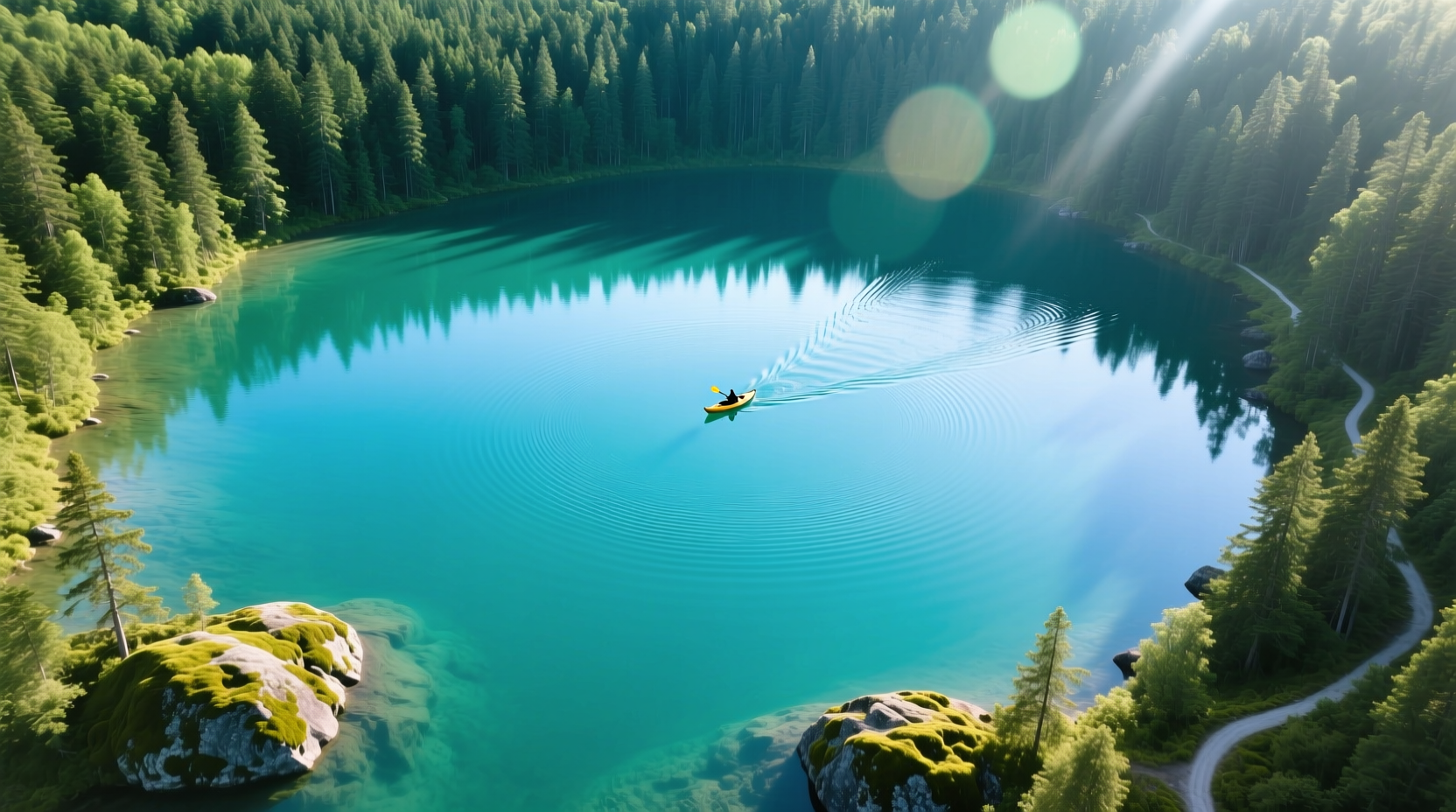
Boating enthusiasts will appreciate the lake's generally calm waters, though afternoon winds can create chop on the open sections. The lake accommodates all types of watercraft, from canoes and kayaks to larger motorboats, with a 10 horsepower motor limit enforced in certain protected areas to preserve water quality. Swimming is popular at several sandy shoreline locations, particularly at the public beach area maintained by Vilas County.
Accommodations and Local Amenities
Visitors to White Potato Lake have multiple accommodation options ranging from primitive camping to comfortable resorts. The Northern Highland-American Legion State Forest offers several campgrounds within a 10-mile radius, including the popular Black Oak campground which provides electric and non-electric sites with lake access.
For those seeking more amenities, the surrounding area features:
- Three full-service resorts with cabin rentals and boat launches
- Multiple private vacation rental properties
- Two public boat landings with parking facilities
- Numerous forest service roads for dispersed camping (with permit)
Local services are available in nearby Eagle River, approximately 20 minutes from the lake, including grocery stores, bait shops, and equipment rental outlets. Remember to obtain necessary fishing licenses and review current regulations through the Wisconsin DNR website before your trip.
Understanding Seasonal Considerations and Limitations
White Potato Lake offers different experiences throughout the year, each with specific considerations:
| Season | Water Temperature Range | Recommended Activities | Limitations |
|---|---|---|---|
| Spring (May-June) | 45-65°F | Walleye fishing, bird watching | Cooler temperatures, limited swimming |
| Summer (July-August) | 68-78°F | Swimming, boating, family fishing | Busier weekends, water levels may drop |
| Fall (September-October) | 50-65°F | Muskellunge fishing, foliage viewing | Cooler evenings, shorter daylight hours |
| Winter (December-March) | Ice-covered | Ice fishing, snowshoeing | Requires proper ice safety precautions |
Water levels fluctuate seasonally based on precipitation patterns, with the highest levels typically occurring in late spring following snowmelt. During drought conditions, some shallow access points may become temporarily unusable. Always check current lake conditions through the Wisconsin DNR's lake level monitoring system before planning activities that depend on specific water depths.
Preserving White Potato Lake's Natural Beauty
As a designated Wisconsin Natural Area, White Potato Lake benefits from special protections that help maintain its ecological integrity. Visitors play a crucial role in preserving this resource by following these guidelines:
- Practice proper waste disposal - pack out what you pack in
- Respect private property boundaries marked along the shoreline
- Follow all Wisconsin DNR regulations regarding fishing and boating
- Prevent the spread of aquatic invasive species by cleaning boats and gear
- Maintain appropriate noise levels, especially during evening hours
The lake's watershed protection efforts have successfully maintained water quality despite increasing visitation. According to the Wisconsin DNR's 2023 water quality assessment, White Potato Lake continues to meet all standards for recreational use and aquatic life support. This success stems from collaborative efforts between state agencies, local governments, and community organizations focused on sustainable lake management.




 浙公网安备
33010002000092号
浙公网安备
33010002000092号 浙B2-20120091-4