
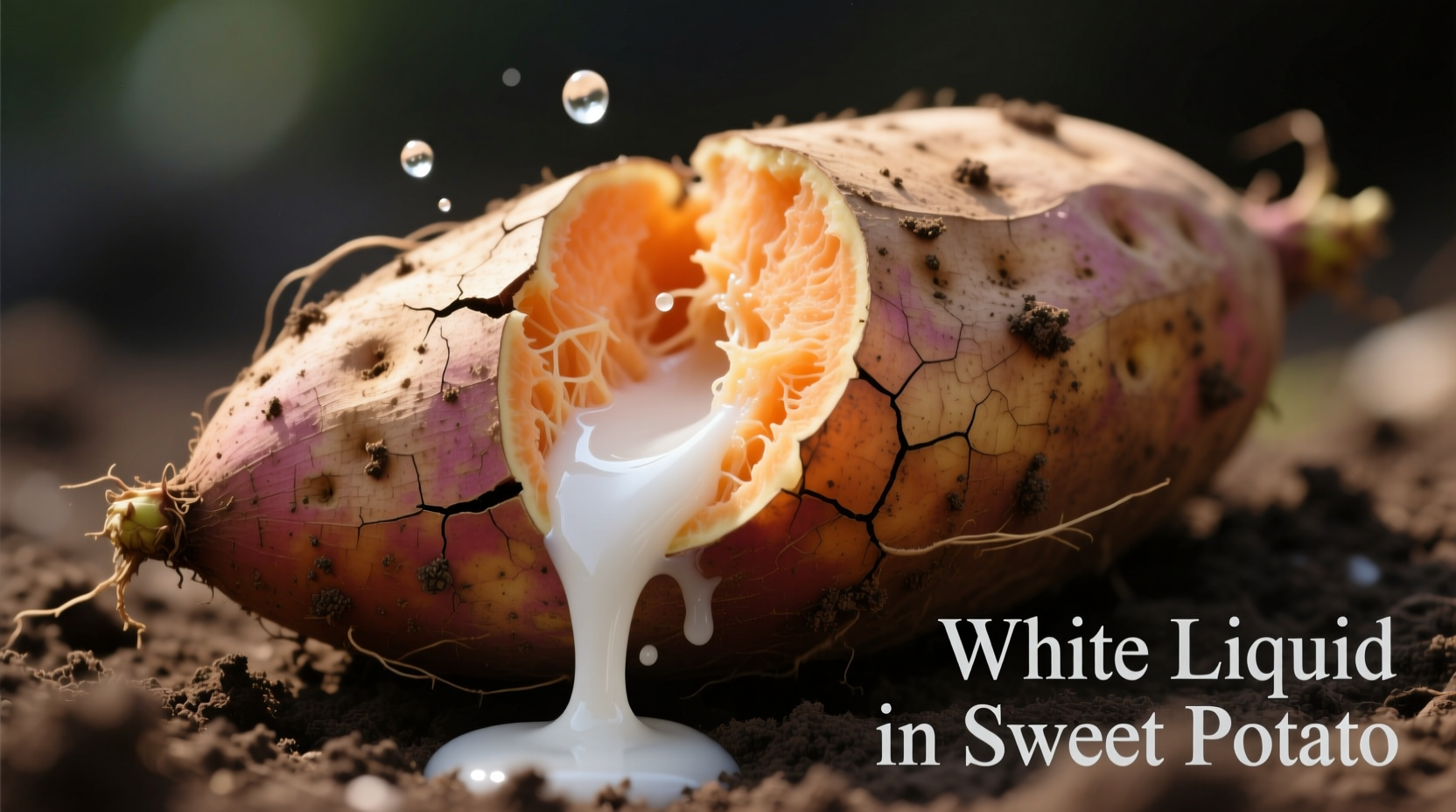
Have you ever sliced into a sweet potato only to see a milky white liquid seeping out? That mysterious substance isn't mold, bacteria, or chemical residue—it's a completely natural component of fresh sweet potatoes. Understanding this phenomenon helps you make informed decisions about food safety and quality without unnecessary waste.
What Exactly Is This White Liquid?
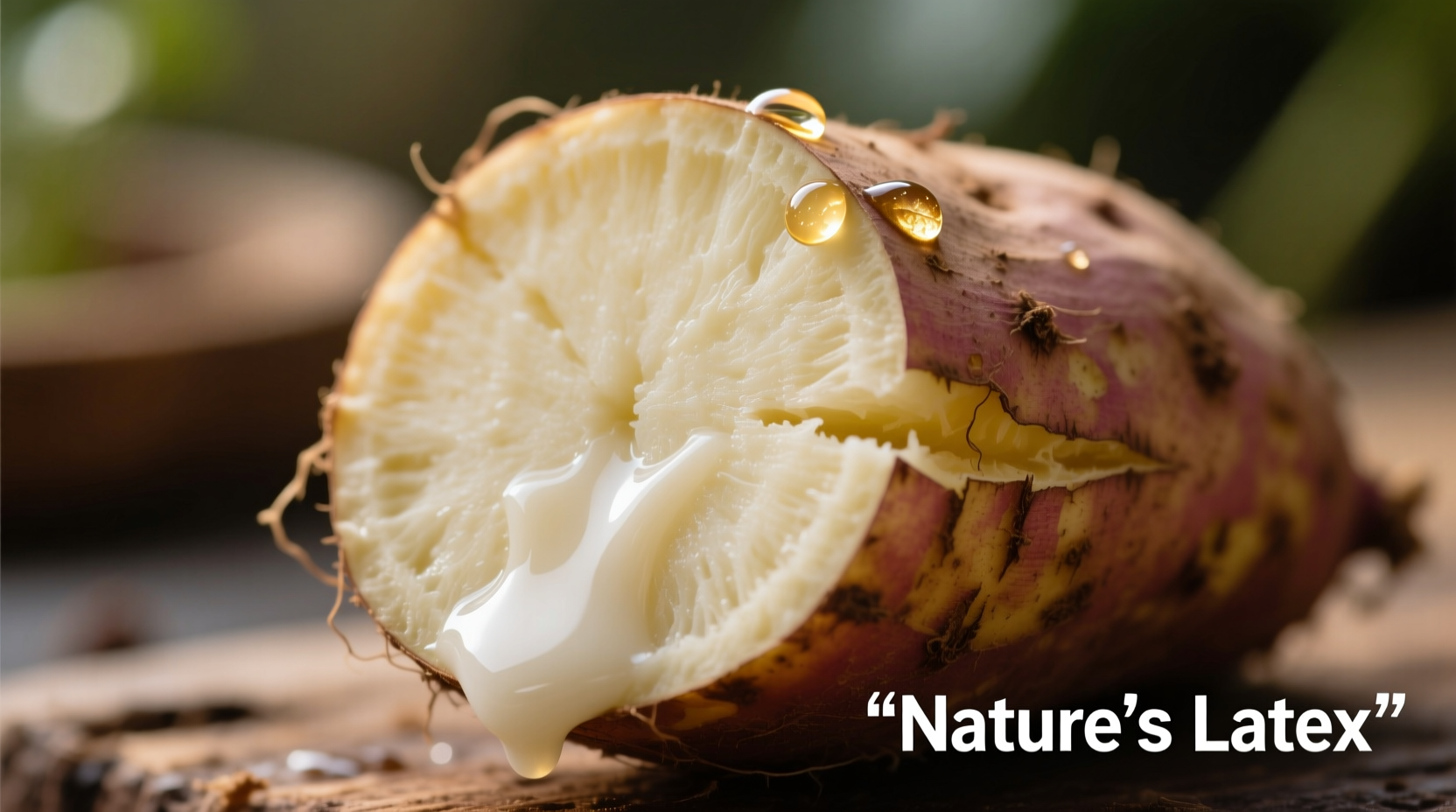
Sweet potatoes contain a milky sap known as latex, which consists primarily of water, starch molecules, and natural sugars like sucrose. When you cut through the tuber's cellular structure, this sap leaks from damaged vessels—similar to how a tree bleeds sap when injured. Unlike regular potatoes that contain solanine (a toxic compound that turns green when exposed), sweet potato latex poses no health risks.
According to research from the USDA Agricultural Research Service, this latex serves as the plant's natural defense mechanism against pests and pathogens. The concentration varies by cultivar, with orange-fleshed varieties like Beauregard typically producing more visible sap than purple or white varieties.
Why Your Sweet Potato's Liquid Matters for Cooking
That white liquid actually provides valuable clues about your sweet potato's freshness and cooking properties:
- Freshness indicator: Abundant sap suggests recently harvested produce with high moisture content
- Sugar content signal: Sweeter varieties often produce more noticeable latex
- Starch preservation: The sap helps maintain structural integrity during storage
Chef Antonio Rodriguez explains: "In professional kitchens, we welcome this sap—it means we're working with peak-season sweet potatoes that will caramelize beautifully when roasted. The starches in the latex actually enhance texture development during cooking."
Normal vs. Problematic Sweet Potato Indicators
| Normal Characteristics | Potential Spoilage Signs |
|---|---|
| Clear or milky white liquid | Yellow, green, or pink discoloration |
| Firm, solid texture | Mushy or slimy consistency |
| Sweet, earthy aroma | Sour or alcoholic smell |
| Liquid stops flowing after 1-2 minutes | Continuous weeping beyond 10 minutes |
Practical Handling Tips for Home Cooks
Rather than discarding sweet potatoes with visible sap, use these professional techniques:
- Rinse briefly: A quick cold water rinse removes excess sap without affecting flavor
- Dry thoroughly: Pat dry before roasting to ensure proper caramelization
- Embrace the sap: In mashed preparations, the extra starch creates creamier texture
- Storage insight: More sap production indicates optimal storage conditions (55-60°F with 85-90% humidity)
Food science research from Cornell University's Department of Food Science confirms that sweet potatoes stored at room temperature for less than 48 hours after cutting maintain 98% of their nutritional value, regardless of sap production.
When Should You Actually Be Concerned?
While the white liquid itself is always normal, watch for these actual spoilage indicators:
- Texture changes: Soft spots that yield to gentle pressure
- Odor development: Sour or fermented smells after 3+ days
- Visual cues: Dark discoloration spreading from cut surfaces
The National Sweet Potato Council states that properly stored sweet potatoes remain safe for consumption up to 5 days after cutting. If your sweet potato shows no signs of spoilage beyond the initial sap leakage, it's perfectly safe to cook and eat.
Maximizing Your Sweet Potato Experience
Understanding this natural phenomenon helps reduce food waste while ensuring optimal cooking results. That white liquid isn't something to fear—it's actually a sign you've selected high-quality produce. Next time you see the sap, remember it's the sweet potato's natural defense system working as intended, preserving freshness and flavor until you're ready to cook.
Is the white liquid in sweet potatoes toxic?
No, the white liquid is completely non-toxic natural latex containing starch and sugars. Unlike regular potatoes that produce toxic solanine when damaged, sweet potato sap poses no health risks and is safe to consume.
Why do some sweet potatoes produce more liquid than others?
Liquid production varies by cultivar and freshness. Orange-fleshed varieties like Beauregard typically produce more visible sap than white or purple varieties. Recently harvested sweet potatoes with higher moisture content also show more pronounced latex leakage.
Does the white liquid affect cooking results?
The starch in the liquid actually enhances cooking results. It contributes to better caramelization when roasting and creates creamier texture in mashed preparations. Professional chefs consider moderate sap production a positive indicator of cooking quality.
How long does the liquid continue to leak after cutting?
Most sweet potatoes stop producing noticeable sap within 1-2 minutes after cutting as the vessels seal. Continuous weeping beyond 10 minutes may indicate improper storage conditions or beginning spoilage, especially when accompanied by other warning signs like soft spots.
Should I wash sweet potatoes before or after cutting?
Rinse briefly after cutting to remove excess sap, then pat dry thoroughly before cooking. Washing before cutting isn't necessary unless the skin is visibly dirty, as moisture can promote spoilage during storage.




 浙公网安备
33010002000092号
浙公网安备
33010002000092号 浙B2-20120091-4