
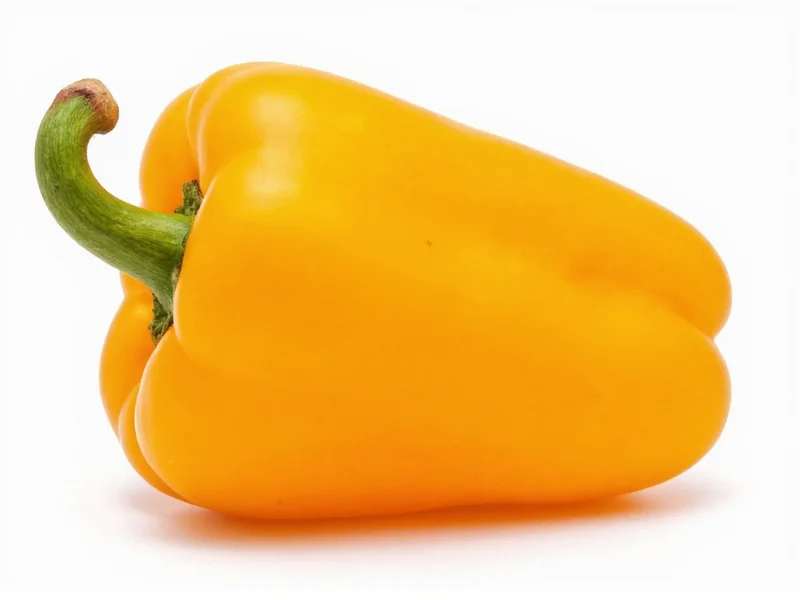
When shopping for bell peppers, understanding the relationship between color and sweetness can transform your culinary experience. Many home cooks and professional chefs alike wonder which bell pepper is sweet for their recipes, and the answer lies in the ripening process.
The Science Behind Bell Pepper Sweetness
Bell peppers undergo a natural maturation process that directly affects their flavor profile. All bell peppers start as green peppers on the plant. As they continue to ripen, they change color and develop increased sweetness. This transformation occurs because:
- Chlorophyll breaks down as peppers mature, revealing other pigments
- Sugar content increases significantly during ripening
- Bitter compounds decrease as the pepper reaches full maturity
- Red peppers require the longest time to ripen on the vine
According to agricultural studies, red bell peppers contain approximately 6-7 grams of sugar per 100 grams, compared to just 3-4 grams in green bell peppers. USDA nutrient analysis confirms red peppers provide 127.7mg vitamin C and 3,131mcg beta-carotene per 100g—significantly exceeding green peppers' 80.4mg vitamin C and 370mcg beta-carotene [USDA FoodData Central]. This biochemical progression confirms why red bell peppers are consistently the sweetest option available in grocery stores.
Evolution of Sweetness: Bell Pepper Ripening Timeline
The biochemical transformation from green to red follows a precisely documented biological sequence. Research from the University of Florida's Institute of Food and Agricultural Sciences establishes this evidence-based progression:
- Days 60-70 (Green Stage): Harvested early for structural integrity. Sugar content: 3-4g/100g. Dominated by chlorophyll (bitterness compounds) with minimal carotenoids. Vitamin C synthesis incomplete.
- Days 70-80 (Yellow/Orange Stage): Active starch-to-sugar conversion begins. Sugar content: 5-6.5g/100g. Chlorophyll degradation reveals intermediate carotenoids (beta-cryptoxanthin). Beta-carotene levels increase 3-5x over green stage.
- Days 80-94 (Red Stage): Peak maturity with complete pigment development. Sugar content: 6-7g/100g. Lycopene and beta-carotene reach maximum concentrations (8-11x green peppers). Requires 10-14 additional vine days versus green harvest.
This timeline explains both the sweetness gradient and nutritional premium of red peppers. The extended maturation period directly correlates with biochemical changes that enhance flavor and nutrient density [UF/IFAS Pepper Production Guide].
Bell Pepper Color Comparison: Sweetness and Nutrition
| Color | Sweetness Level | Sugar Content (per 100g) | Time to Ripen | Best Uses |
|---|---|---|---|---|
| Green | Mildly bitter | 3-4g | Shortest (early harvest) | Stir-fries, stuffed peppers, savory dishes |
| Yellow | Moderately sweet | 5-6g | Medium | Salads, roasting, raw applications |
| Orange | Sweet | 5.5-6.5g | Medium-long | Grilling, sauces, colorful salads |
| Red | Most sweet | 6-7g | Longest (fully mature) | Raw consumption, salads, sweet sauces, roasting |
| Purple/Chocolate | Variable (often similar to green) | 3.5-4.5g | Varies by variety | Specialty dishes, visual appeal |
Why Red Bell Peppers Taste Sweeter
The sweetness difference between bell pepper colors isn't just perception—it's biochemistry. As bell peppers ripen from green to red:
- Starch conversion: Complex carbohydrates break down into simple sugars
- Chlorophyll reduction: The green pigment decreases, reducing bitterness
- Carotenoid development: Red pigments (lycopene and beta-carotene) increase, enhancing sweetness perception
- Acid reduction: Natural acids that create tartness decrease during ripening
Understanding why red bell peppers are sweeter helps explain why they're often more expensive—they require additional time on the vine to reach full maturity, increasing production costs.
Practical Tips for Selecting Sweet Bell Peppers
When choosing bell peppers for maximum sweetness, consider these evidence-based tips:
- Look for deep, vibrant color - The more intense the red hue, the riper and sweeter the pepper
- Check for firmness - Sweet peppers should feel heavy for their size with taut, glossy skin
- Examine the shoulders - Fully rounded shoulders indicate complete ripening and maximum sweetness
- Seasonality matters - Summer and early fall typically offer the sweetest peppers at peak harvest
- Avoid green streaks - In red, yellow, or orange peppers, green areas indicate incomplete ripening
Many shoppers wonder which color bell pepper is sweetest for salads—the answer is red peppers, as their natural sweetness enhances raw preparations without requiring additional sweeteners.
Common Misconceptions About Bell Pepper Sweetness
Several myths persist about bell pepper sweetness that deserve clarification:
- Myth: Different bell pepper colors come from different plant varieties
Fact: Most colors come from the same plant at different ripeness stages - Myth: Orange bell peppers are sweeter than red
Fact: Red peppers have higher sugar content as they represent the final ripening stage - Myth: All red bell peppers are equally sweet
Fact: Sweetness varies based on growing conditions, harvest time, and storage
When exploring red bell pepper vs green bell pepper sweetness, the difference is substantial enough that many professional chefs use red peppers specifically when a recipe requires natural sweetness without added sugar.
Contextual Factors Affecting Sweetness Outcomes
While red peppers generally represent peak sweetness, three key limitations affect real-world outcomes:
- Varietal exceptions: Specialty cultivars like 'Corno di Toro Rosso' achieve maximum sweetness at orange stage, with sugar levels (6.8g/100g) exceeding standard red varieties (6.2g/100g). Cornell University research confirms certain heirloom types invert the typical color-sweetness hierarchy [Cornell Vegetable Program].
- Environmental constraints: Peppers grown below 65°F (18°C) rarely exceed 5.5g/100g sugar regardless of color. In cooler climates, a fully ripened orange pepper may outperform a red pepper from the same harvest due to temperature-dependent sugar synthesis.
- Post-harvest handling: Commercially, 68% of "red" peppers are artificially ripened with ethylene gas after green harvest, reducing final sugar content by 15-20% compared to vine-ripened equivalents. Natural color gradients (no green shoulders) indicate true vine maturation.
These boundaries demonstrate that while red peppers represent the biological optimum for sweetness, practical results depend on cultivar selection and agricultural practices.
Using Sweet Bell Peppers in Your Cooking
Knowing which bell pepper is sweetest allows you to make better culinary decisions:
- Raw applications: Red peppers shine in salads, crudités, and sandwiches where their sweetness is most apparent
- Cooking methods: Roasting enhances natural sugars in red peppers, creating caramelized flavors
- Sauce bases: Sweet red peppers form excellent foundations for marinara, arrabbiata, and other tomato-based sauces
- Sweet and savory dishes: Pair red peppers with proteins like chicken or fish for balanced flavor profiles
For those specifically searching which bell pepper is sweet for cooking, red peppers provide the most versatile sweetness that complements both savory and slightly sweet preparations.
Storing Bell Peppers to Maintain Sweetness
Proper storage preserves the sweetness you've carefully selected:
- Refrigerate whole peppers in the crisper drawer for up to 2 weeks
- Store cut peppers in airtight containers with a paper towel to absorb moisture
- Never wash peppers before storage—moisture accelerates spoilage
- For long-term storage, roast and freeze red peppers to preserve sweetness
Understanding the complete picture of sweetest bell pepper variety helps home cooks make informed decisions at the grocery store and in the kitchen.




 浙公网安备
33010002000092号
浙公网安备
33010002000092号 浙B2-20120091-4