
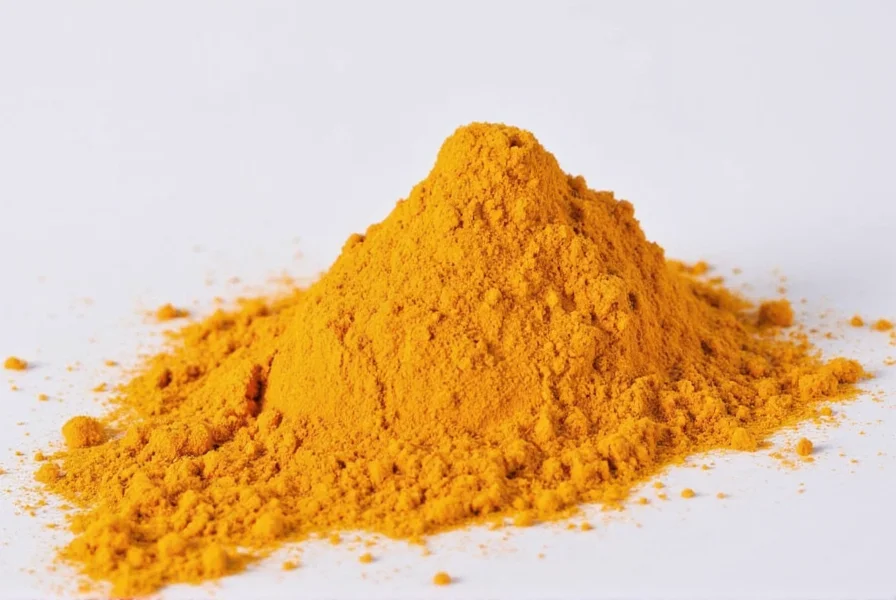
When searching for where to purchase turmeric powder, understanding your options can significantly impact both quality and value. This comprehensive guide details the most reliable purchasing channels while highlighting what to look for in a quality product.
Grocery Stores and Supermarkets
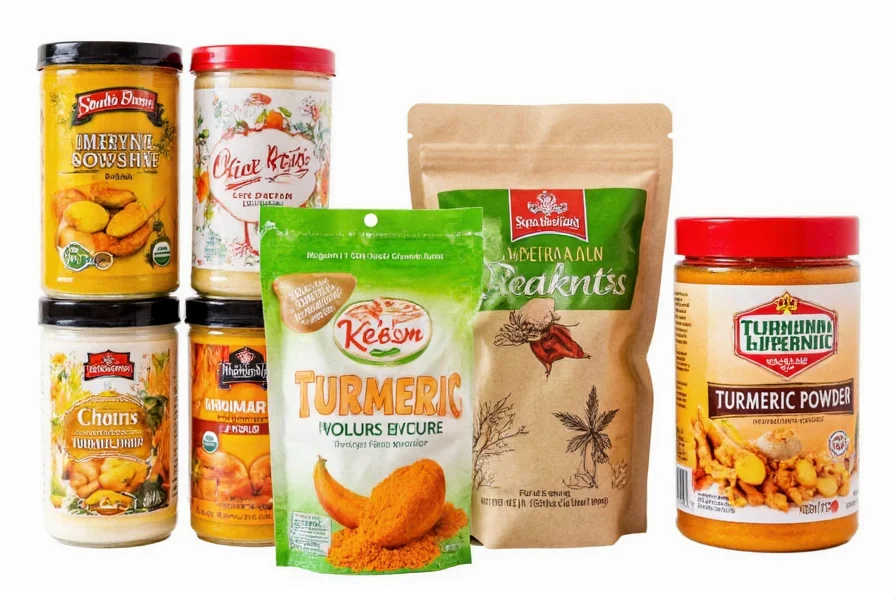
Most major grocery chains carry turmeric powder in their spice aisle. National chains like Walmart, Kroger, Albertsons, and Target typically stock popular brands such as McCormick, Simply Organic, and their store brands. These mainstream options offer convenience and consistent availability, though quality can vary.
When purchasing turmeric powder from grocery stores, check for:
- Dark glass or opaque containers (light degrades curcumin)
- "Organic" certification if that's important to you
- Harvest or "best by" dates (freshness matters)
- Ingredient list with only "turmeric" (no fillers)
Price points typically range from $3-$8 for small containers (1-2 ounces). Larger packages often provide better value per ounce but may lose potency before finishing if not stored properly.
Health Food Stores and Specialty Markets
Dedicated health food stores like Whole Foods Market, Sprouts Farmers Market, and local natural food co-ops generally offer higher quality turmeric powder options. These retailers focus on organic, non-GMO, and ethically sourced products.
Advantages of purchasing turmeric powder from health food stores include:
- Higher likelihood of organic certification
- Better quality control standards
- Staff knowledgeable about spice quality
- Often bulk options available (reducing packaging waste)
Many health food stores also carry turmeric powder in bulk bins, allowing you to purchase exactly the amount you need. Bulk pricing typically ranges from $4-$10 per ounce, depending on organic status and origin.
Online Retailers for Turmeric Powder
For those searching where to purchase turmeric powder online, several reputable platforms offer quality options with convenient delivery. The best places to buy turmeric powder online include:
| Online Retailer | Price Range (per ounce) | Special Features |
|---|---|---|
| iHerb | $2.50-$6.00 | Certified organic options, international shipping, frequent discounts |
| Thrive Market | $3.00-$7.50 | Membership required, focus on organic/non-GMO, bulk options |
| Amazon | $1.75-$8.00 | Wide variety, Prime shipping, check seller ratings carefully |
| Spice Jungle | $4.00-$9.00 | Specialty spice retailer, freshness guarantee, small batch |
When buying turmeric powder online, pay attention to:
- Seller ratings and reviews (particularly recent ones)
- "Sold by" information (purchase directly from reputable brands when possible)
- Product descriptions mentioning testing for purity and curcumin content
- Return policies in case of quality issues
Ethnic Markets and Specialty Stores
Indian, Pakistani, Middle Eastern, and Southeast Asian grocery stores often carry superior quality turmeric powder at competitive prices. These markets source directly from regions where turmeric is cultivated, often providing fresher product with higher curcumin content.
Benefits of purchasing turmeric powder from ethnic markets:
- Fresher product with more vibrant color
- Often sold in larger quantities at better value
- Possibility to find freshly ground options
- Opportunity to purchase whole turmeric root as well
When visiting these markets, don't hesitate to ask staff about the harvest date or origin of their turmeric powder. Many smaller ethnic markets will grind turmeric fresh upon request, though this requires knowing where to purchase turmeric powder in your specific area.
Specialty Spice Shops
Dedicated spice shops, whether physical stores or online retailers, represent the premium end of where to buy turmeric powder. These businesses focus exclusively on spices and often source directly from growers.
Reputable specialty spice retailers typically provide:
- Detailed information about origin and harvest
- Testing results for curcumin content
- Superior freshness (many grind to order)
- Expert advice on usage and storage
While prices are higher ($6-$12 per ounce), the quality difference can be significant for culinary or therapeutic use. Companies like The Spice House, Penzeys Spices, and Mountain Rose Herbs maintain excellent reputations for quality control.
Key Considerations When Purchasing Turmeric Powder
Regardless of where you purchase turmeric powder, these factors significantly impact quality and value:
Packaging Matters
Turmeric's active compound, curcumin, degrades when exposed to light. Always choose turmeric powder in dark glass containers or opaque packaging. Clear plastic or glass containers compromise potency over time.
Organic Certification
Conventional turmeric sometimes contains fillers or has been irradiated. Organic certification ensures no synthetic additives and typically indicates better farming practices. Look for USDA Organic or equivalent certification in your region.
Price vs. Value Analysis
The cheapest option isn't always the best value. Consider:
- Price per ounce rather than total package price
- Expected shelf life (smaller quantities may be better if you use turmeric infrequently)
- Curcumin content (higher quality often means more potent)
Regional Availability Considerations
Where to purchase turmeric powder varies significantly by location. Urban areas typically have more options including specialty stores and ethnic markets, while rural areas may rely more on major grocery chains or online purchasing.
International considerations:
- In India: Widely available in local markets, often fresher and less expensive
- In Europe: Health food stores and specialty spice shops offer the best quality
- In North America: Ethnic markets provide excellent value for high-quality turmeric
Practical Tips for First-Time Buyers
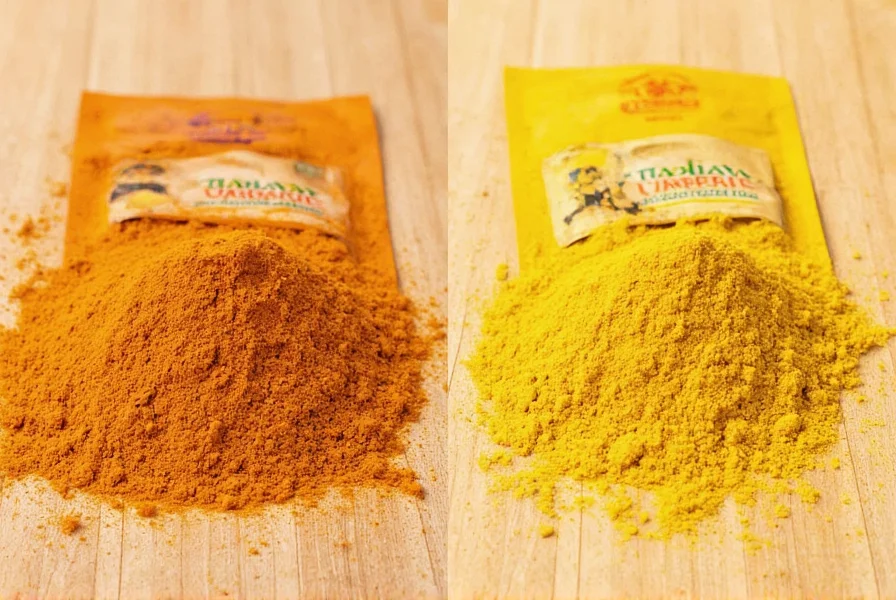
If you're new to purchasing turmeric powder, start with a small quantity to test quality and flavor. Look for vibrant orange-yellow color (dull yellow indicates age or poor quality). When stored properly in a cool, dark place, quality turmeric powder maintains potency for 1-2 years.
For culinary use, standard grocery store options often suffice. For therapeutic applications where curcumin content matters more, invest in higher quality sources from health food stores or specialty retailers.
Where can I find the freshest turmeric powder near me?
The freshest turmeric powder is typically available at ethnic markets (particularly Indian and Middle Eastern grocery stores), specialty spice shops, and health food stores with high spice turnover. Local farmers markets may also offer freshly ground turmeric during harvest season. Check for vibrant color and strong aroma as indicators of freshness.
What should I look for when buying turmeric powder online?
When purchasing turmeric powder online, check for detailed product descriptions including origin, harvest date, and curcumin content. Look for organic certification, opaque packaging, and positive recent reviews. Reputable sellers like iHerb, Thrive Market, and specialty spice retailers typically provide quality products with transparent sourcing information.
Is there a significant quality difference between grocery store turmeric and specialty store turmeric?
Yes, there can be significant quality differences. Grocery store turmeric often has lower curcumin content and may be older due to longer supply chains. Specialty store turmeric typically comes from more direct sources, has higher potency, and is fresher. For therapeutic use, the higher quality from specialty retailers is worth the price difference.
How can I verify the quality of turmeric powder before purchasing?
Check for vibrant orange-yellow color (dull yellow indicates age), strong earthy aroma, and fine texture. Quality turmeric should leave a bright yellow stain on paper. Look for organic certification and packaging that protects from light. Reputable sellers provide information about origin and testing for purity and curcumin content.
What's the best way to store turmeric powder after purchasing?
Store turmeric powder in an airtight, opaque container in a cool, dark place away from heat and moisture. Properly stored, it maintains potency for 1-2 years. Avoid clear containers as light degrades curcumin. For longest shelf life, consider dividing larger quantities into smaller portions to minimize exposure to air each time you use it.




 浙公网安备
33010002000092号
浙公网安备
33010002000092号 浙B2-20120091-4