
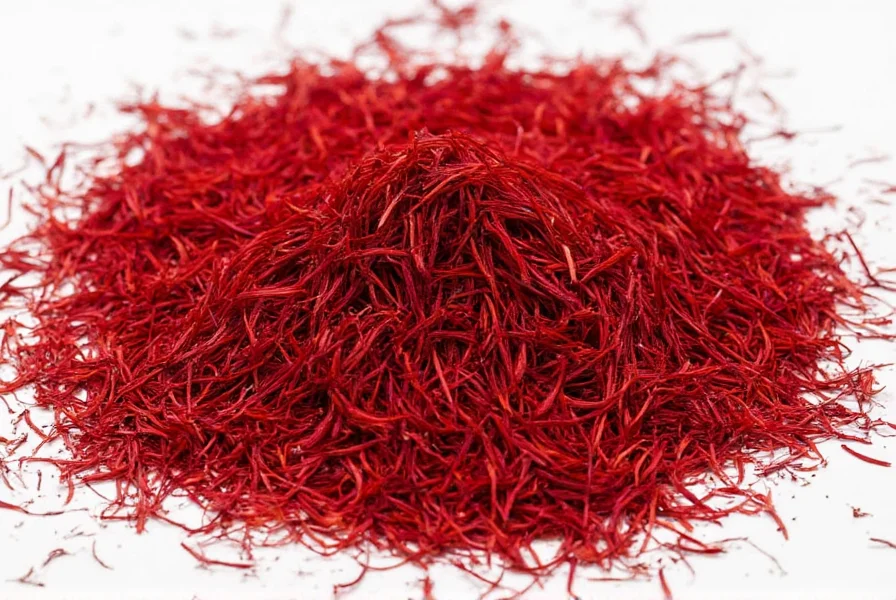
When searching for where to buy saffron spice, understanding quality indicators is crucial. Genuine saffron threads should display a deep crimson color with orange tips, release a distinctive floral aroma, and gradually tint liquids yellow when steeped. The high cost—typically $10-$20 for just 0.5 grams—reflects the labor-intensive harvesting process requiring 75,000 crocus flowers to produce one pound of saffron.
Where to Buy Saffron: Trusted Physical Retailers
For immediate purchase with the ability to inspect quality firsthand, physical stores remain an excellent option for where to find saffron spice:
- Specialty spice shops like Penzeys or The Spice House offer curated selections with knowledgeable staff who can verify authenticity
- Middle Eastern and Mediterranean markets often carry high-quality saffron imported directly from growing regions
- High-end grocery chains including Whole Foods, Wegmans, and Eataly stock verified saffron in their specialty spice sections
- Local farmers markets may feature small-batch saffron from regional growers, particularly in states like California where saffron cultivation is increasing
Online Retailers for Saffron Purchases
For those researching where to buy saffron online, several reputable options exist that provide quality assurance:
| Vendor Type | Quality Indicators | Price Range (per 0.5g) |
|---|---|---|
| Specialty spice retailers | Certified origin, harvest date, lab testing results | $12-$20 |
| Major e-commerce platforms | Verified seller badges, detailed product descriptions | $8-$25 (verify authenticity carefully) |
| Direct-from-farm producers | Transparent farming practices, harvest documentation | $10-$18 |
When purchasing saffron online, look for vendors providing specific details about the saffron's origin (Iran, Spain, or Kashmir are premium sources), harvest year, and grading (Category I being the highest quality). Reputable sellers will package saffron in airtight, opaque containers to preserve potency and include documentation verifying authenticity.
Identifying Authentic Saffron When You Buy Saffron Spice
Unfortunately, saffron ranks among the most commonly adulterated spices. When determining where to buy saffron, use these verification methods:
- The water test: Place a thread in warm water; genuine saffron gradually releases a golden-yellow color while maintaining its red structure
- Aroma check: Real saffron has a distinctive hay-like, floral fragrance—not musty or chemical
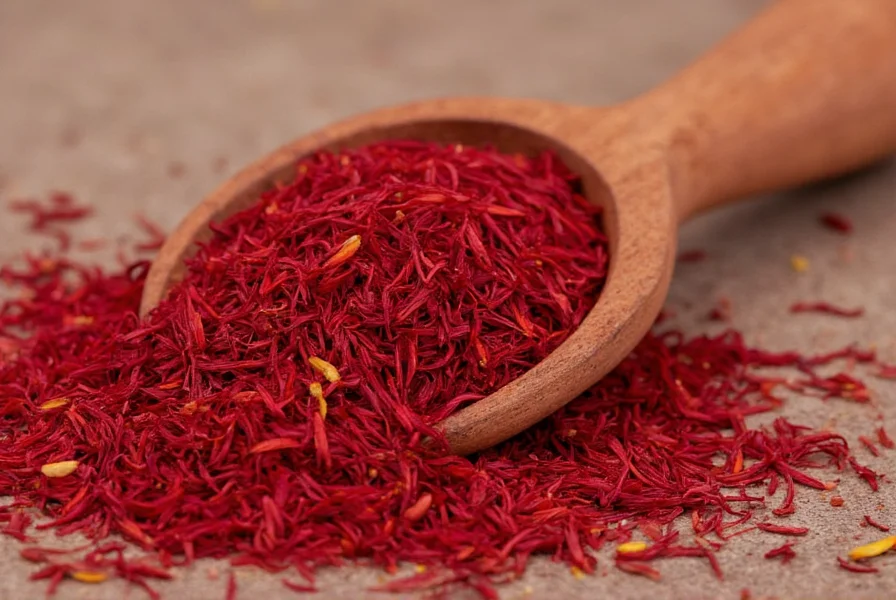
- Visual inspection: Authentic threads are trumpet-shaped with red stigmas and minimal yellow styles
- Price reality: Be wary of "bargain" saffron; extremely low prices almost always indicate fake or diluted product
Factors to Consider When Choosing Where to Purchase Saffron
Before deciding where to buy saffron spice, consider these important factors that impact your purchasing decision:
- Intended use: For occasional cooking, smaller quantities from local stores suffice; serious enthusiasts may prefer bulk purchases from specialty vendors
- Quality verification: Look for vendors providing ISO 3632 certification or other quality documentation
- Storage conditions: Properly stored saffron maintains potency for 2-3 years; avoid vendors with poor inventory turnover
- Ethical sourcing: Some premium vendors work directly with harvesters to ensure fair wages for this labor-intensive crop
When exploring where to buy saffron online versus in-store, remember that physical locations allow immediate quality assessment while online retailers often provide more detailed product information and origin tracing. For first-time buyers, purchasing a small quantity from a reputable source helps establish what quality saffron should look and smell like for future purchases.
Frequently Asked Questions About Buying Saffron
How can I verify if saffron is authentic before purchasing?
Authentic saffron threads should have a deep crimson color with orange tips, release a distinctive floral-honey aroma, and gradually tint warm water yellow without dissolving. Avoid saffron that immediately dyes water red (indicating artificial coloring) or has a musty smell. Reputable vendors provide documentation of origin and may offer sample sizes for verification.
What's a reasonable price for genuine saffron?
Expect to pay $10-$20 for 0.5 grams of high-quality saffron. Prices significantly lower than this typically indicate adulterated product. Remember that saffron is the world's most expensive spice by weight due to the 75,000+ flowers needed to produce one pound. Quality saffron should come with documentation of origin and harvest year.
Should I buy saffron powder or threads?
Always purchase saffron in thread form rather than powder. Powder is the most commonly adulterated form of saffron, often mixed with fillers like turmeric or paprika. Threads allow visual verification of quality and maintain potency longer. For recipes requiring powdered saffron, grind threads yourself using a mortar and pestle just before use.
How much saffron should a first-time buyer purchase?
Beginners should start with 0.5-1 gram (approximately $10-$20). This amount equals about 20-40 pinches, sufficient for 10-20 recipes. Saffron maintains quality for 2-3 years when stored properly in an airtight, opaque container away from light and moisture. Starting small allows you to verify quality and determine your usage rate before investing in larger quantities.
What information should quality saffron packaging include?
Authentic saffron packaging should specify the country of origin (Iran, Spain, or Kashmir being premium sources), harvest year, and quality grade (Category I being highest). Look for ISO 3632 certification numbers, harvest date, and ideally, the specific region. Proper packaging uses airtight, light-proof containers—never clear plastic bags. Reputable vendors also provide usage instructions and storage recommendations.




 浙公网安备
33010002000092号
浙公网安备
33010002000092号 浙B2-20120091-4