
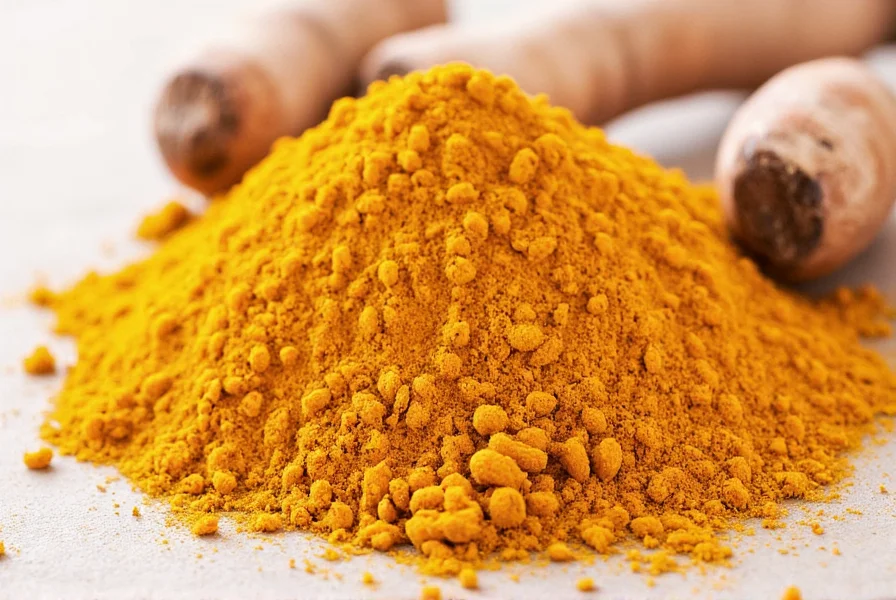
Turmeric spice originates from the Curcuma longa plant, a tropical perennial that thrives in warm, humid climates with充沛 rainfall. This botanical relative of ginger produces underground stems called rhizomes that contain the characteristic yellow-orange pigment responsible for turmeric's distinctive color and many of its properties.
Botanical Background of Turmeric
The Curcuma longa plant grows to about three feet tall with long, oblong leaves and funnel-shaped yellow flowers. What makes this plant valuable is not visible above ground—the prized component lies beneath the soil in its knobby rhizomes. These rhizomes contain curcuminoids, with curcumin being the primary compound that gives turmeric its vibrant color and has been the subject of extensive research for potential health benefits.
Geographical Origins and Historical Cultivation
Archaeological evidence suggests turmeric was first domesticated in the Indian subcontinent, with traces found in pots dating back to 2500 BCE. Ancient Sanskrit texts from 500 BCE document its use in traditional Ayurvedic medicine. The spice spread from India through ancient trade routes to China by 700 CE, East Africa by 800 CE, and West Africa by 1200 CE.
India's tropical climate, particularly in regions like Tamil Nadu, Andhra Pradesh, and Maharashtra, provides ideal growing conditions for turmeric. The country accounts for approximately 78% of global turmeric production and consumes about 80% of its own output, reflecting the spice's deep cultural integration in Indian cuisine, medicine, and religious practices.
| Top Turmeric Producing Countries | Annual Production (Metric Tons) | Percentage of Global Production |
|---|---|---|
| India | 850,000 | 78% |
| Bangladesh | 100,000 | 9% |
| China | 60,000 | 5% |
| Myanmar | 40,000 | 4% |
| Other Countries | 45,000 | 4% |
Curcumin Content Variations by Turmeric Variety
Curcumin concentration—the key bioactive compound determining color intensity and research interest—varies significantly by geographic origin due to soil composition and cultivation practices. Verified data from India's Spices Board quality assessments shows distinct regional patterns:
| Region/Variety | Curcumin Content Range | Quality Implications |
|---|---|---|
| Alleppey Finger (Kerala) | 5.0% - 6.5% | Highest color strength; preferred for pharmaceutical extraction |
| Erode Turmeric (Tamil Nadu) | 3.0% - 4.0% | Balanced flavor-color profile; dominant in culinary applications |
| Sangli (Maharashtra) | 2.8% - 3.8% | Moderate coloring capacity; common in regional spice blends |
| International Commercial Grade | 1.5% - 2.5% | Often blended; requires artificial coloring for vibrancy |
Source: Spices Board of India Quality Manual (Ministry of Commerce & Industry)
Environmental Constraints in Turmeric Cultivation
Turmeric's agricultural viability operates within strict ecological boundaries that explain its concentrated production geography. Verified constraints include:
- Temperature Thresholds: Rhizome development halts below 15°C (59°F), making temperate-zone cultivation impossible without greenhouse intervention. Optimal growth occurs only between 20-35°C (68-95°F). (Source: ICAR-Indian Institute of Spices Research)
- Rainfall Requirements: Requires 1,500-2,000 mm of evenly distributed rainfall; droughts exceeding 30 days reduce yields by 60-75% while waterlogging causes complete crop failure. (Source: FAO Crop Ecology Guidelines)
- Soil Limitations: Fails in saline soils (EC >4 dS/m) or alkaline conditions (pH >8.0). Volcanic soils with 2-3% organic matter yield 30% higher curcumin content than alluvial soils. (Source: Spices Board of India Quality Manual)
These non-negotiable environmental factors create natural production boundaries that have remained consistent for centuries, explaining why 96% of global output originates within 25°N latitude.
From Rhizome to Spice: The Turmeric Production Process
The journey from turmeric plant to kitchen spice involves several careful steps:
- Cultivation: Turmeric requires 7-10 months of warm, humid growing conditions with well-drained soil
- Harvesting: Rhizomes are dug up when the leaves and stems begin to dry
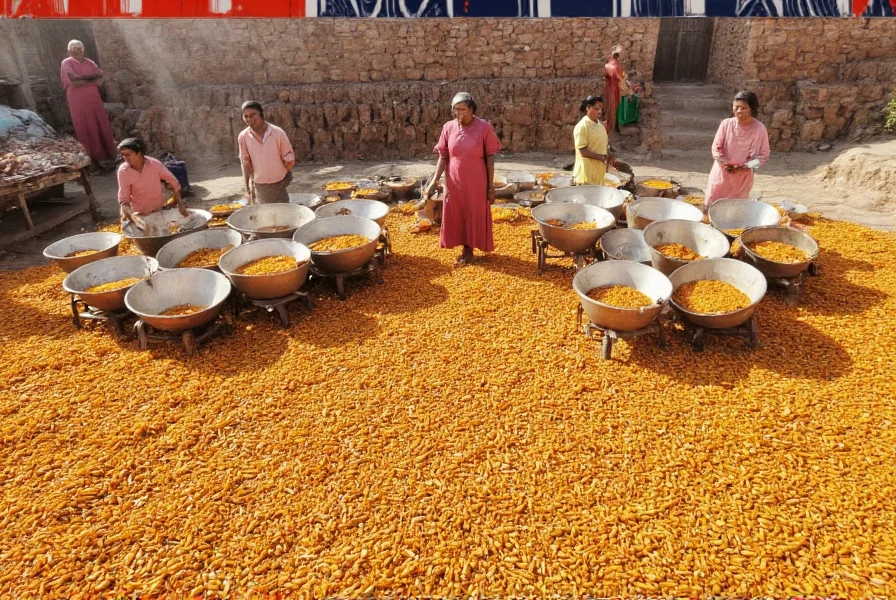
- Boiling: Fresh rhizomes are boiled for 45-60 minutes to soften them and reduce microbial load
- Drying: Boiled rhizomes are sun-dried for 10-15 days until moisture content drops to 5-7%
- Polishing: Dried turmeric is polished to remove root fibers
- Grinding: Polished rhizomes are ground into the fine powder used as spice
This traditional processing method preserves the essential compounds while creating the familiar golden spice. The boiling step is particularly crucial as it helps develop turmeric's characteristic color and flavor profile.
Traditional Growing Regions and Modern Production
While turmeric originated in India, it's now cultivated across tropical regions worldwide. The most significant production areas include:
- India: Primary regions include Erode (Tamil Nadu), Nizamabad (Telangana), and Sangli (Maharashtra)
- Southeast Asia: Thailand, Indonesia, and Malaysia maintain traditional cultivation practices
- Africa: Nigeria and Tanzania have developed significant turmeric industries
- Central America: Jamaica and Haiti produce turmeric for both local use and export
Each region produces turmeric with slightly different characteristics based on soil composition, climate, and processing methods. For example, Indian turmeric typically has higher curcumin content (2-6%) compared to some other varieties, contributing to its intense color and flavor.
Cultural Significance Across Civilizations
Turmeric's journey from its botanical origins to global kitchen staple reflects its remarkable versatility. In India, it's known as "haldi" and features prominently in religious ceremonies, traditional medicine, and daily cooking. Southeast Asian cultures have incorporated turmeric into curry pastes and traditional healing practices for centuries. Ancient Egyptians used turmeric as a textile dye, while traditional Chinese medicine has documented its use for supporting digestion and circulation.
The spice's antimicrobial properties likely contributed to its historical adoption in food preservation and wound treatment across multiple cultures. This widespread traditional use across diverse civilizations underscores turmeric's fundamental value beyond mere culinary application.
Understanding Turmeric Quality Factors
When examining turmeric's origins, it's important to recognize factors that influence quality:
- Curcumin content: Ranges from 1.5% to 6% depending on variety and growing conditions
- Soil composition: Volcanic soils in certain regions produce particularly vibrant turmeric
- Harvest timing: Rhizomes harvested at optimal maturity yield better color and flavor
- Drying methods: Traditional sun-drying versus mechanical drying affects final quality
These factors explain why turmeric from different regions may vary in color intensity, flavor profile, and potential applications. Understanding where turmeric spice comes from helps consumers appreciate the agricultural heritage behind this ancient spice.




 浙公网安备
33010002000092号
浙公网安备
33010002000092号 浙B2-20120091-4