
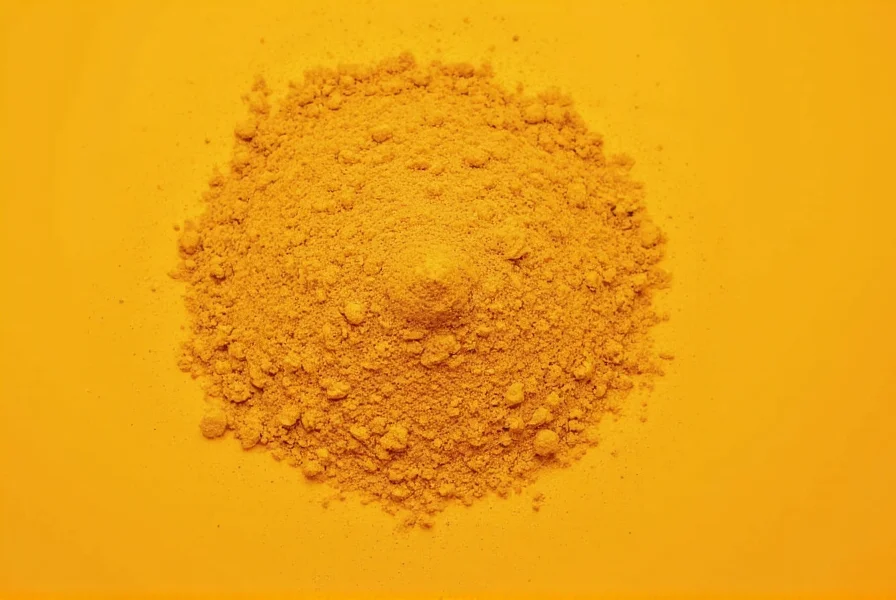
Knowing where to buy turmeric depends on what form you need and your quality expectations. This comprehensive guide covers all purchasing options with practical advice to help you find the best turmeric for your needs, whether you're using it for cooking, wellness, or both.
Physical Retail Locations for Turmeric
When searching for where do I buy turmeric locally, you have several reliable options. Mainstream supermarkets typically carry ground turmeric in the spice aisle, while health food stores often offer higher quality options with better sourcing information.
For fresh turmeric root—a less common but increasingly available option—check these physical locations:
| Store Type | Turmeric Forms Available | Quality Considerations |
|---|---|---|
| Mainstream supermarkets | Ground powder, occasionally fresh root | Check expiration dates; mainstream brands may have lower curcumin content |
| Health food stores | Organic powder, fresh root, supplements | Higher likelihood of organic certification and transparent sourcing |
| Indian/Asian markets | Fresh root, bulk powder, specialty blends | Often fresher with higher curcumin levels; check for proper storage |
| Farmer's markets | Fresh root (seasonal) | Ask growers about cultivation practices; best for immediate use |
Online Purchasing Options for Turmeric
If you're wondering where can I buy turmeric online with reliable quality, several platforms stand out. The best places to purchase turmeric powder online offer detailed product information, customer reviews, and transparent sourcing practices.
Reputable online retailers include:
- Amazon - Wide selection but requires careful vendor selection; look for "Ships from/Sold by Amazon.com" or verified brands
- iHerb - Specializes in supplements with third-party testing information
- Spice Jungle - Specialty spice retailer with detailed origin information
- Thrive Market - Organic-focused with membership model
- Mountain Rose Herbs - Known for high-quality organic spices and transparency
When buying turmeric supplements online, where to buy organic turmeric near me becomes less relevant as shipping makes quality products accessible nationwide. Always check for:
- Third-party testing certifications
- Clear labeling of curcumin content
- Return policies for unsatisfactory products
- Customer reviews discussing actual effectiveness
Different Forms of Turmeric and Where to Find Them
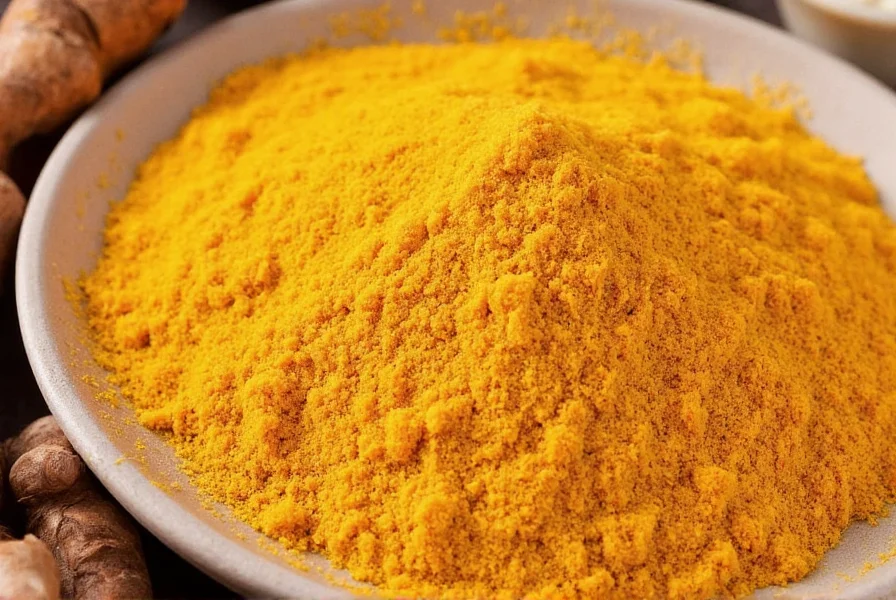
Understanding where do I buy turmeric in specific forms helps narrow your search. Turmeric comes in three primary formats, each with different availability:
Fresh Turmeric Root
Resembling ginger root but with bright orange flesh, fresh turmeric offers superior flavor and potentially higher curcumin content. You'll most reliably find fresh turmeric at:
- Asian grocery stores (particularly Indian, Thai, and Vietnamese markets)
- Larger Whole Foods locations
- Specialty produce markets
- Farmer's markets during peak season (winter through spring)
Ground Turmeric Powder
The most common form, ground turmeric appears in nearly all grocery stores. For premium quality where can I find fresh turmeric root alternatives, look for:
- Brands specifying origin (Indian, Sri Lankan, or organic)
- Powders in dark glass containers (protects from light degradation)
- Products with harvest or milling dates (fresher = more potent)
Turmeric Supplements
For concentrated curcumin intake, supplements offer standardized dosing. Reliable sources for where to buy turmeric supplements include:
- Health food stores with pharmacist or nutritionist staff
- Online retailers specializing in supplements (iHerb, Vitacost)
- Direct from manufacturer websites with transparent testing
Look for supplements containing black pepper extract (piperine) which increases curcumin absorption by up to 2,000%.
Quality Considerations When Purchasing Turmeric
Not all turmeric products deliver equal value. When determining where do I buy turmeric that's actually effective, consider these quality markers:
Label Transparency
High-quality turmeric products provide:
- Clear country of origin
- Curcumin percentage (should be 3-5% for powder, higher for extracts)
- Harvest or production date
- Organic certification when claimed
- Third-party testing information (especially for supplements)
Avoiding Adulterated Products
Unfortunately, turmeric adulteration is common. Some products contain fillers like starch, chalk, or even harmful coloring agents. To avoid low-quality products:
- Perform the water test: Pure turmeric will create a cloudy yellow solution; adulterated versions may leave sediment or unnatural colors
- Check for unusually low prices (high-quality turmeric costs $5-10 per ounce)
- Look for products with minimal ingredients (turmeric only, or turmeric plus black pepper)
Storage Tips for Maximum Potency
Where you buy turmeric matters less if you don't store it properly. To maintain potency after purchase:
- Fresh root: Store in refrigerator in a paper bag for up to 2 weeks, or freeze for longer storage
- Ground powder: Keep in airtight container away from light and heat; use within 6-12 months
- Supplements: Follow manufacturer's storage instructions; generally keep in cool, dry place
Exposure to light, air, and heat rapidly degrades curcumin content. For best results, buy smaller quantities more frequently rather than large bulk purchases unless you have proper storage.
Frequently Asked Questions
Where can I buy turmeric if I need it immediately?
For immediate needs, check your local supermarket's spice aisle where ground turmeric is almost always available. Larger chain stores like Walmart, Target, and Kroger typically stock common spice brands. If you need fresh turmeric root, try nearby Indian or Asian grocery stores which are more likely to carry it than mainstream supermarkets.
Is there a difference between turmeric from grocery stores versus health food stores?
Yes, there are notable differences. Grocery store turmeric often comes from mass producers with less transparency about origin and processing. Health food stores typically carry organic options with higher quality standards, better sourcing information, and sometimes higher curcumin content. The price difference usually reflects these quality variations, with health food store options costing 20-50% more but potentially offering better value due to superior potency.
How do I know if the turmeric I bought is good quality?
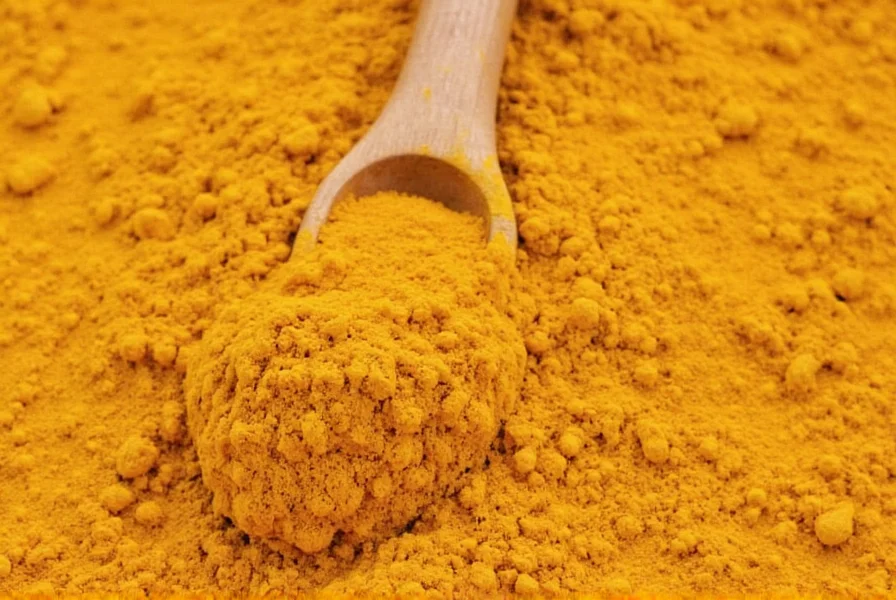
High-quality turmeric should have a vibrant yellow-orange color (not dull or faded), a distinctive earthy aroma, and a slightly bitter, peppery taste. For powder, it should feel fine and smooth, not gritty. Check the label for origin information and curcumin content. You can perform a simple water test: mix a small amount with warm water - pure turmeric creates a uniform yellow solution, while adulterated versions may leave sediment or unnatural color separation.
Where do I buy turmeric that's safe for supplements?
For turmeric supplements, purchase from reputable health food stores with knowledgeable staff or established online supplement retailers that provide third-party testing documentation. Look for products with USP verification, NSF certification, or ConsumerLab approval. Avoid extremely cheap supplements as they're more likely to contain fillers or inaccurate labeling. Reputable brands will clearly state curcumin content and include black pepper extract (piperine) for better absorption.
Can I find organic turmeric at regular grocery stores?
Yes, many mainstream grocery stores now carry organic turmeric options, though selection may be limited compared to specialty stores. Look for the USDA Organic seal on the packaging. Major chains like Kroger, Safeway, and Publix often have at least one organic turmeric option in their spice aisle. For the best selection of organic varieties, health food stores like Whole Foods or Sprouts typically offer multiple brands with detailed sourcing information.




 浙公网安备
33010002000092号
浙公网安备
33010002000092号 浙B2-20120091-4