
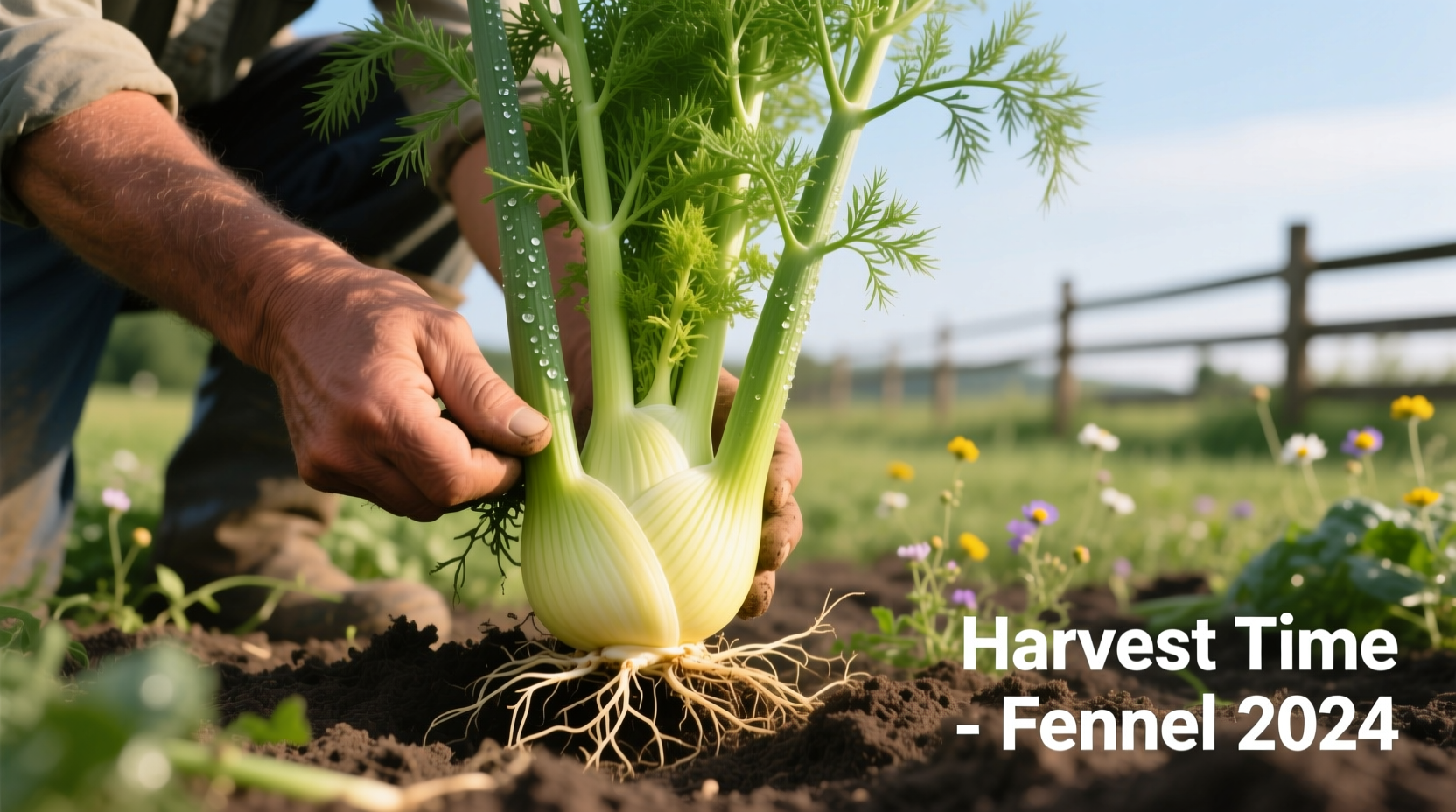
Understanding Fennel Varieties and Their Harvesting Needs
Fennel comes in two primary types that require different harvesting approaches. Bulb fennel (also called Florence fennel) produces the swollen, aromatic base used in cooking, while herb fennel grows primarily for its feathery fronds and seeds. Both types share similar growing requirements but have distinct harvest indicators.
According to the Oregon State University Extension Service, bulb fennel performs best when harvested before summer heat intensifies, as temperatures above 80°F (27°C) can cause bulbs to split or become woody. Herb fennel, being more heat-tolerant, can be harvested throughout the growing season with proper technique.
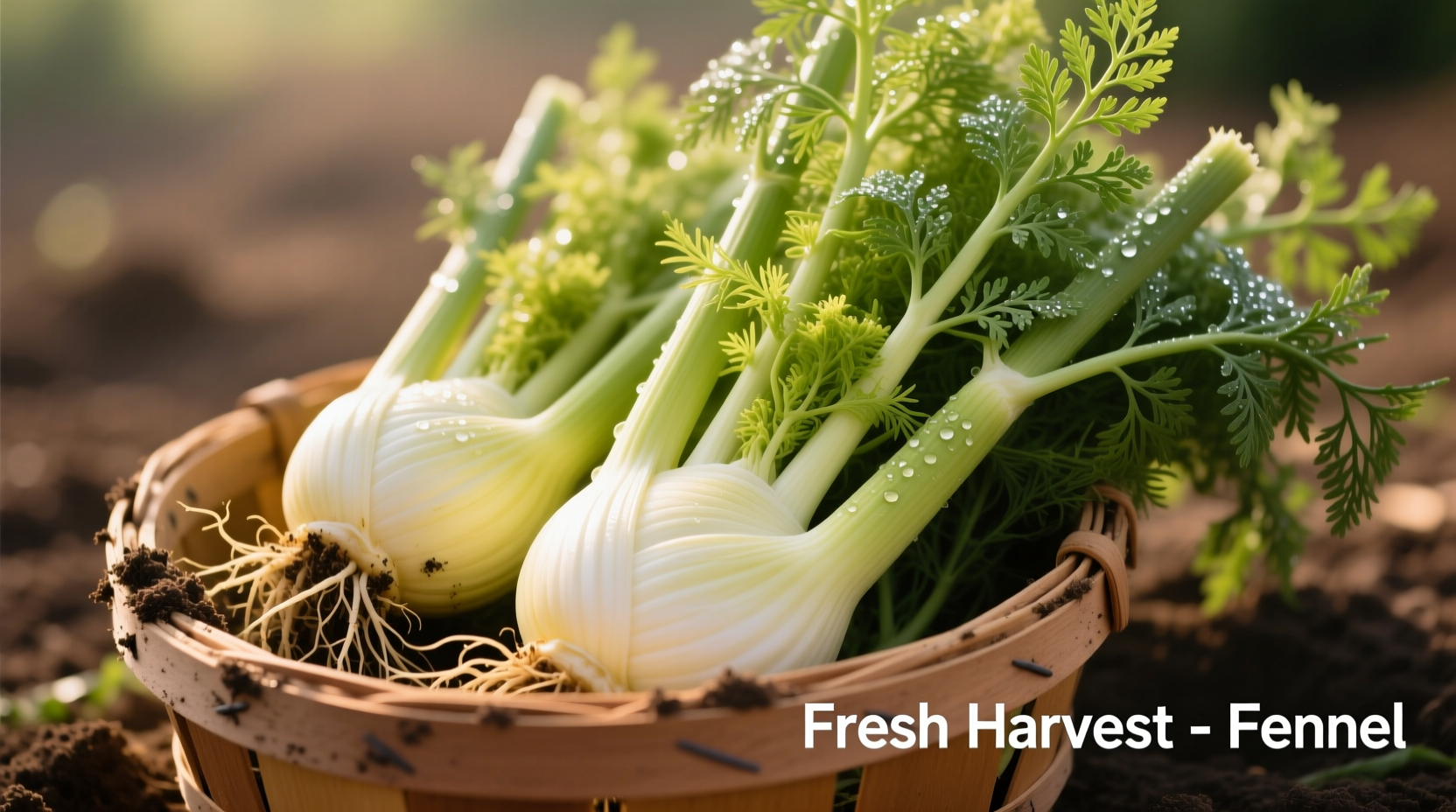
How to Determine Perfect Harvest Timing for Fennel Bulbs
Timing your fennel bulb harvest correctly ensures maximum flavor and texture. The ideal window occurs when:
- Bulbs reach 3-4 inches in diameter (about the size of a tennis ball)
- Base feels firm but yields slightly when gently squeezed
- Outer layers remain crisp and white, not starting to split
- Weather remains consistently below 80°F (27°C)
Research from the University of Minnesota Extension shows that fennel bulbs harvested too early lack full flavor development, while those left too long develop a tough, fibrous texture. In most temperate climates, this sweet spot occurs 80-100 days after planting, typically in late summer to early fall.
| Fennel Component | Optimal Harvest Time | Key Visual Indicators |
|---|---|---|
| Bulbs | 80-100 days after planting | 3-4" diameter, firm but yielding, no splitting |
| Fronds | Anytime after plant reaches 12" height | Deep green color, feathery texture |
| Seeds | When flower heads turn brown | Dry to touch, brown color, easily detach |
Step-by-Step Guide to Harvesting Fennel Bulbs
Follow these professional techniques to harvest fennel bulbs without damaging your plants:
- Choose the right time of day: Harvest in the early morning when temperatures are cooler and plants are most hydrated
- Prepare your tools: Use a sharp, clean knife or garden shears for clean cuts
- Cut properly: Slice the bulb 1-2 inches below the base where the bulb meets the roots
- Handle with care: Avoid bruising the delicate bulb surface during harvest
- Preserve the plant: For potential regrowth, leave 1-2 inches of the base in the ground
Commercial growers following USDA agricultural guidelines often use the "squeeze test" to determine readiness. Gently press the bulb - it should feel solid but have slight give. Overly hard bulbs need more time, while soft bulbs indicate overripeness.
Harvesting Fennel Fronds Throughout the Growing Season
Fennel fronds can be harvested continuously throughout the growing season with proper technique:
- Begin harvesting when plants reach at least 12 inches in height
- Take no more than one-third of the plant at any single harvest
- Cut outer stalks first, leaving the center to continue growing
- Harvest in the morning for maximum essential oil concentration
According to horticultural research from University of Wisconsin Extension, regular harvesting of fronds actually encourages bushier growth. The feathery leaves contain the highest concentration of aromatic compounds when harvested before the plant begins flowering.
Collecting and Processing Fennel Seeds
Fennel seeds develop after the plant flowers and require careful timing for optimal harvest:
- Monitor flower heads as they transition from yellow to brown
- Check seed heads regularly as they mature (typically late summer to early fall)
- Harvest when seeds turn from green to brown and feel dry to the touch
- Cut entire seed heads and place in paper bags to finish drying
- Store in airtight containers away from direct sunlight
The Royal Horticultural Society recommends harvesting fennel seeds on a dry morning before dew evaporates, as this helps prevent premature seed dispersal. Properly dried seeds will rattle when shaken in their pods, indicating readiness for collection.
Post-Harvest Handling for Maximum Freshness
Proper handling after harvest extends fennel's shelf life and preserves flavor:
- Immediate cooling: Place harvested bulbs in cool water for 15-20 minutes to crisp them up
- Cleaning: Gently remove outer layers and trim roots without cutting into the bulb
- Short-term storage: Wrap in damp paper towels and store in refrigerator crisper drawer (up to 2 weeks)
- Long-term preservation: Blanch and freeze bulbs, or dry fronds and seeds for extended storage
Avoid These Common Fennel Harvesting Mistakes
Even experienced gardeners sometimes make these critical errors:
- Harvesting bulbs too large: Bulbs over 4 inches often become tough and fibrous
- Ignoring weather conditions: Harvesting during hot afternoons reduces shelf life
- Cutting too close to the base: Prevents potential regrowth in some varieties
- Leaving bulbs in ground too long: Causes splitting and invites pests
- Harvesting seeds too early: Immature seeds lack full flavor development
According to agricultural studies, fennel bulbs harvested during temperature extremes lose up to 30% more moisture within 24 hours compared to those harvested during optimal morning hours. This significantly reduces their storage potential and culinary quality.
Troubleshooting Harvest Challenges
Address these common fennel harvesting issues:
- Bulbs splitting: Usually caused by irregular watering or delayed harvest - harvest immediately
- Bitter taste: Can result from harvesting during hot weather - try harvesting in cooler morning hours
- Pest damage: Aphids often target fennel - harvest unaffected portions and treat remaining plants
- Early bolting: In warm climates, consider growing bolt-resistant varieties for better bulb development




 浙公网安备
33010002000092号
浙公网安备
33010002000092号 浙B2-20120091-4