
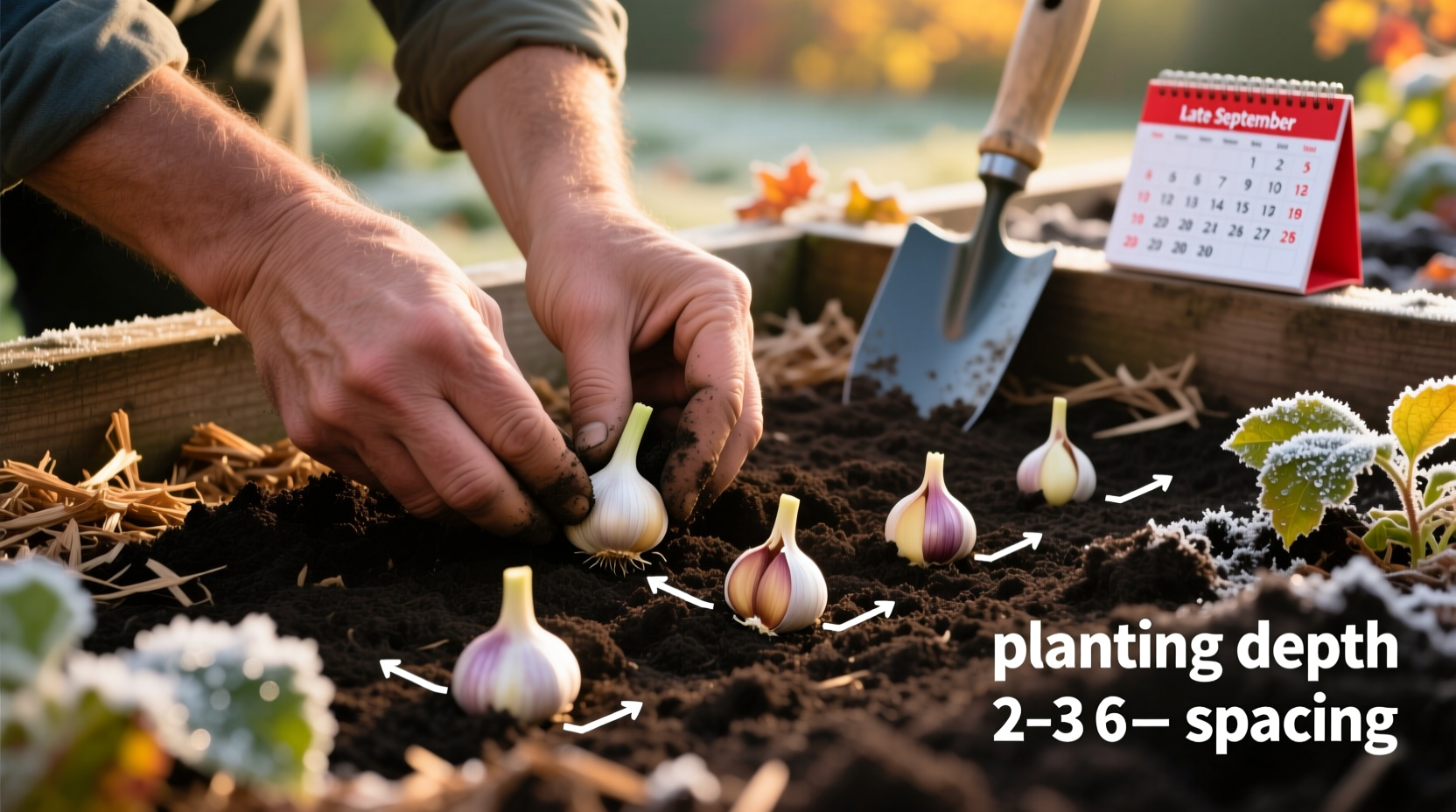
Knowing exactly when to plant garlic makes the difference between plump, flavorful bulbs and disappointing harvests. This guide delivers precise planting windows tailored to your specific climate zone, backed by agricultural research from university extension programs. You'll learn not just when to plant, but why timing matters and how to adjust for your local conditions.
Why Fall Planting Yields Superior Garlic
Gardeners often wonder why garlic requires fall planting instead of spring. The secret lies in vernalization—the biological process where cold exposure triggers bulb formation. According to research from the Oregon State University Extension Service, garlic needs 4-8 weeks of temperatures below 40°F (4°C) to develop properly sized bulbs.
Planting in fall gives cloves time to establish root systems before winter dormancy. When spring arrives, these established plants surge ahead of spring-planted garlic, resulting in larger bulbs with better flavor complexity. Spring-planted garlic typically produces smaller bulbs with fewer, irregularly sized cloves.
Planting Timeline by Climate Zone
Your USDA hardiness zone determines the optimal garlic planting window. The table below provides specific timing based on decades of agricultural research from cooperative extension programs across North America:
| USDA Hardiness Zone | First Frost Date | Optimal Planting Window | Soil Temperature Requirement |
|---|---|---|---|
| Zones 3-5 (Northern) | Early September | Mid-August to mid-September | 50-60°F (10-15°C) |
| Zones 6-7 (Midwest/Northeast) | Mid-October | September to late October | 55-65°F (13-18°C) |
| Zones 8-9 (Southern) | December-January | October to December | 60-70°F (15-21°C) |
| Zones 10+ (Deep South) | Rare frost | November to January | 65°F (18°C) or cooler |
This planting schedule comes from aggregated data across multiple university extension programs, including the University of Minnesota Extension and Utah State University Cooperative Extension. Note that microclimates within zones may require slight adjustments—gardens near large bodies of water or urban heat islands often experience milder temperatures.
Step-by-Step Planting Process
Timing alone won't guarantee success. Follow these research-backed steps for optimal results:
1. Soil Preparation (2 Weeks Before Planting)
Garlic thrives in well-drained soil rich in organic matter. Amend your planting bed with 3-4 inches of compost and work it into the top 8-12 inches of soil. The Oregon State University research shows garlic performs best in soil with pH between 6.0-7.5. Avoid fresh manure, which can cause кнопк disease.
2. Clove Selection and Planting
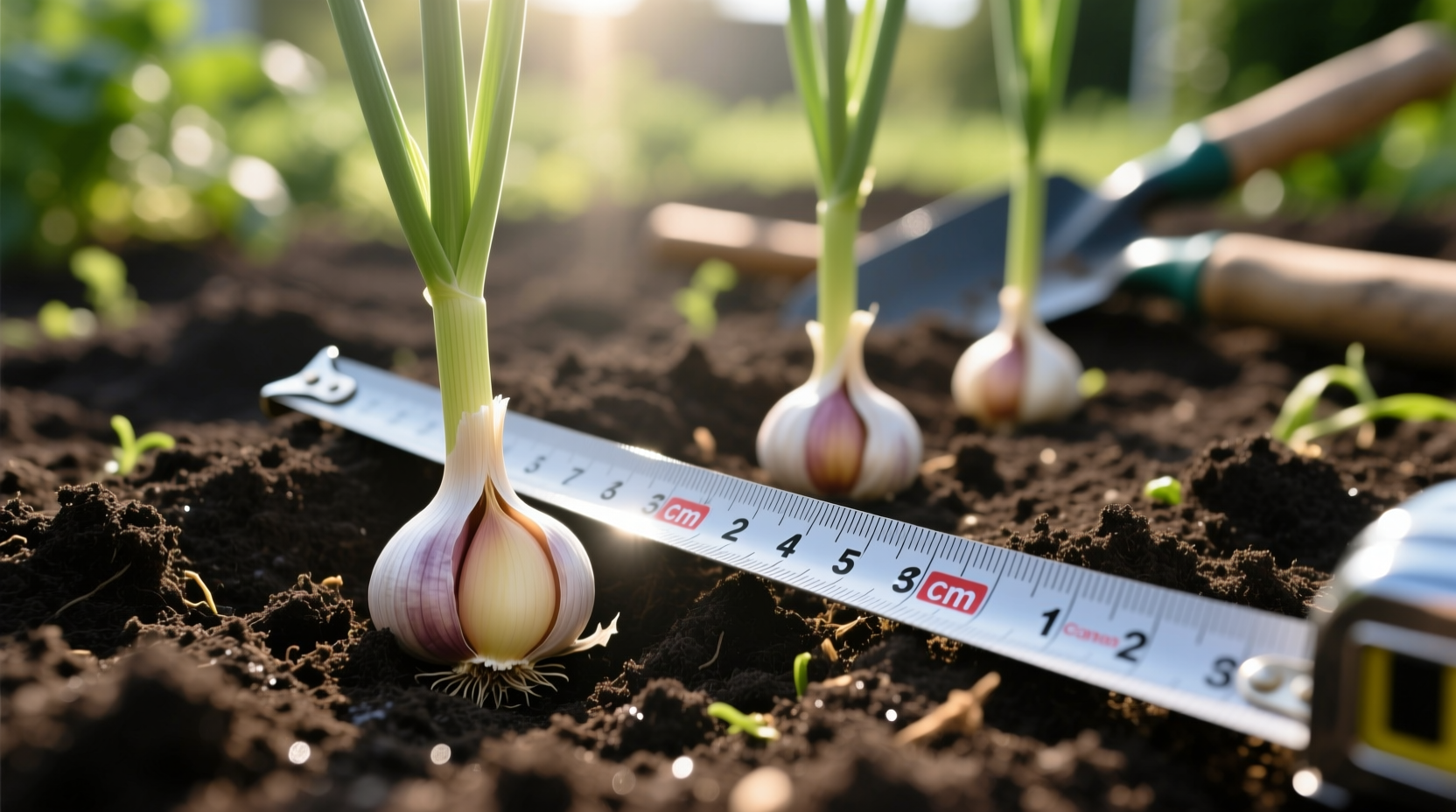
Separate bulbs into individual cloves the day before planting, keeping the papery husk intact. Plant larger cloves pointy-end up, 2 inches deep and 6 inches apart in rows 12-18 inches apart. Deeper planting (4-6 inches) is recommended in extremely cold climates for better winter protection.
3. Mulching for Winter Protection
After planting, apply 4-6 inches of straw or shredded leaves as mulch. This regulates soil temperature, prevents heaving during freeze-thaw cycles, and suppresses weeds. Research from Cornell University confirms mulched garlic shows 25% higher survival rates in zones 5 and colder.
Regional Planting Considerations
While the general rule is "plant 4-6 weeks before first frost," local conditions require nuanced adjustments:
Cold Climate Strategy (Zones 3-5)
In northern regions, plant earlier to allow sufficient root development before ground freezes. The University of Minnesota Extension recommends planting when soil temperature at 4-inch depth reaches 50°F (10°C). This typically occurs 2-3 weeks after daytime highs consistently stay below 65°F (18°C).
Warm Climate Strategy (Zones 8-10)
Gardeners in mild winter areas face the challenge of insufficient cold exposure. The University of California Cooperative Extension suggests chilling cloves in the refrigerator for 4-8 weeks before planting to simulate vernalization. Plant when soil temperatures drop below 65°F (18°C), usually between October and December.
Common Planting Mistakes to Avoid
Even experienced gardeners make these timing errors that compromise harvests:
- Planting too early - Causes excessive top growth before winter, making plants vulnerable to cold damage
- Planting too late - Prevents adequate root development, resulting in poor winter survival
- Ignoring soil temperature - Planting when soil is too warm encourages fungal diseases
- Skipping mulch in cold zones - Leads to clove death from temperature fluctuations
The National Gardening Association's multi-year study found that gardeners who planted based on soil temperature rather than calendar dates achieved 32% larger bulb yields on average.
Troubleshooting Your Garlic Crop
Even with perfect timing, issues may arise. Here's how to address common problems:
Garlic Isn't Sprouting in Spring
If cloves don't emerge by early spring, check for these causes:
- Planting depth too shallow in cold climates (cloves heaved out by frost)
- Excessive moisture causing rot (common in heavy clay soils)
- Insufficient cold exposure (particularly in warm zones)
Yellowing Leaves Mid-Season
While some yellowing is normal as harvest approaches, premature yellowing indicates:
- Nitrogen deficiency (apply balanced organic fertilizer)
- Overwatering (reduce irrigation frequency)
- White rot disease (remove affected plants immediately)
Harvest Timing Indicators
Knowing when to harvest is as crucial as planting timing. Watch for these signs:
- Lower third of leaves turn brown while upper leaves remain green
- Bulb wrappers become dry and papery
- Cloves fill out the bulb space (gently dig to check)
Most varieties mature 240-280 days after fall planting. Harvesting too early produces small bulbs; waiting too long causes cloves to separate and lose storage quality.




 浙公网安备
33010002000092号
浙公网安备
33010002000092号 浙B2-20120091-4