
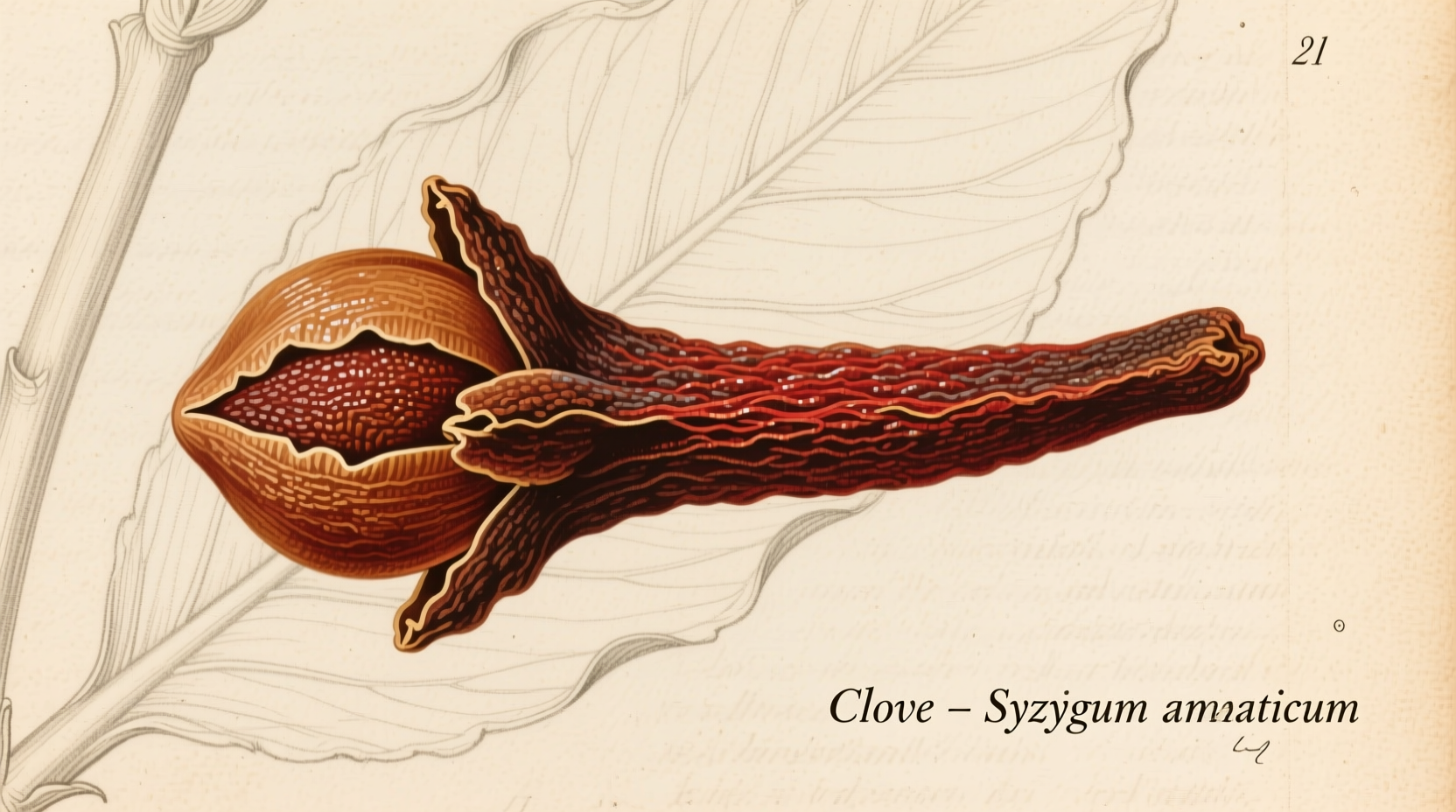
If you've ever wondered whats a clove, you're dealing with a term that has two completely different meanings in the culinary world. A clove can refer to either the aromatic dried flower bud used as a spice (Syzygium aromaticum), or a single segment of a garlic bulb. Understanding which type of clove you're working with is essential for proper cooking and recipe execution.
Understanding the Two Meanings of "Clove"
When searching for whats a clove, it's crucial to recognize there are two distinct culinary items sharing this name. This common point of confusion can lead to recipe disasters if not properly understood. Let's clarify both definitions to ensure you're using the right ingredient.
The Spice Clove: Nature's Aromatic Bud
The spice clove is the unopened flower bud of the Syzygium aromaticum tree, native to the Maluku Islands in Indonesia. These small, nail-shaped buds are harvested twice yearly when they turn from green to pink, then sun-dried until they become the familiar dark brown spice.
Historically, cloves were so valuable they were worth more than gold by weight during the spice trade era. According to the National Geographic's documentation of the spice trade, cloves were controlled by the Dutch East India Company in the 17th century, who went to extreme measures to maintain their monopoly on this precious commodity.
The Garlic Clove: Culinary Staple
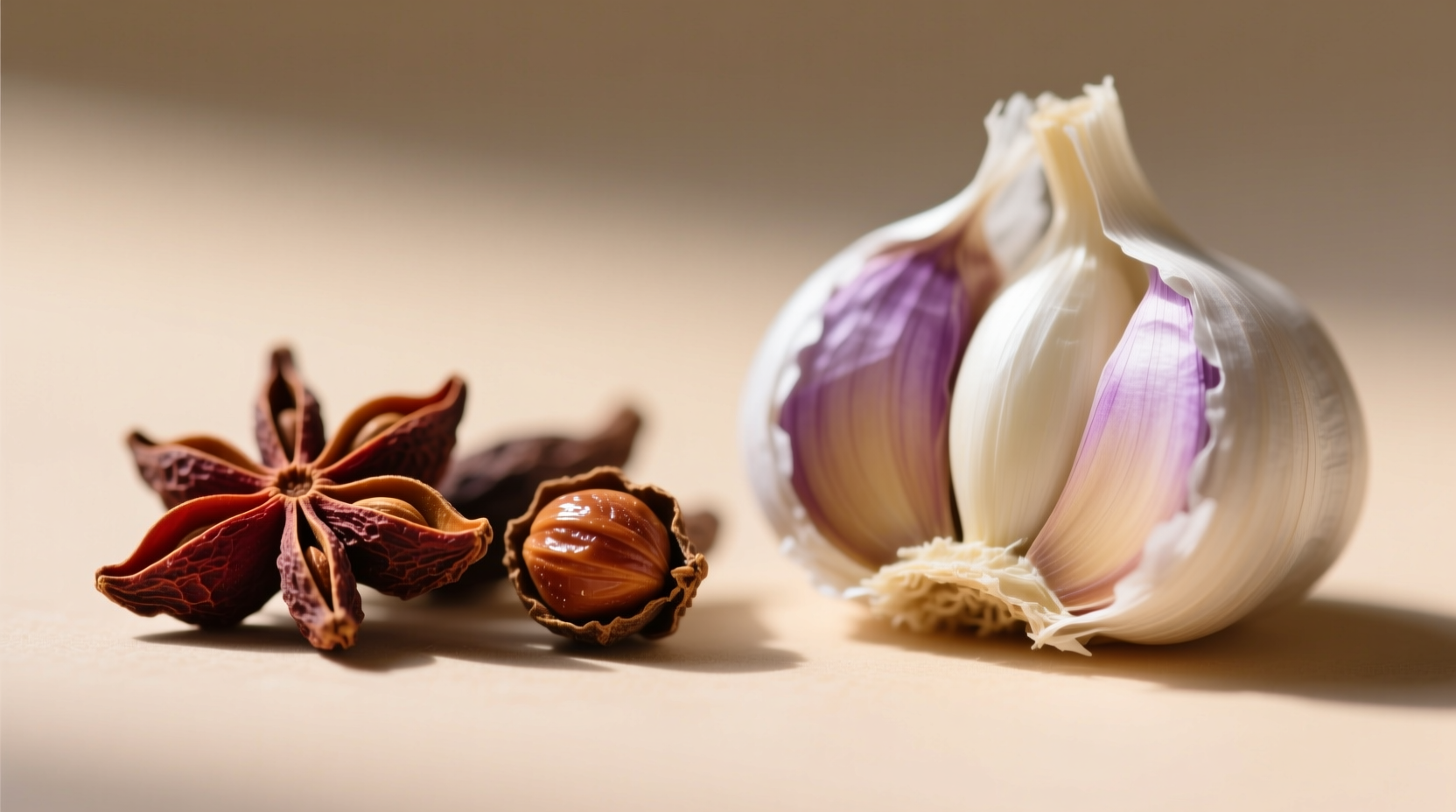
A garlic clove is one individual segment of a garlic bulb. Each bulb typically contains 10-20 cloves surrounded by a papery skin. Unlike spice cloves, garlic cloves are fleshy and have a pungent aroma that transforms when cooked.
Garlic has been used medicinally and culinarily for over 5,000 years. Ancient Egyptians fed garlic to laborers building the pyramids to increase their strength and endurance. Modern research from the National Center for Biotechnology Information confirms garlic's significant health benefits, including cardiovascular support and antimicrobial properties.
| Feature | Spice Clove | Garlic Clove |
|---|---|---|
| Botanical Origin | Flower bud of Syzygium aromaticum tree | Segment of Allium sativum bulb |
| Appearance | Small, hard, nail-shaped, dark brown | Irregular shape, fleshy, off-white |
| Flavor Profile | Warm, sweet, spicy, with numbing sensation | Pungent when raw, sweet and mellow when cooked |
| Primary Culinary Use | Whole in braises, ground in spice blends | Chopped, minced, or roasted in savory dishes |
| Storage Method | Airtight container, cool dark place (up to 1 year) | Room temperature, well-ventilated (1-2 months) |
Practical Applications in Your Kitchen
Understanding whats a clove means knowing how to properly use each type in cooking. The distinction isn't just academic—it directly impacts your dishes' flavor profiles and outcomes.
Using Spice Cloves Effectively
Spice cloves pack an intense flavor punch, so a little goes a long way. Professional chefs recommend these techniques:
- Whole cloves are ideal for slow-cooked dishes like mulled wine, ham glazes, and rice pilafs—they infuse flavor without overwhelming the dish
- Ground cloves work better in baked goods and spice blends where even distribution is important
- Always remove whole cloves before serving—biting into one can be unpleasantly intense
- For maximum flavor, lightly toast whole cloves before grinding—they release complex aromatic compounds when heated
The USDA's Food Data Central confirms that one teaspoon of ground cloves (about 2.1 grams) contains significant amounts of manganese, vitamin K, and dietary fiber. However, their strong flavor means they're typically used in small quantities rather than consumed in large amounts.
Working with Garlic Cloves
Garlic cloves require different handling techniques:
- Peeling: Place the clove under a chef's knife, press down firmly, then remove the skin
- Preparation: Mince for maximum flavor release, slice for moderate impact, or leave whole for subtle infusion
- Cooking: Add minced garlic near the end of cooking to preserve its sharp flavor, or at the beginning for a milder, sweeter taste
- Substitutions: 1 teaspoon garlic powder equals approximately 1 fresh clove, though fresh provides superior flavor
Buying and Storing Guidance
Proper selection and storage significantly impact the quality of both types of cloves:
Spice Cloves
When purchasing spice cloves, look for:
- Deep reddish-brown color (avoid pale or yellowish cloves)
- Whole buds with intact stems (indicates freshness)
- A strong, sweet aroma when crushed slightly
For optimal storage, keep whole cloves in an airtight container away from light and heat. According to food science research from the Journal of Food Composition and Analysis, properly stored whole cloves retain their essential oils and flavor compounds for up to one year, while ground cloves lose potency within 6 months.
Garlic Cloves
Select firm, plump garlic cloves without sprouts or soft spots. Avoid any with green shoots emerging, as this indicates aging and diminished flavor.
Store unpeeled garlic bulbs in a cool, dark, well-ventilated area—never in the refrigerator, which can cause sprouting. Once peeled, store cloves in olive oil in the refrigerator for up to 1 week. For long-term storage, freeze peeled cloves on a baking sheet before transferring to freezer bags.
Common Mistakes to Avoid
Confusing these two types of cloves is a frequent error among home cooks. Remember these key distinctions:
- Spice cloves are never eaten whole—they're used for flavoring and removed before serving
- Garlic cloves are always consumed as part of the dish
- Substituting one for the other will dramatically alter your recipe's flavor profile
- "One clove" in a recipe almost always refers to garlic unless specified as "spice clove"
When a recipe calls for "clove" without specification, check the context. Sweet recipes, holiday dishes, and pickling recipes typically mean spice cloves, while savory dishes usually refer to garlic cloves.




 浙公网安备
33010002000092号
浙公网安备
33010002000092号 浙B2-20120091-4