
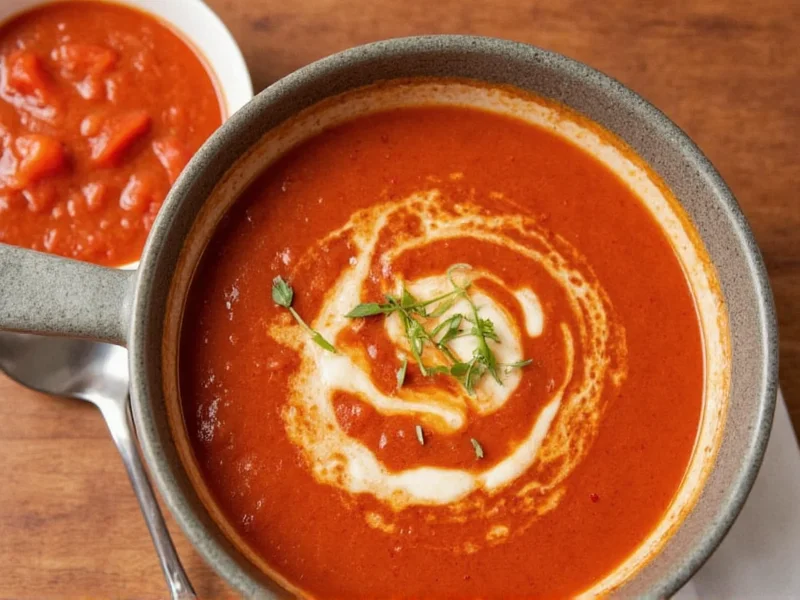
Tomato soup's vibrant acidity and rich umami flavor create a perfect canvas for complementary foods that balance its tanginess while adding textural contrast. Whether you're preparing a quick weeknight dinner or crafting an elegant meal, understanding what to eat with tomato soup transforms this humble dish into a satisfying culinary experience. The right pairing enhances the soup's natural sweetness while providing contrasting temperatures, textures, and flavors that create harmony on the palate.
Classic Pairings That Never Disappoint
When considering what to eat with tomato soup, grilled cheese sandwiches stand as the undisputed champion of pairings. This combination works because the creamy, melted cheese counteracts tomato soup's acidity, while the crispy bread provides essential textural contrast. For the best grilled cheese with tomato soup, use sourdough or artisan bread with a combination of sharp cheddar and gruyère for complex flavor notes that complement the soup's richness.
Don't limit yourself to standard preparations—elevate your grilled cheese experience by adding thin slices of tomato, a smear of pesto, or a sprinkle of fresh basil between the cheese layers. The key is maintaining the proper ratio: approximately two bites of sandwich for every spoonful of soup ensures balanced flavor progression throughout your meal.
Essential Bread and Cracker Options
Beyond the iconic grilled cheese, various bread options serve as perfect companions to tomato soup. Crusty artisan breads like baguettes or ciabatta provide excellent dipping opportunities while maintaining structural integrity. For gluten-free options with tomato soup, high-quality rice crackers or gluten-free baguettes work surprisingly well when toasted to achieve maximum crispness.
Consider these bread pairings for different occasions:
| Bread Type | Best For | Preparation Tip |
|---|---|---|
| Sourdough | Classic pairings | Lightly toast with garlic butter |
| Brioche | Elegant presentations | Make mini toast points with herb butter |
| Whole grain | Healthy sides with tomato soup | Toast until crisp but not burnt |
| Oyster crackers | Traditional American style | Sprinkle directly into soup |
Salad Combinations That Balance the Meal
When planning what to eat with tomato soup for a lighter meal, consider simple green salads that provide refreshing contrast. A basic vinaigrette-dressed salad with bitter greens like arugula or radicchio creates an ideal counterpoint to tomato soup's sweetness. The acidity in the dressing mirrors the soup's natural tartness while the crisp vegetables add necessary textural variety.
For more substantial salad pairings, try adding protein elements that complement rather than compete with the soup. Poached chicken, white beans, or chickpeas work particularly well as healthy sides with tomato soup. Avoid heavy, creamy dressings that would overwhelm the soup's delicate flavor profile—opt instead for light lemon-herb vinaigrettes that enhance rather than mask the tomato's natural brightness.
Creative Gourmet Pairings
For those seeking elevated dining experiences, consider these sophisticated pairings that transform simple tomato soup into a gourmet meal. A crostini topped with goat cheese and caramelized onions provides both sweet and tangy elements that dance beautifully with tomato soup's flavor profile. For Mediterranean-inspired pairings, serve your soup alongside a small portion of orzo salad with feta and roasted red peppers.
International variations offer exciting possibilities for what to eat with tomato soup. In Spain, tomato soup often accompanies garlic shrimp tapas, while Italian versions might pair with a simple caprese salad. Don't be afraid to experiment with global flavors—a small side of hummus with pita bread creates an unexpectedly delightful combination that satisfies both traditional and adventurous palates.
Dietary-Specific Pairing Solutions
For vegetarians and vegans exploring what to eat with tomato soup, consider protein-rich additions like white beans, lentils, or chickpeas directly in the soup. Vegan grilled cheese alternatives using dairy-free cheese on quality bread provide the classic pairing experience without animal products. When preparing gluten-free options with tomato soup, focus on naturally gluten-free accompaniments like roasted vegetables or quinoa salads.
Those managing specific dietary needs shouldn't sacrifice flavor for restriction. For low-carb pairings with tomato soup, try cauliflower toast points or cheese crisps that provide the satisfying crunch without the carbohydrates. Dairy-free alternatives like nut-based cheeses create excellent grilled 'cheese' sandwiches that maintain the essential textural contrast while accommodating dietary restrictions.
The Science Behind Perfect Pairings
Understanding why certain foods pair well with tomato soup involves basic flavor chemistry. Tomato's natural glutamates create umami richness that responds beautifully to complementary fats (like cheese) and contrasting acids (like vinegar in salad dressings). The ideal temperature differential—hot soup with warm but not hot accompaniments—creates optimal sensory experience.
Professional chefs emphasize the importance of balancing the five basic tastes when determining what to eat with tomato soup. The soup's inherent acidity needs counterbalancing with salty, sweet, and fatty elements, while bitter components (like certain greens) provide necessary complexity. This scientific approach explains why seemingly simple pairings like grilled cheese work so effectively—they address multiple taste dimensions simultaneously.
Avoiding Common Pairing Mistakes
When selecting what to eat with tomato soup, avoid overly spicy accompaniments that compete with rather than complement the soup's flavor profile. Similarly, heavy cream-based sides create textural confusion that diminishes the soup's清爽 quality. Steer clear of strongly flavored fish or seafood that would clash with tomato's distinctive taste.
Another frequent error involves temperature mismatches—serving cold sides with hot soup creates an unpleasant sensory experience. All accompaniments should be warm but not hot, allowing the soup to remain the temperature star of the meal. Additionally, avoid overly complex pairings that distract from the soup's inherent simplicity; sometimes the most basic combinations prove most satisfying.
Final Recommendations for Perfect Pairings
For everyday meals, stick with the classic grilled cheese and tomato soup combination, but elevate it with quality ingredients. On special occasions, experiment with gourmet pairings that showcase seasonal ingredients. When serving tomato soup to guests, consider offering multiple small pairing options to create a tasting experience that highlights different flavor dimensions.
Remember that the best pairings for tomato soup ultimately depend on your personal taste preferences and the specific recipe you're using. A rich, creamy tomato bisque might pair better with lighter accompaniments, while a rustic, chunky tomato vegetable soup can handle more substantial sides. Trust your palate and don't be afraid to experiment—sometimes the most unexpected combinations become your new favorites.
Frequently Asked Questions
What is the most traditional side dish for tomato soup?
The most traditional side dish for tomato soup is undoubtedly grilled cheese sandwiches, particularly those made with American or cheddar cheese on white or sourdough bread. This classic American combination became popular during the Great Depression when both ingredients were affordable and readily available. The creamy, melted cheese perfectly balances tomato soup's acidity while the crispy bread provides essential textural contrast that enhances the overall eating experience.
Can I pair tomato soup with salad, and if so, what type works best?
Yes, tomato soup pairs exceptionally well with simple green salads, particularly those featuring bitter greens like arugula, radicchio, or endive that contrast beautifully with the soup's sweetness. A light vinaigrette dressing complements rather than competes with the soup's flavor profile. For heartier meal options, consider adding protein elements like white beans, chickpeas, or grilled chicken to your salad, which create satisfying healthy sides with tomato soup without overwhelming its delicate flavor.
What are good gluten-free options to serve with tomato soup?
Excellent gluten-free options to serve with tomato soup include roasted vegetable sticks (carrots, zucchini, bell peppers), rice crackers, cheese crisps, or gluten-free bread toasted until crisp. For more substantial pairings, consider a quinoa salad with roasted vegetables or a simple side of grilled chicken with herbs. When selecting gluten-free options with tomato soup, focus on naturally gluten-free accompaniments that provide textural contrast similar to traditional bread pairings, ensuring your meal remains satisfying and balanced.
How can I make my tomato soup pairing more gourmet?
To create gourmet pairings for tomato soup, focus on elevated versions of classic combinations. Try a crostini topped with goat cheese and caramelized onions, or serve your soup alongside a small portion of orzo salad with feta and roasted red peppers. For an elegant presentation, consider mini grilled cheese sandwiches using artisan bread and premium cheeses like gruyère or aged white cheddar. Adding fresh herb garnishes to both the soup and its accompaniment creates visual appeal while enhancing flavor complexity. The key to gourmet pairings is using high-quality ingredients and thoughtful presentation that transforms simple elements into a sophisticated dining experience.




 浙公网安备
33010002000092号
浙公网安备
33010002000092号 浙B2-20120091-4