
Understanding Food Poisoning Recovery Nutrition
Experiencing food poisoning leaves you feeling weak, dehydrated, and uncertain about what you can safely eat. Making the right food choices during recovery can significantly shorten your illness duration and prevent complications. According to the Centers for Disease Control and Prevention, proper hydration and strategic food reintroduction are critical components of recovery from foodborne illness.
Immediate Actions During the Acute Phase
During the first 12-24 hours when vomiting and diarrhea are most severe, your digestive system needs complete rest. This isn't the time to force food consumption, but rather to focus on hydration:
- Take small sips of clear fluids every 5-10 minutes (water, broth, or oral rehydration solutions)
- Avoid gulping large amounts that could trigger more vomiting
- Let your stomach settle for 1-2 hours after vomiting before attempting liquids
- Start with ice chips if even sips cause nausea
The Mayo Clinic emphasizes that dehydration poses the greatest risk during food poisoning, making fluid replacement the top priority before considering solid foods.
Recovery Timeline: What to Eat When
Recovery from food poisoning typically follows a predictable pattern. Understanding this timeline helps you introduce appropriate foods at the right stage:
| Recovery Stage | Timeframe | Recommended Foods | What to Avoid |
|---|---|---|---|
| Acute Phase | First 12-24 hours | Clear liquids only (water, broth, oral rehydration solutions) | All solid foods, dairy, caffeine, alcohol |
| Initial Recovery | 24-48 hours after vomiting stops | BRAT diet (bananas, rice, applesauce, toast), boiled potatoes, saltine crackers | Fatty foods, spicy dishes, raw vegetables, acidic foods |
| Continued Recovery | Days 3-4 | Oatmeal, boiled chicken, steamed carrots, plain yogurt (if tolerated) | High-fiber foods, dairy (except yogurt), processed foods |
| Near Full Recovery | Days 5-7 | Gradual return to normal diet with lean proteins, cooked vegetables, whole grains | Raw seafood, undercooked meats, unpasteurized dairy |
Hydration Strategies That Actually Work
Proper hydration remains critical throughout your recovery. Water alone isn't sufficient because vomiting and diarrhea deplete essential electrolytes. The National Institute of Diabetes and Digestive and Kidney Diseases recommends oral rehydration solutions containing the right balance of sodium, potassium, and glucose.
Effective hydration options include:
- Commercial oral rehydration solutions (like Pedialyte)
- Homemade rehydration drink (1 quart water + 6 tsp sugar + 1/2 tsp salt)
- Clear broths with added electrolytes
- Weak herbal teas (chamomile, ginger)
Monitor your hydration status by checking urine color - pale yellow indicates proper hydration, while dark yellow suggests you need more fluids.
Foods That Help Settle Your Stomach
As your digestive system begins recovering, certain foods provide nutrition without aggravating your sensitive stomach:
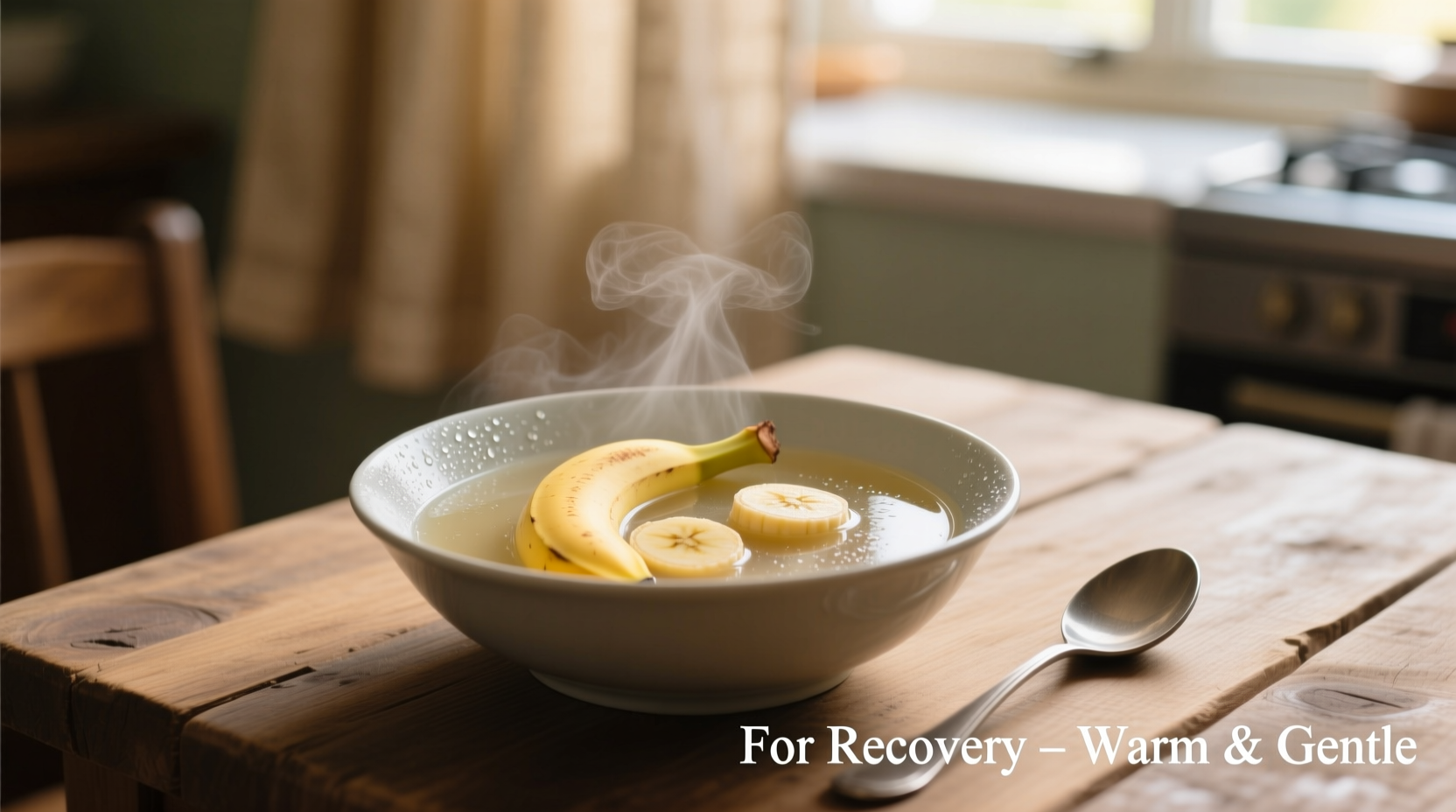
Bananas
Bananas offer potassium to replace what's lost through vomiting and diarrhea while being gentle on your stomach. They also contain pectin, a soluble fiber that helps firm stools.
White Rice
Plain white rice provides easily digestible carbohydrates without fiber that might irritate your recovering digestive tract. Avoid brown rice during initial recovery as its higher fiber content may cause discomfort.
Applesauce
Unsweetened applesauce contains pectin that helps bind loose stools. Choose plain varieties without added sugars or spices.
Toast
Dry toast made from white bread offers bland carbohydrates. Avoid butter or spreads initially, as fats can trigger nausea during early recovery.
Common Mistakes to Avoid During Recovery
Many people unknowingly prolong their recovery by making these common dietary mistakes:
- Returning to normal diet too quickly - Jumping straight to regular meals can restart symptoms
- Consuming dairy too soon - Temporary lactose intolerance often develops during food poisoning
- Drinking only water - Fails to replace lost electrolytes, potentially causing imbalances
- Eating spicy or fatty foods - These irritate the already inflamed digestive tract
- Consuming caffeine or alcohol - Both are diuretics that worsen dehydration
When to Seek Medical Attention
While most food poisoning cases resolve within 1-3 days with proper home care, certain symptoms require immediate medical attention according to the U.S. Food and Drug Administration:
- Signs of severe dehydration (dizziness, minimal urination, dry mouth)
- Blood in vomit or stool
- High fever (over 102°F or 39°C)
- Symptoms lasting longer than 3 days without improvement
- Neurological symptoms like blurred vision or muscle weakness
Infants, elderly individuals, pregnant women, and those with compromised immune systems should consult a healthcare provider sooner rather than later when experiencing food poisoning symptoms.
Preventing Future Episodes
Understanding proper food handling can reduce your risk of future food poisoning incidents. The CDC reports that proper handwashing could prevent nearly 30% of foodborne illness cases. Always follow these food safety practices:
- Wash hands thoroughly before handling food
- Cook meats to proper internal temperatures
- Prevent cross-contamination between raw and cooked foods
- Refrigerate perishable foods within 2 hours (1 hour if above 90°F)
- Wash fruits and vegetables before consumption




 浙公网安备
33010002000092号
浙公网安备
33010002000092号 浙B2-20120091-4